
Last updated November 23, 2026
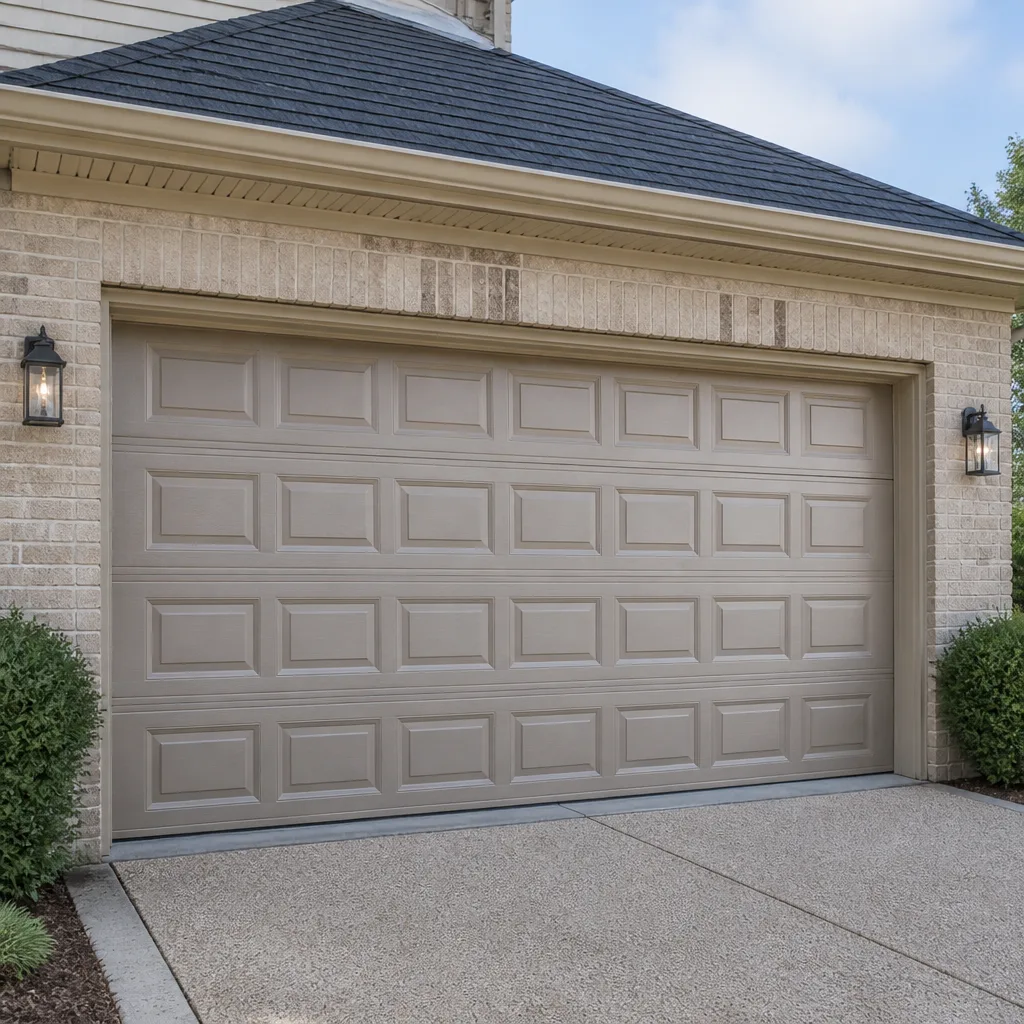 Raised-panel steel
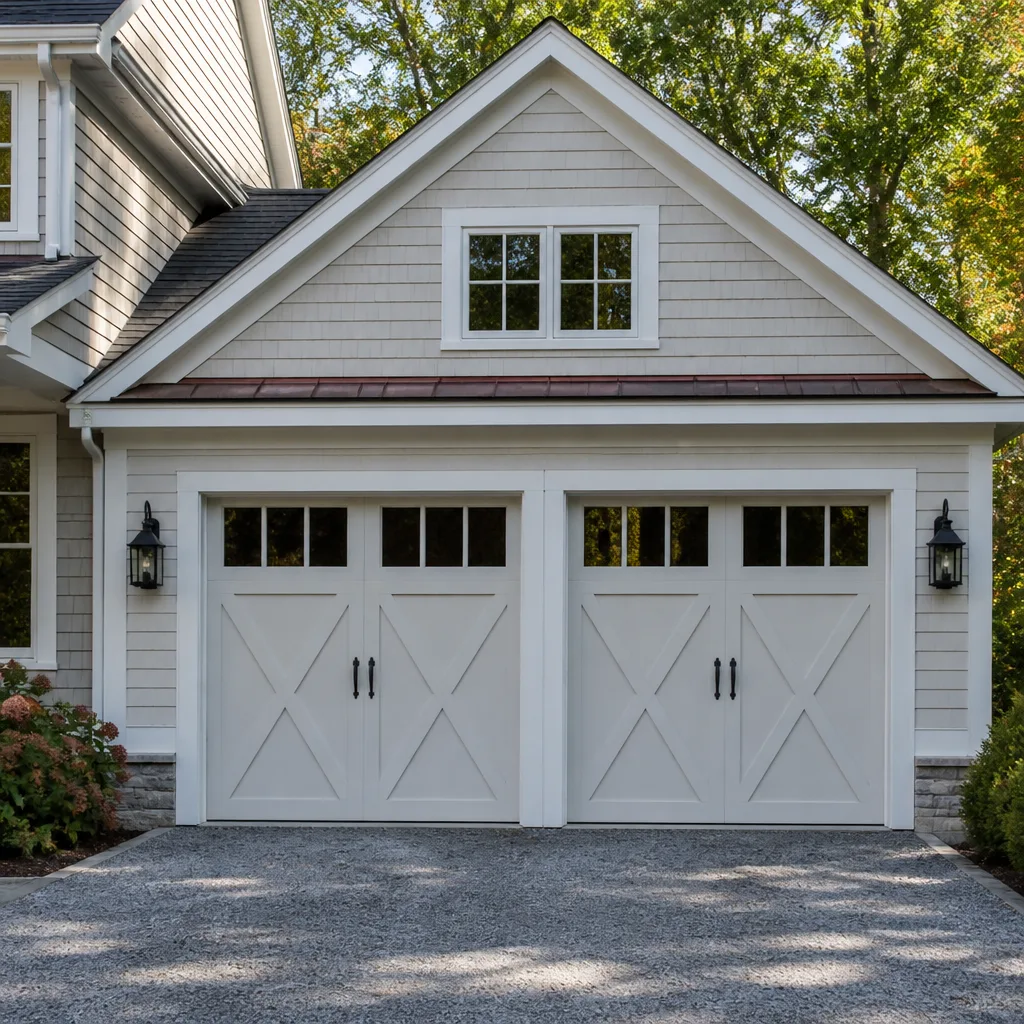 Carriage house
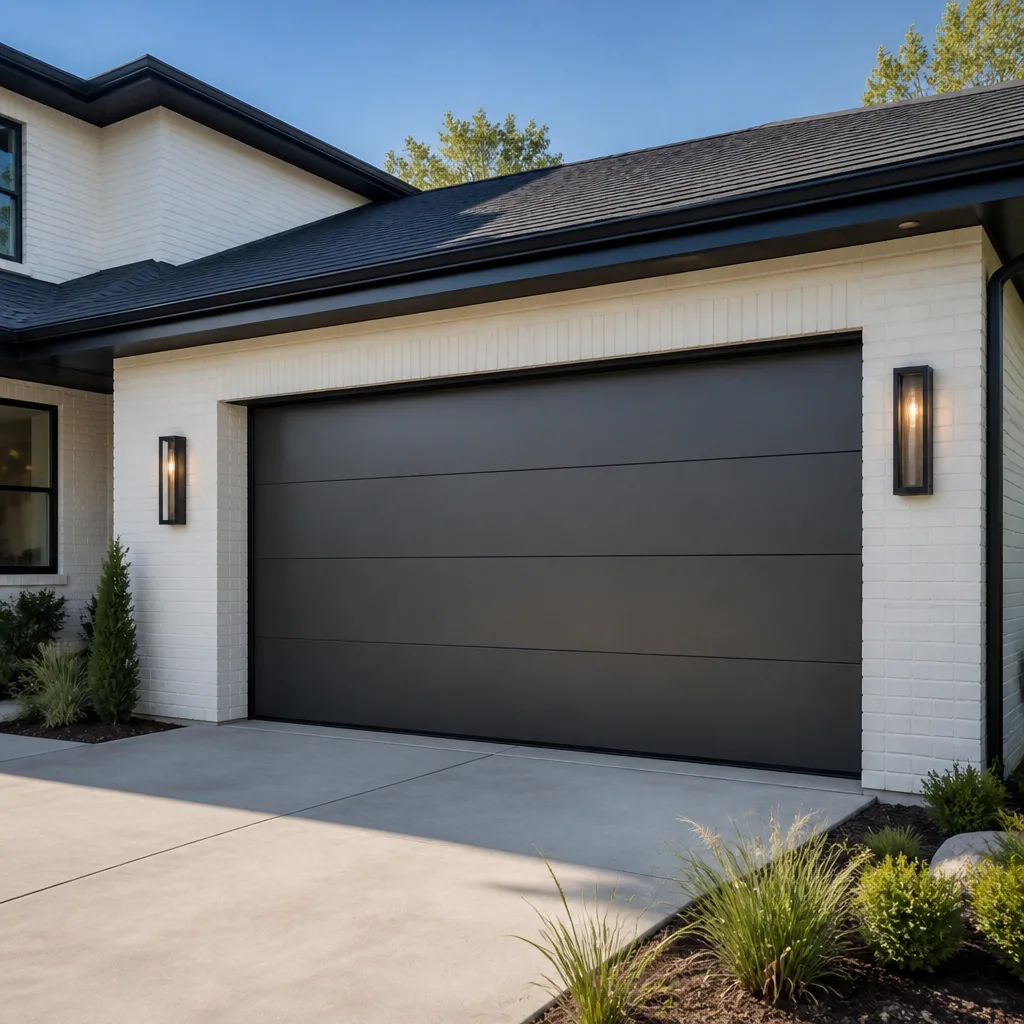 Modern flush
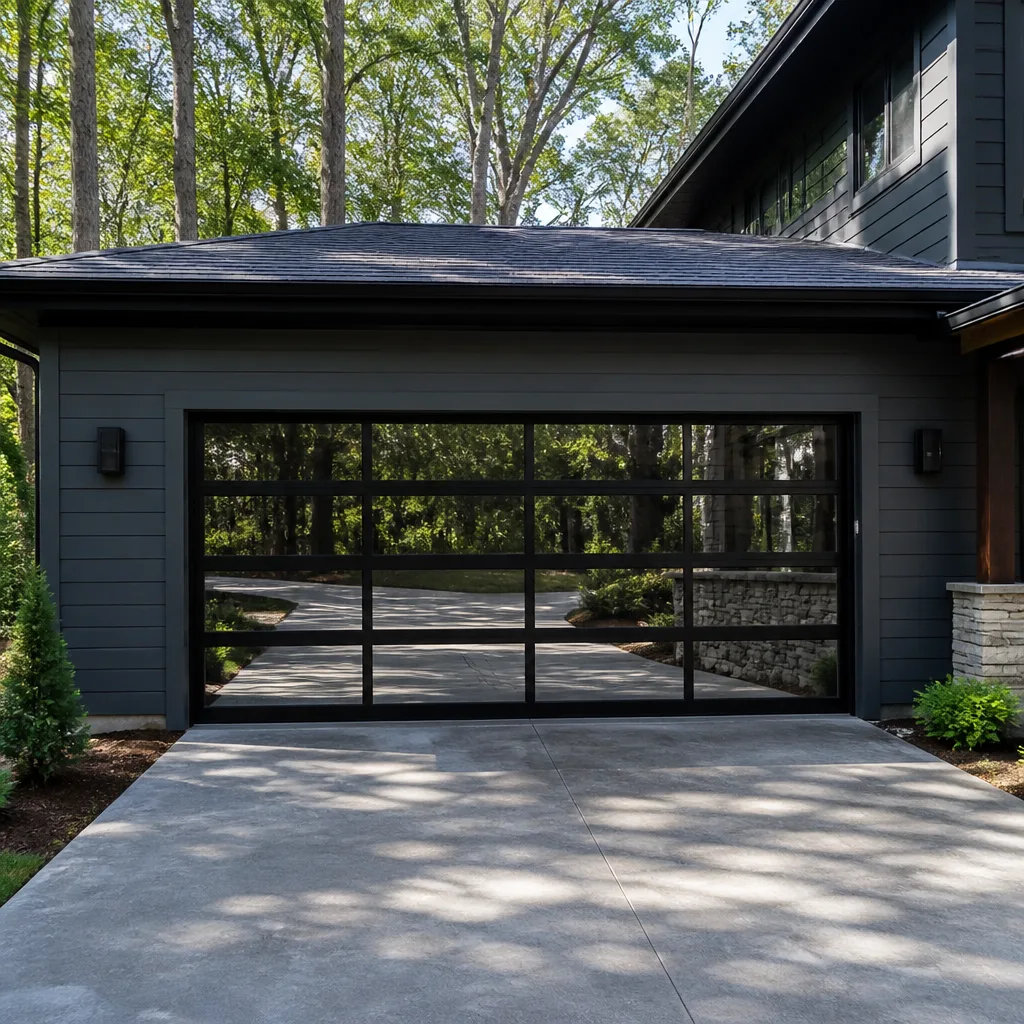 Full-view glass
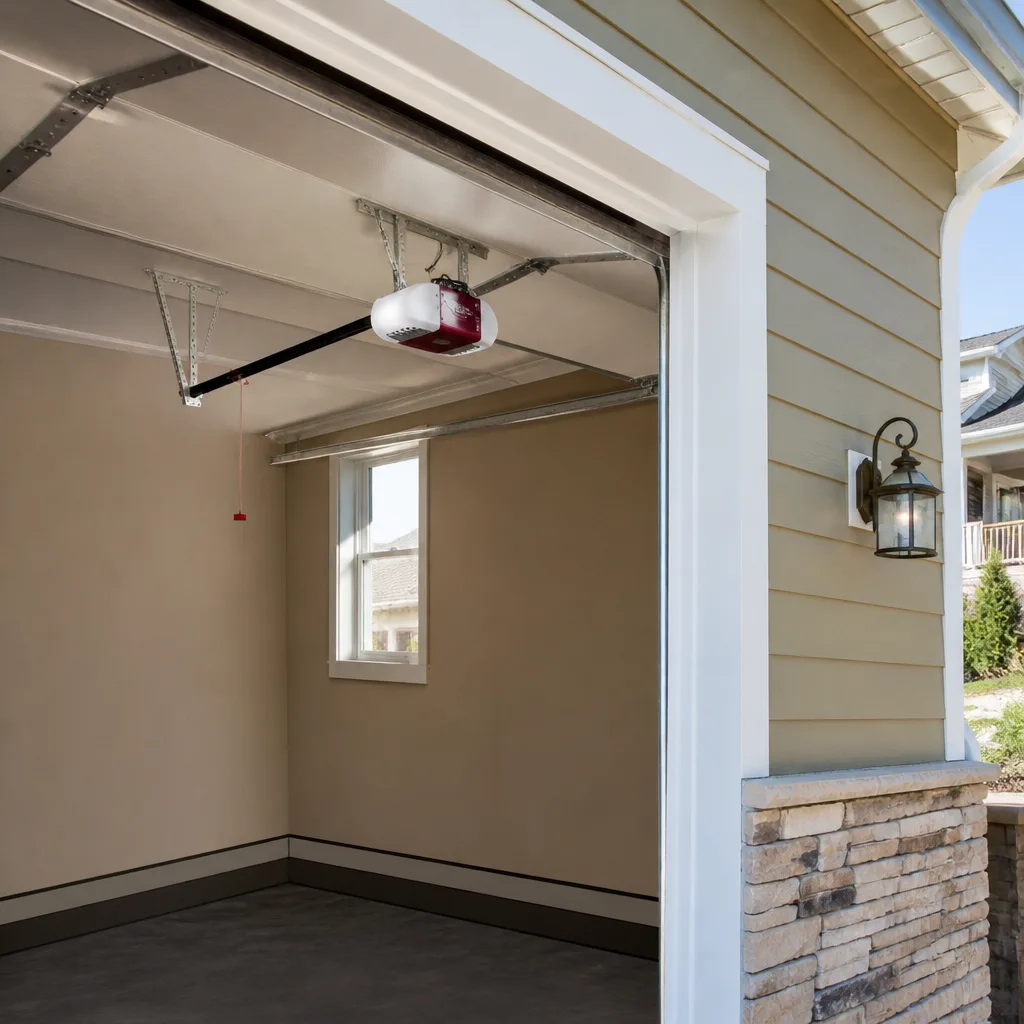 LiftMaster openers
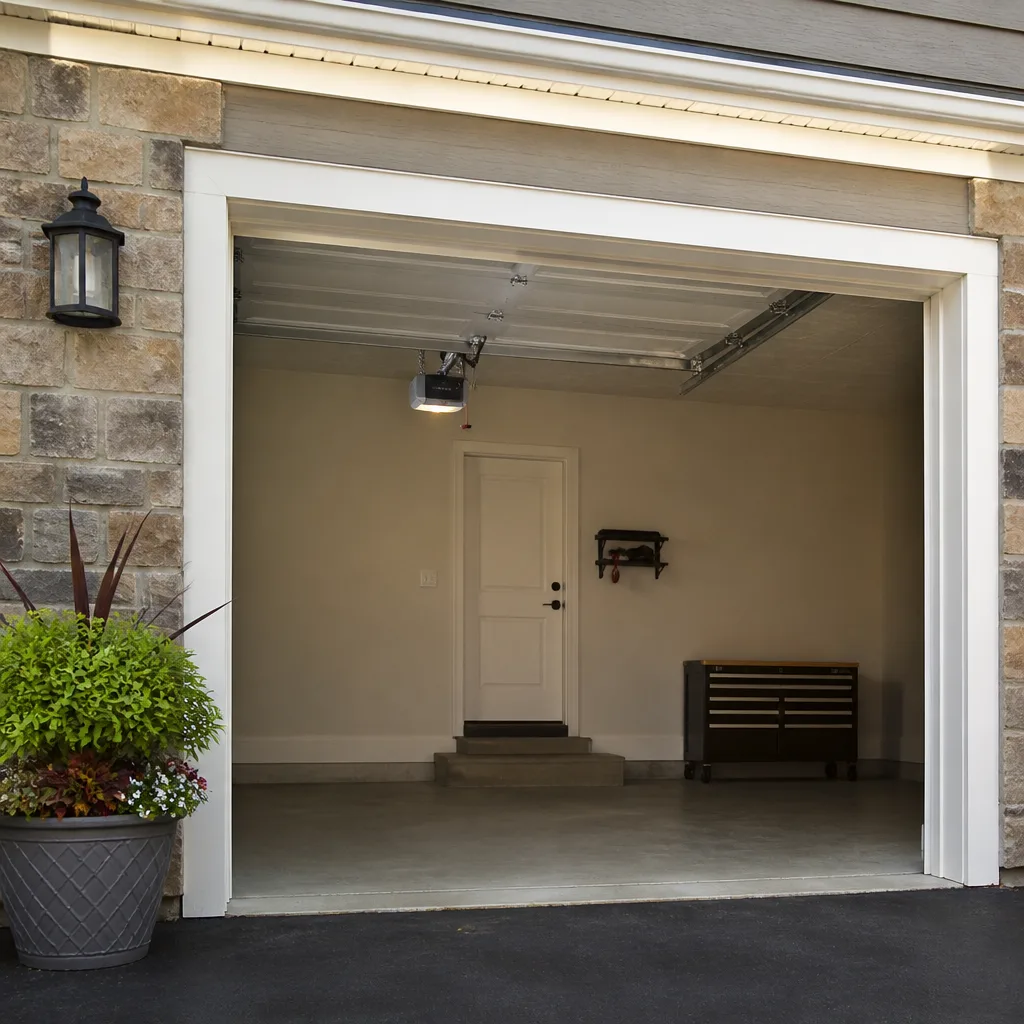 Chamberlain openers
Full 25-point door and opener safety check with every visit - springs, cables, rollers, tracks, and your LiftMaster or Chamberlain opener included
You get a price before we start. It does not change when the pro arrives.
Get your free estimateGarage Door Repair Maintenance Checklist for Arlington Heights Homeowners
The most common call we get in Arlington Heights after the first hard freeze of the season is a torsion spring that snapped overnight. What surprises people is that the failure was usually visible weeks earlier. A small gap in the coil, a patch of rust pitting, a door that lifts unevenly on one side: these are the quiet warnings a ten-minute inspection would have caught. This guide is built around the failures that actually happen here, sorted into what you can safely check yourself and what belongs to a trained technician. You’ll get a seasonal calendar, a five-minute safety test, and clear lines about where DIY stops. Read it twice a year, not once. That’s how it’s designed.
Quick Answer
An effective garage door maintenance checklist in Arlington Heights means inspecting springs, cables, rollers, and tracks twice a year, lubricating the right components with the right products, and testing balance and auto-reverse monthly. Homeowners can safely handle visual inspections, lubrication, and safety tests. Spring, cable, and torsion hardware work belongs to a trained technician. The two seasons that matter most here are late fall, before the first hard freeze, and early spring, after a winter of freeze-thaw cycles.
Styles & brands we work with
- Raised-panel steel
- Carriage house
- Modern flush
- Full-view glass
- LiftMaster openers
- Chamberlain openers
Table of Contents
- Why Arlington Heights Weather Wears Doors Differently
- The Fall Inspection: What to Check Before the First Freeze
- Spotting Spring Fatigue Without Touching Anything
- Lubrication: The Right Product on the Right Part
- The Five-Minute Safety Test You Can Do Monthly
- What You Can Safely Do vs. What Belongs to a Technician
- A Seasonal Service Calendar for Arlington Heights
- Opener Care for Chamberlain, Genie, and Other Systems
Why Arlington Heights Weather Wears Doors Differently
Arlington Heights sits in a climate with real seasonal swings: hot, humid summers and cold winters with repeated freeze-thaw cycles. That combination is hard on garage door hardware. In summer, humidity works its way into the moving parts, and metal that isn’t protected starts to corrode. In winter, temperatures drop below freezing and stay there for stretches, then warm up enough to thaw, then drop again. Each cycle expands and contracts the steel in springs, tracks, and hinges a little. Over a season, those small movements add up.
The freeze-thaw pattern is the part most generic checklists miss. A checklist written for a mild climate doesn’t account for the way a torsion spring behaves after a hard cold snap, or the way a steel track can shift slightly when the ground beneath a garage slab heaves. In Arlington Heights, both are routine. That’s why the inspection timing in this guide is built around the local calendar rather than a vague “check it annually” recommendation.
Homes here also tend to have attached garages that face the weather, and many are older construction where original hardware has been replaced once or twice already. A door that’s been through a few Illinois winters doesn’t fail the way a new one does. It fails at the fatigue points: the spring coils, the cable ends, the roller bearings. Knowing where to look is most of the battle.
One more local factor: garages here are used year-round, not just for parking. They’re workshops, storage, and the main entry point for a lot of households. A door that gets cycled six or eight times a day wears faster than one that opens twice. If your door is your daily entrance, plan on inspecting more often, not less.
The Fall Inspection: What to Check Before the First Freeze
Late October through early November is the single most important inspection window in Arlington Heights. A door that’s in good shape going into the first hard freeze is far less likely to strand you in January. Here’s the sequence we recommend, and it takes about twenty minutes.
- Look at the door from inside, with it closed. Check that the panels sit level and the gaps at the sides are even. A door that’s sagging on one side is telling you something.
- Inspect the springs visually. Don’t touch them. Look for gaps in the coil, rust, or uneven spacing. More on this in the next section.
- Check the cables. Look for fraying, kinks, or slack. Cables under tension are dangerous, so inspect with your eyes only.
- Wipe down and lubricate the moving parts (the safe ones). See the lubrication section for exactly which products go where.
- Test the balance and auto-reverse. The five-minute test below covers this.
- Clear the tracks of debris and check that the door rollers move freely by hand with the door closed and the opener disengaged.
- Look at the weather seal at the bottom. A cracked or flattened seal lets cold air and moisture in, which accelerates wear on the hardware inside.
If everything checks out, you’re set for winter. If something looks off, get it looked at before the cold settles in. A technician can flag a fatigued spring now rather than after it fails.
Spotting Spring Fatigue Without Touching Anything
Torsion springs are the most dangerous component on a garage door. They store enormous energy, and when one fails it releases all of it at once. That’s why we want homeowners to learn the visual signs of fatigue and never to handle, adjust, or wind a spring themselves. The good news: you can spot most failures coming without touching anything.
Here’s what to look for, standing safely back:
- Gaps in the coil. A healthy torsion spring has coils that sit close together. If you see a visible gap opening up in the middle of the coil, the spring is stretching and losing tension. That’s a fatigue sign.
- Rust pitting. Small rust spots on the spring surface mean moisture has gotten in. Pitting weakens the steel and is a common precursor to failure, especially after a wet summer.
- Uneven lift. Open the door and watch it. If one side rises faster than the other, or the door looks crooked on the way up, the springs may be out of balance.
- A door that won’t stay up. If you lift the door halfway by hand (with the opener disengaged) and it won’t hold, the springs aren’t carrying the weight they should.
- Loud bangs or creaking. A single loud bang from the garage is often a spring letting go. Creaking during operation is a warning sign.
If you see any of these, stop operating the door and call a technician. This is exactly the kind of repair our garage door spring repair service is built around. The right part for your specific system matters here, and a fatigued spring is not something to nurse along through a winter.
Lubrication: The Right Product on the Right Part
Lubrication is one of the easiest things a homeowner can do, and one of the most commonly botched. The mistake we see most often is grabbing a can of WD-40 and spraying everything. WD-40 is a solvent and water displacer, not a lubricant. On springs, it strips away the protective coating and attracts dust, which turns into grit and accelerates wear. It makes the problem worse, not better.
Here’s the right product for each component:
- Springs: A dedicated garage door spring lubricant or a lithium grease spray designed for the purpose. Never WD-40.
- Rollers: A silicone-based lubricant or a light grease. Don’t use heavy oil, which collects dirt.
- Hinges: A few drops of light machine oil or a lithium grease spray.
- Tracks: Nothing. Tracks should stay clean and dry. Lubricating tracks attracts dust and causes the rollers to slide instead of roll.
- Opener chain or screw: Follow the manufacturer’s recommendation. Chamberlain and Genie systems usually specify a particular grease for the rail.
Apply lubricant sparingly. A light coat is enough. More isn’t better; excess grease collects dust and grit. Wipe off any overspray. Do this once in the fall and once in the spring, and you’ll notice the door runs quieter and smoother.
One caveat: don’t lubricate a spring you suspect is failing. If you’ve spotted a gap or rust pitting, get it looked at first. Lubricating a fatigued spring doesn’t fix it and can mask the warning sign.
The Five-Minute Safety Test You Can Do Monthly
This test takes five minutes and uses tools you already have in the garage: your hands and a two-by-four or a small box. Do it once a month. It’s the single best way to catch a safety problem before it becomes a repair.
- Disengage the opener. Pull the release handle so the door moves by hand.
- Lift the door halfway and let go. A balanced door should stay roughly where you left it. If it slams down or drifts up, the springs are out of balance and need attention.
- Re-engage the opener and close the door. Place a two-by-four flat on the ground under the middle of the door.
- Press the close button. The door should reverse when it contacts the board. If it doesn’t, the auto-reverse is failing. That’s a safety problem.
- Test the photo-eye reversal. With the door open, wave your foot or a box in front of the safety sensors at the bottom of the tracks. The door should reverse. If the sensors are misaligned or dirty, clean them and test again.
- Check the travel limits. The door should close fully and seal against the ground, and open fully without straining. If it stops short or reverses on its own, the limits need adjusting.
If any of these fail, the door needs professional attention. Auto-reverse is a genuine safety feature, and a door that ignores an obstacle is a real hazard. For opener-related issues, our garage door opener repair service covers the full range of systems, from older Chamberlain units to newer smart openers.
What You Can Safely Do vs. What Belongs to a Technician
Knowing where the line is matters. Some tasks are genuinely safe for a homeowner. Others are dangerous enough that even experienced techs use specialized tools and caution. Here’s the line, with the reason behind each.
Safe homeowner tasks
- Visual inspection of springs, cables, rollers, tracks, and panels
- Lubricating springs, rollers, and hinges with the right products
- Cleaning tracks with a damp cloth
- Testing balance, auto-reverse, and photo-eye function
- Replacing the bottom weather seal
- Changing opener remote batteries and reprogramming remotes
Technician-only tasks
- Any work on torsion or extension springs, including adjustment and replacement
- Any work on the lift cables
- Adjusting or replacing the torsion bar, drums, or bearing plates
- Aligning a bent track or replacing track sections
- Opening the opener motor housing or replacing the drive gear
- Replacing hinges, rollers, or panels when the door is under tension
The reason springs and cables belong to a tech isn’t about skill. It’s about stored energy. A torsion spring under tension holds enough force to cause serious injury, and the tools required to safely wind and unwind one aren’t household items. When a trained technician handles it, the risk gets managed properly. When something goes wrong, there’s no partial version. That’s why this is one of the most commonly botched DIY repairs out there, and why it’s worth calling a professional. Our garage door repair service handles everything from a snapped spring to a bent panel, and our technicians have up to 13 years of experience with these systems. Diagnosed and fixed, not just reset.
A Seasonal Service Calendar for Arlington Heights
Generic checklists say “annually.” That’s not enough in a climate with real winters and humid summers. Here’s a realistic calendar built around Arlington Heights conditions.
- Late October (before the first hard freeze): Full inspection, lubrication, and safety test. This is the most important check of the year. Springs and hardware are about to go through the coldest part of the season, and a fatigued spring spotted now is one that gets replaced before it snaps.
- January (mid-winter check): A quick visual inspection and a repeated safety test. Cold weather is when springs are most likely to fail, and the door gets used more in winter.
- Late March or early April (after thaw): Post-winter inspection. Check for rust, track shifts from frost heave, and worn seals. Lubricate again and re-test balance.
- Monthly: The five-minute safety test. It’s quick enough to actually do.
If your door is older or gets heavy daily use, add an inspection in mid-summer. Humidity is highest then, and that’s when rust forms fastest on springs and hinges. You don’t need a full tune-up; a visual check and a fresh coat of lubricant on the right parts is enough.
This calendar isn’t a rule. It’s a starting point. The best schedule is one you’ll actually follow, and a twice-a-year inspection with monthly safety tests covers most of what matters in Arlington Heights.
Opener Care for Chamberlain, Genie, and Other Systems
Your garage door opener is a motorized system with its own maintenance needs, and it’s often the part homeowners ignore until it fails. The good news: a few habits keep most openers running for years. We work on the major brands regularly, including Chamberlain, Genie, LiftMaster, Craftsman, and Raynor, and the care is similar across all of them.
What to do:
- Keep the opener housing clean and clear. Don’t stack boxes against it. Motors need airflow.
- Lubricate the chain or screw drive per the manufacturer’s recommendation. Chamberlain units often specify a particular grease. Genie screw drives generally need less frequent attention than chain drives.
- Check the safety sensors monthly. Wipe the lenses and make sure the LEDs are solid, not blinking. A misaligned sensor is the most common reason a door won’t close.
- Replace remote batteries as needed and reprogram when you move in or change codes.
- Listen for changes. A new grinding or rattling sound means something’s wearing. Catching it early avoids a bigger repair.
What not to do: don’t open the motor housing unless you’re trained. The drive gear and capacitor are inside, and there’s real risk in there. If the opener is straining, reversing for no reason, or failing to lift the door, get it checked. That’s what our garage door opener repair service is for, and it covers Chamberlain, Genie, and the rest. We handle everything from the spring to the smart opener, so you don’t need to coordinate two contractors.
If your opener is old enough that parts are getting hard to source, or if it’s been repaired a few times already, a replacement might be the better answer. Either way, an honest assessment is free.
Common Mistakes to Avoid
- Spraying WD-40 on springs. It’s a solvent, not a lubricant, and it strips away the protective coating and attracts grit. Use a proper spring lubricant and leave WD-40 for the hinges at most.
- Ignoring the fall inspection because the door “still works.” A fatigued spring often works fine right up until the moment it doesn’t. In Arlington Heights, that moment tends to be the first hard freeze. The fix is a spring replacement; the alternative is a door stuck shut in the cold.
- Trying to adjust or replace a torsion spring. This is the most dangerous repair on the entire door and the one most often attempted by homeowners. The stored energy in a wound spring is not something to learn on. Call a tech.
- Lubricating the tracks. Tracks should stay dry. Grease on tracks collects dust and causes rollers to slide instead of roll, which wears them out faster.
- Skipping the auto-reverse test. It’s the most important safety feature on your door. If it fails and you don’t notice, the door can close on a person or a pet with only the opener’s force as a warning.
- Assuming the opener is the problem when the door is the problem. A door that reverses or strains could have a failing spring, a bent track, or worn rollers, not a bad opener. Diagnosing correctly saves money.
- Waiting until the door stops working entirely. A snapped spring usually means the door is stuck, either open or shut, and you’re calling for emergency service instead of a scheduled repair. The maintenance checklist exists to prevent exactly that.
See the difference
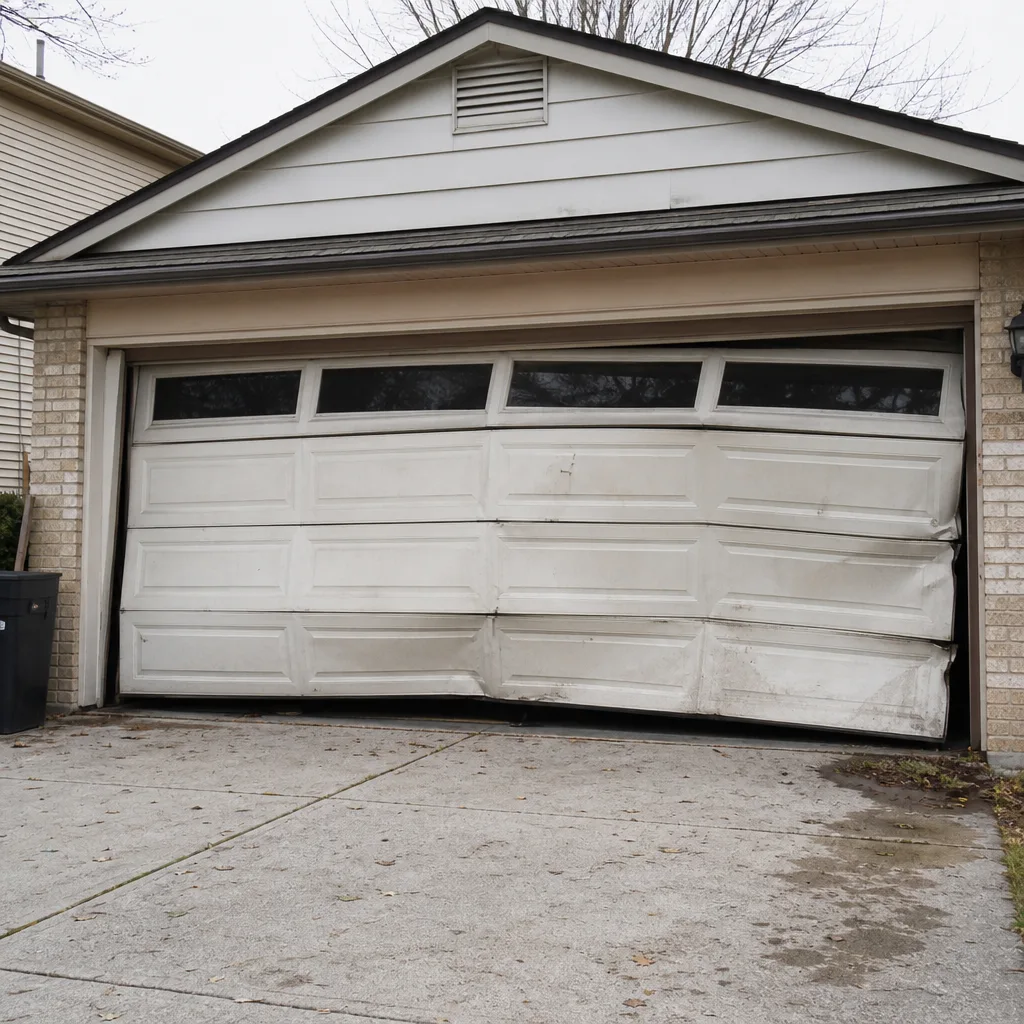 Before
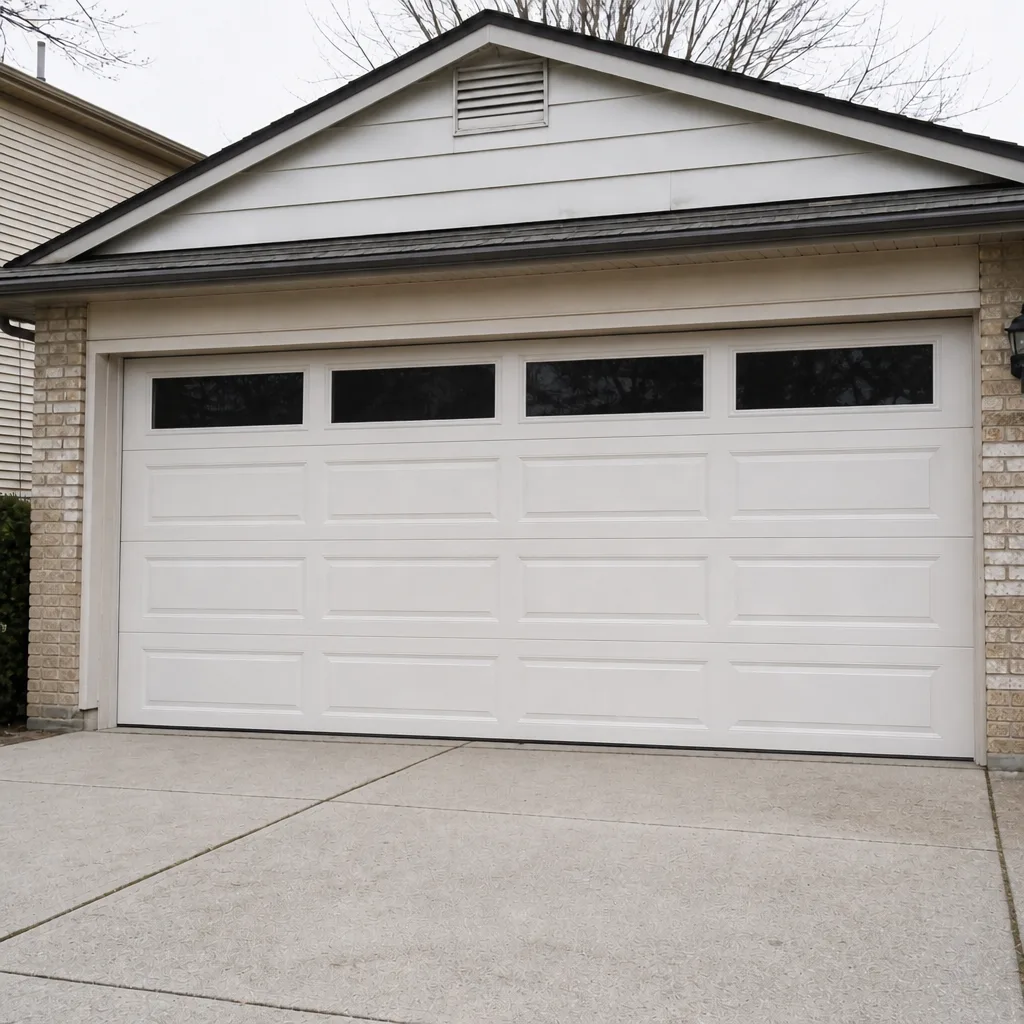 After
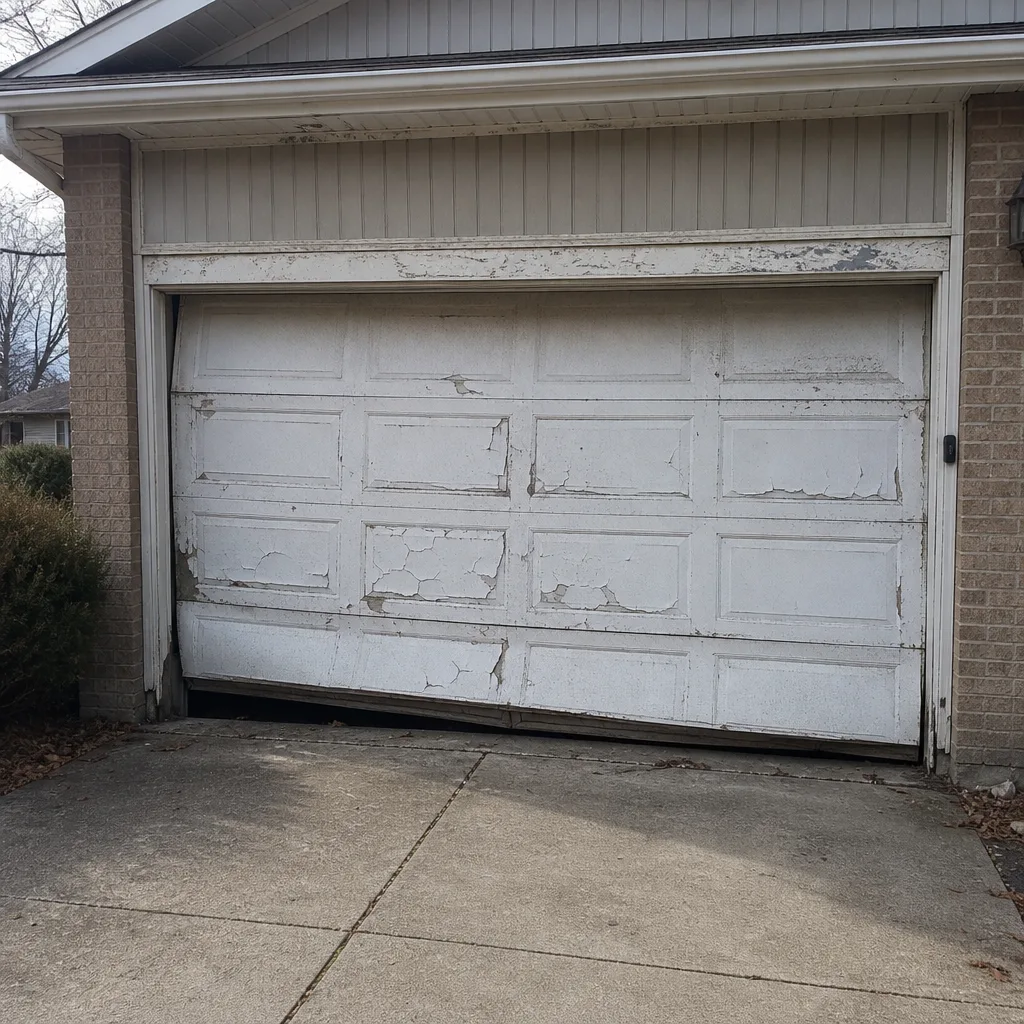 Before
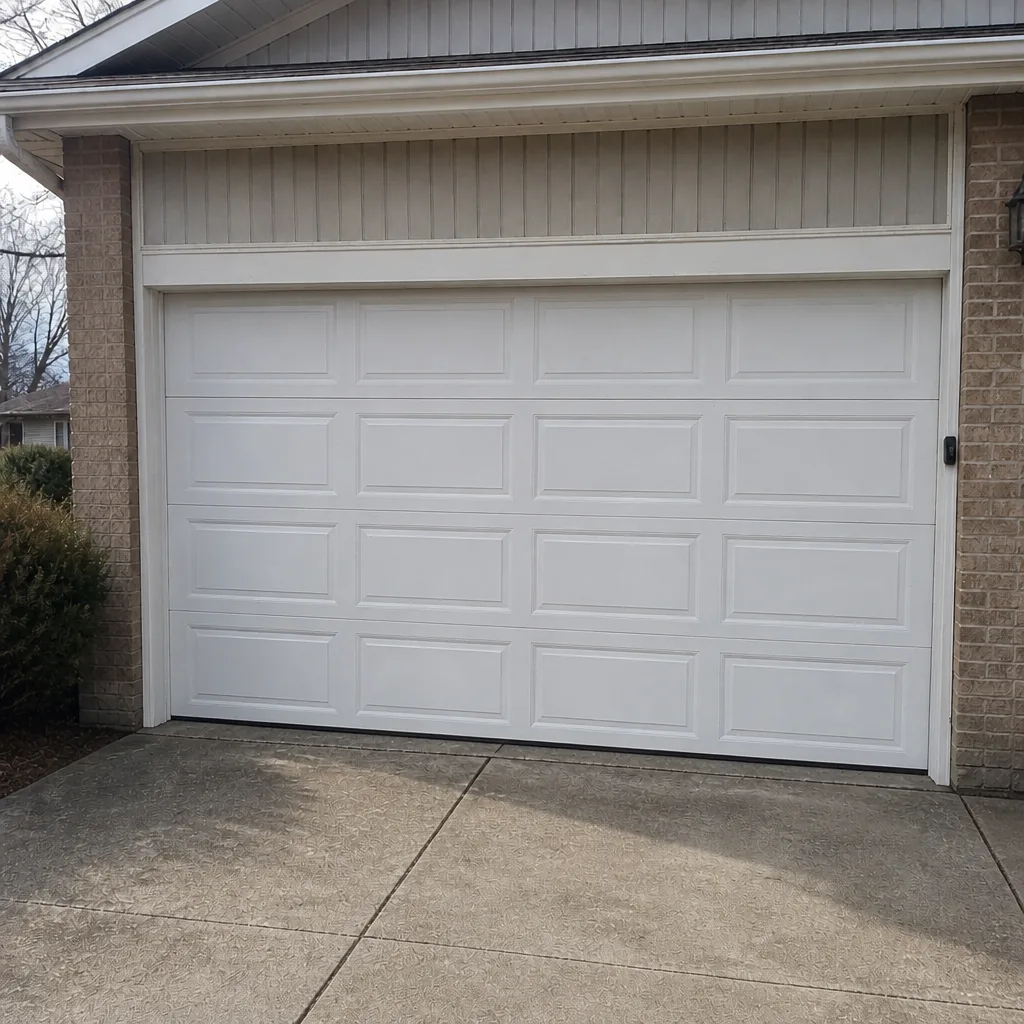 After
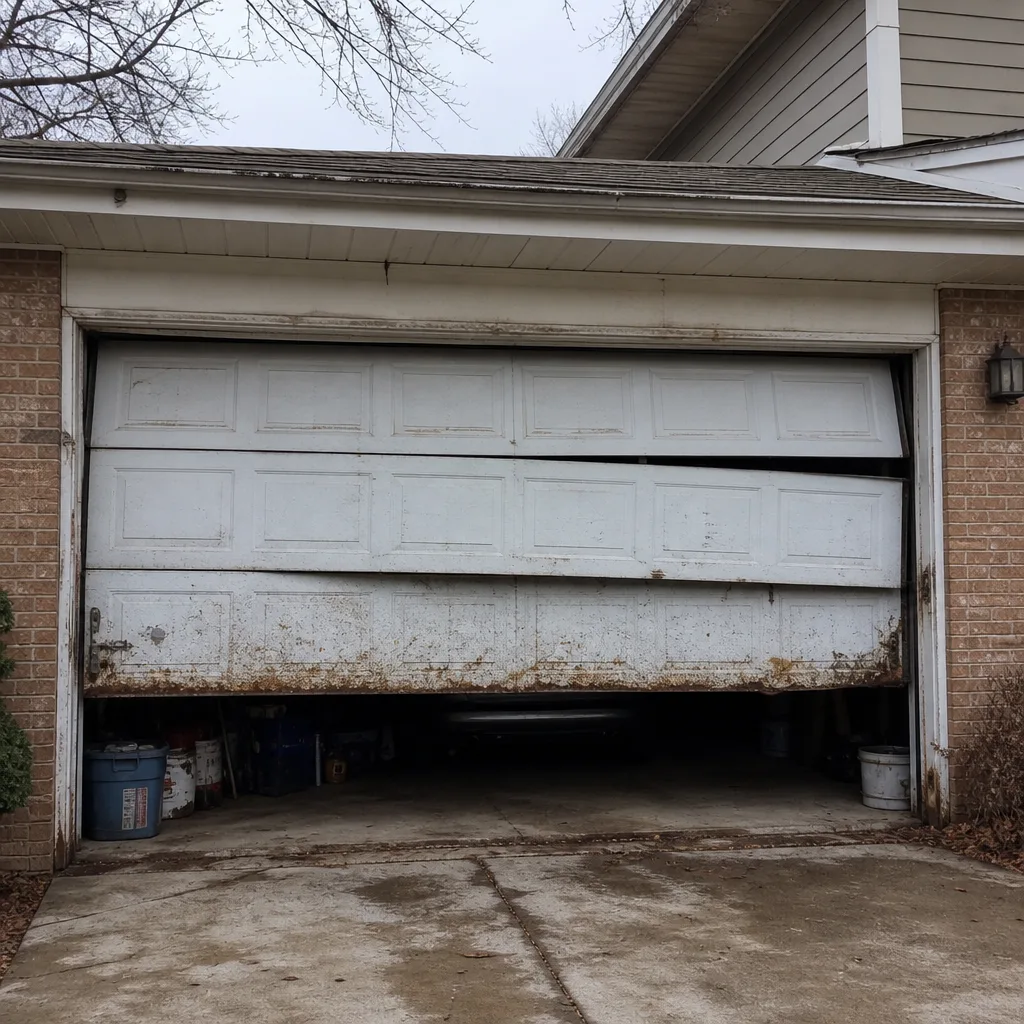 Before
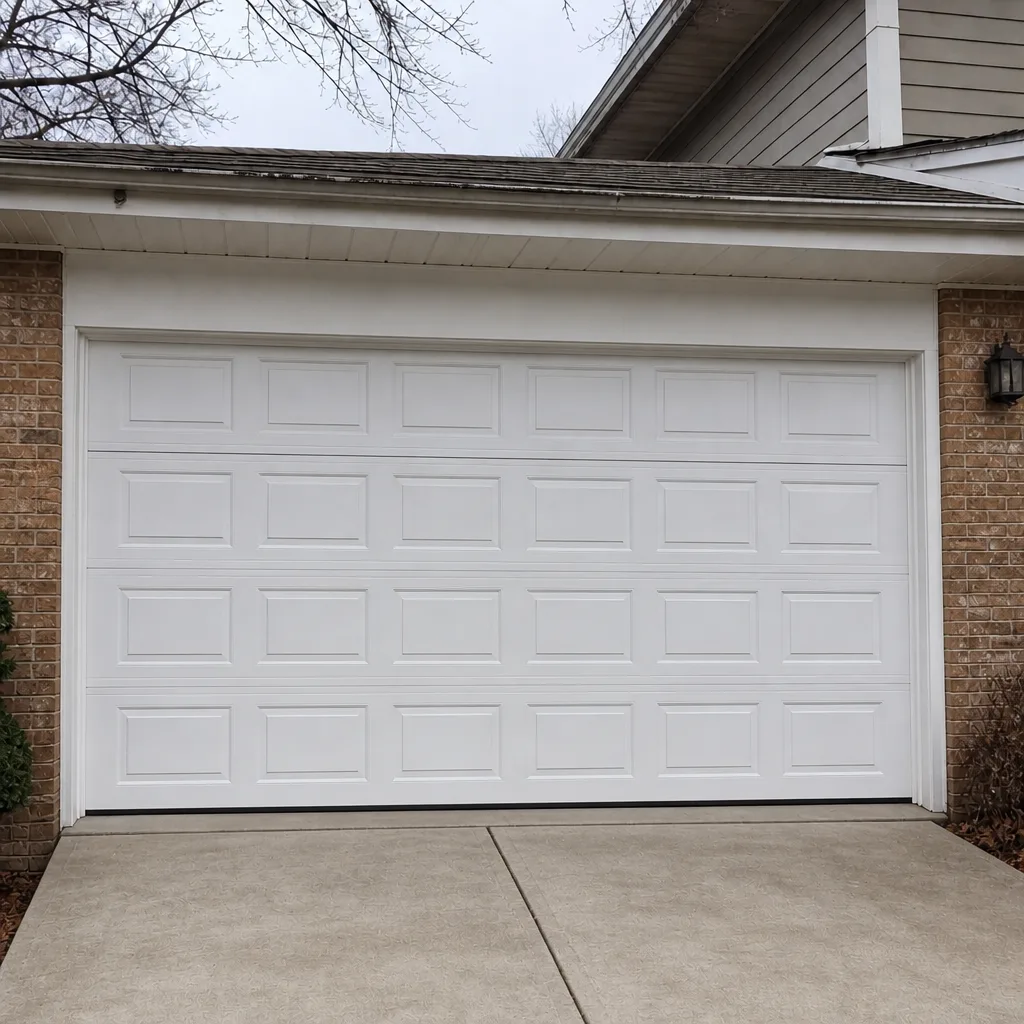 After
When to Call a Professional
Some problems call for a technician immediately. If you’ve spotted a gap in the spring coil, rust pitting, a frayed cable, or uneven lift, stop using the door and get it looked at. If the door won’t reverse on contact with an obstacle, or the photo-eye sensors won’t stay aligned, that’s a safety issue. If you hear a loud bang and the door sags on one side, a spring has likely failed. And if the door is stuck open or stuck shut, that’s the moment for emergency response. We answer 24/7 with fast dispatch from 7am to 7pm, Sunday through Friday, and we’re closed on Saturday. Arlington Heights Garage Door Repair Co offers free estimates in Arlington Heights. Call (877) 792-5722.
Frequently Asked Questions
Twice a year is the right interval here: once in late October before the first hard freeze, and once in early spring after the thaw. Add monthly safety tests in between, and a quick visual check in mid-summer if the door gets heavy daily use. The seasonal extremes in Arlington Heights are what drive wear, so timing the service around them matters more than any specific date. Call (877) 792-5722 for a free estimate if you’re not sure when your door was last serviced.
No. Torsion and extension springs hold enormous stored energy, and the tools required to safely unwind and rewind one are not household items. This is the single most dangerous repair on a garage door and one of the most commonly botched DIY jobs. If a spring is showing fatigue, call a technician who has the training and tools to handle it. Call (877) 792-5722 for a free estimate.
Look for a visible gap forming in the middle of the coil, rust pitting on the spring surface, uneven lift when you open the door, or a door that won’t stay halfway up when you lift it by hand. A single loud bang followed by a sagging door usually means the spring has already failed. Any of these signs means stop using the door and call a tech. Call (877) 792-5722.
No. WD-40 is a solvent and water displacer, not a lubricant. On springs, it strips the protective coating and attracts dust, which turns into grit and accelerates wear. Use a dedicated spring lubricant or a lithium grease spray. Call (877) 792-5722 if you’re not sure what your system needs.
Disengage the opener and lift the door by hand. If it’s easy to lift and stays where you leave it, the door is balanced and the opener is likely the issue. If it’s heavy, hard to lift, or drifts, the springs or hardware are the problem. A five-minute test tells you which direction to go. Call (877) 792-5722 for a free estimate and we’ll diagnose it correctly.
Yes, same-day service is available for repairs. We answer 24/7, and a call outside dispatch hours is booked into the next opening, Sunday through Friday, 7am to 7pm. Call (877) 792-5722 for a free estimate.
The Bottom Line
Maintenance is not about preventing every failure; it’s about catching the ones that are already coming. In Arlington Heights, the fall inspection before the first hard freeze does the most work, followed by a post-thaw check in spring and a quick safety test each month. Stick to the safe homeowner tasks, use the right lubricant on the right part, and leave springs and cables to a trained technician. A door that gets this routine twice a year rarely surprises you. A door that doesn’t usually does. For a full inspection or a repair, call Arlington Heights Garage Door Repair Co at (877) 792-5722. The estimate is free, and the price is always quoted and agreed before any work starts.
For more on our full range of services and local coverage, visit Arlington Heights Garage Door Repair Co.
Written by the team at Arlington Heights Garage Door Repair Co.