
Last updated November 23, 2026
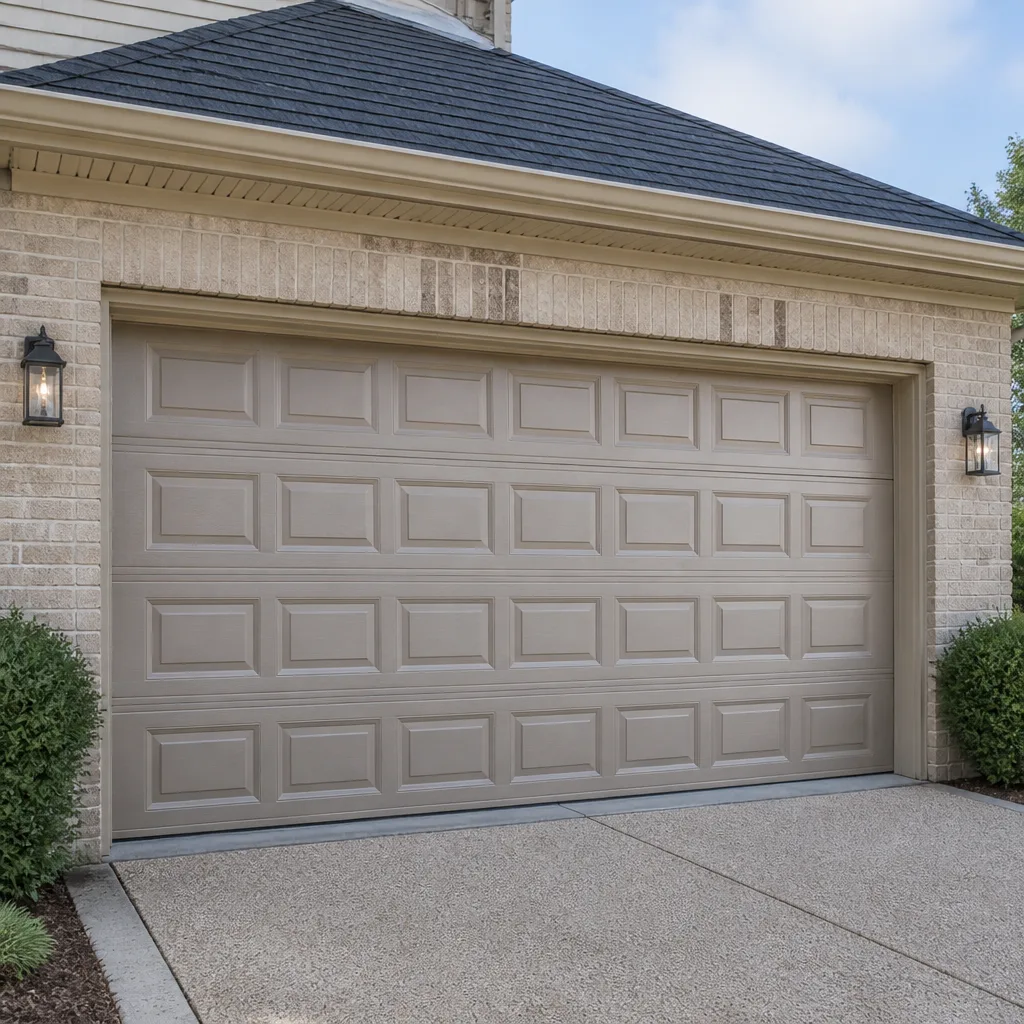 Raised-panel steel
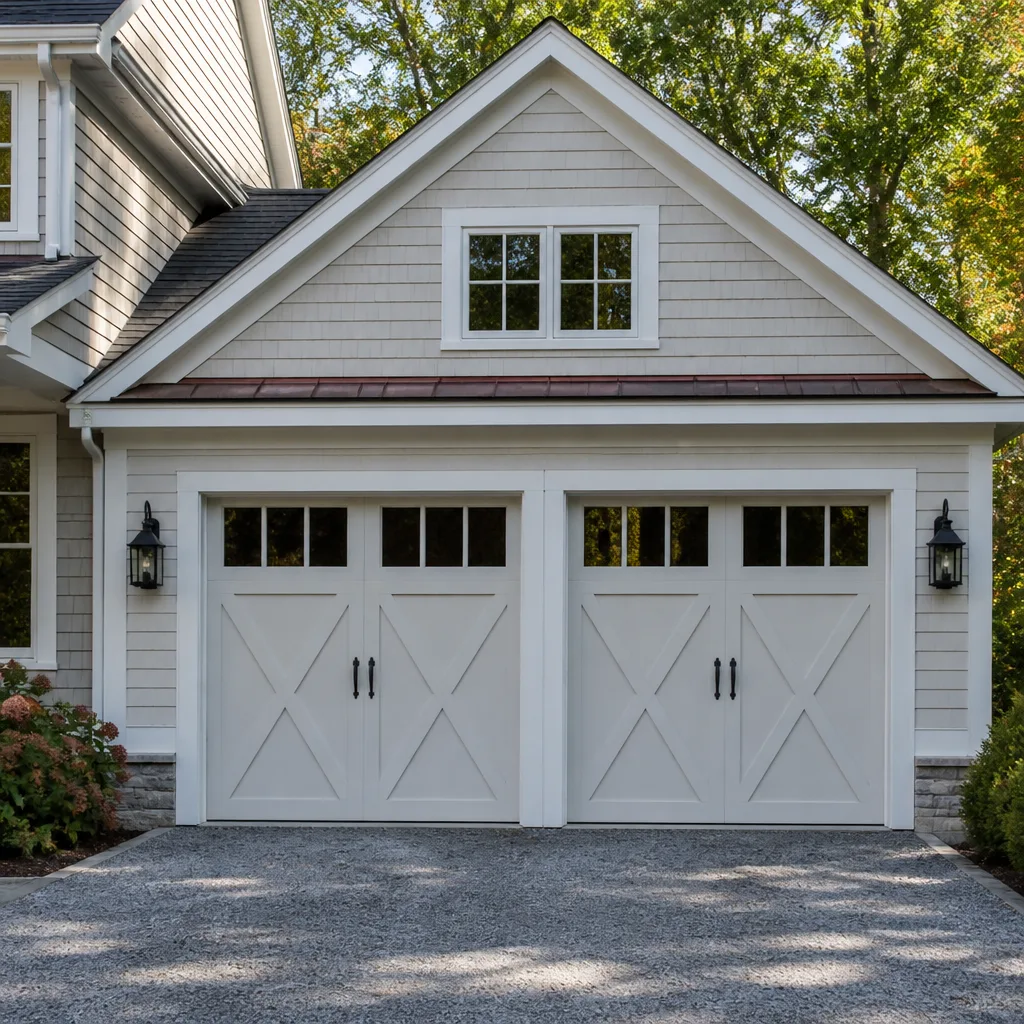 Carriage house
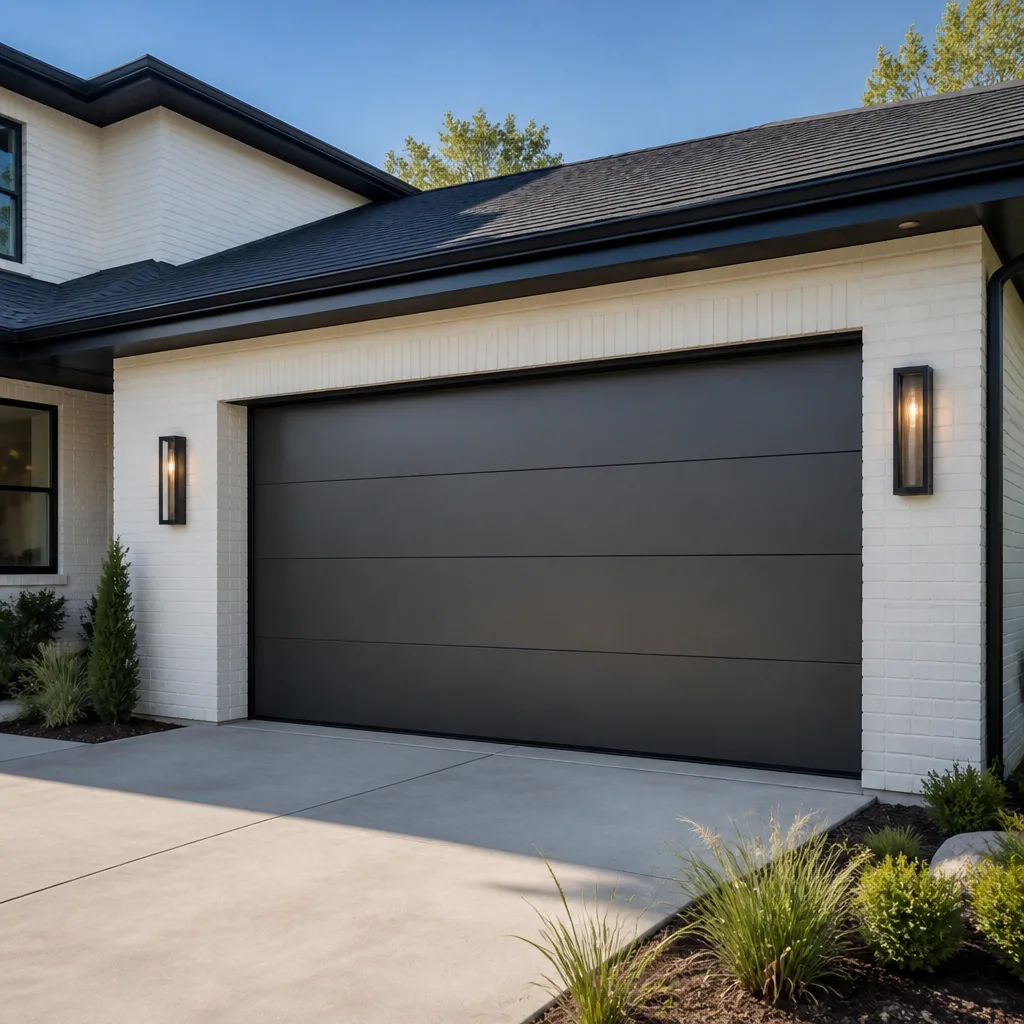 Modern flush
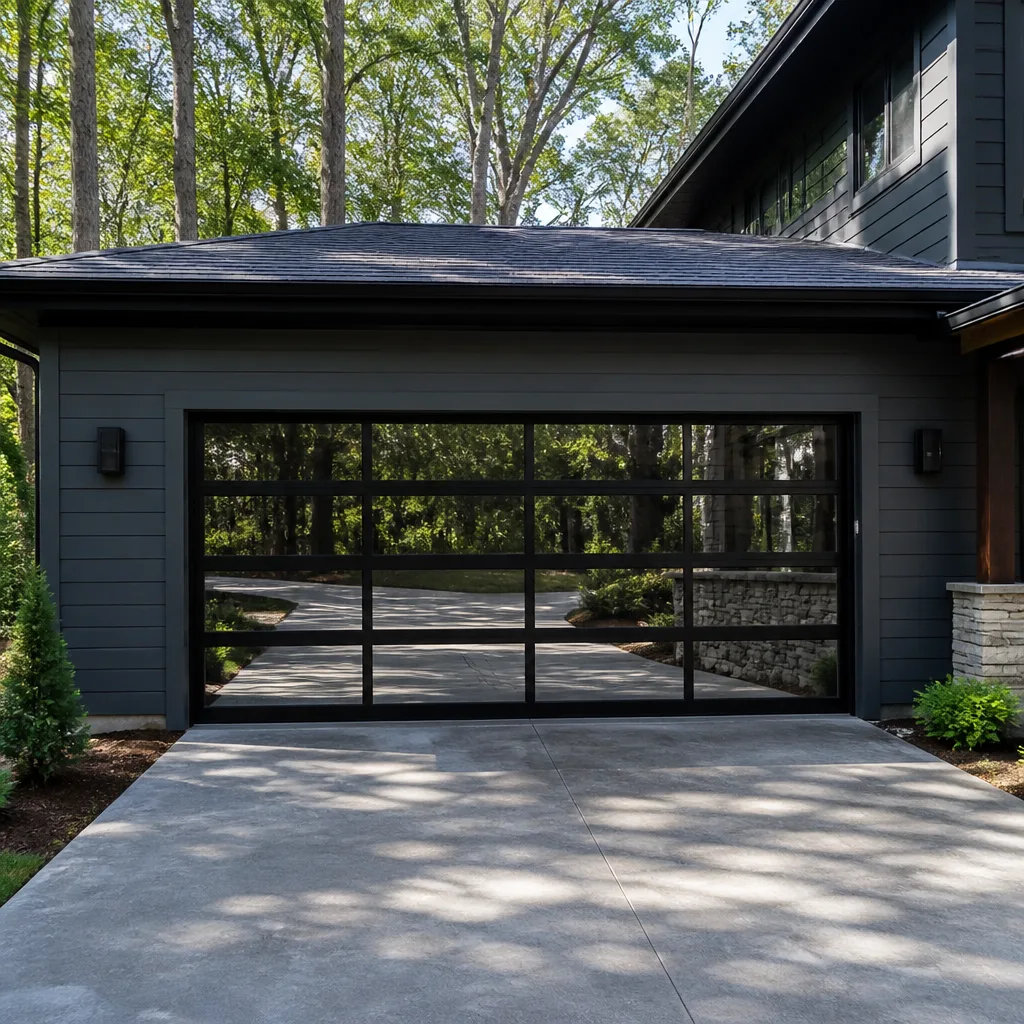 Full-view glass
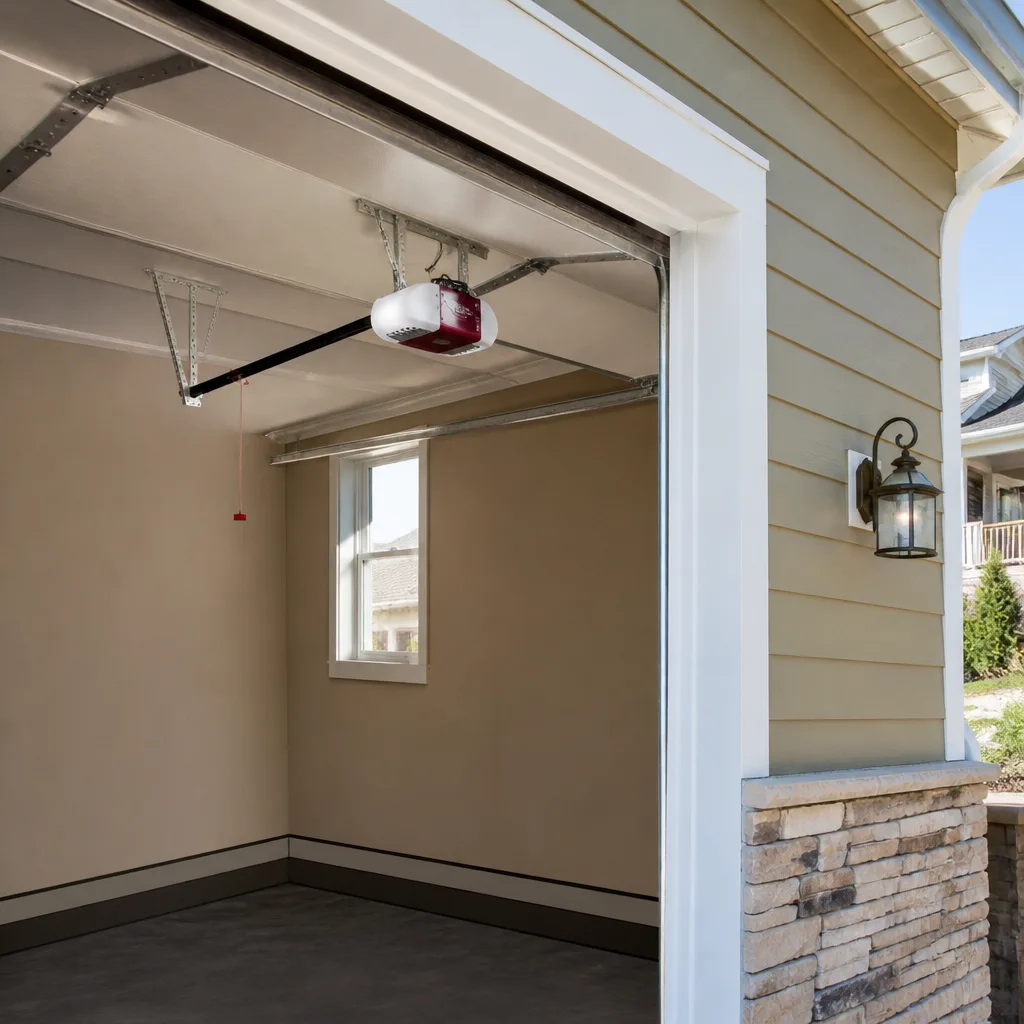 LiftMaster openers
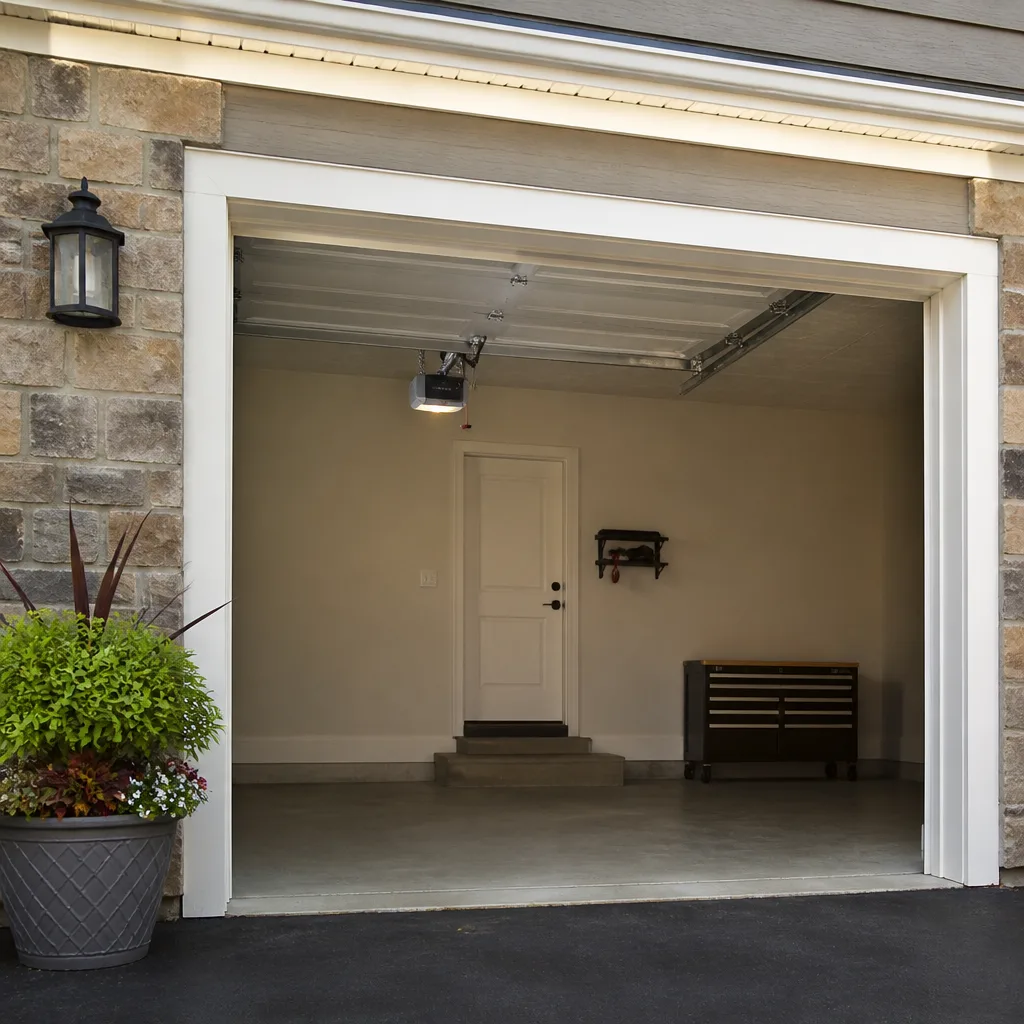 Chamberlain openers
Full 25-point door and opener safety check with every visit - springs, cables, rollers, tracks, and your LiftMaster or Chamberlain opener included
You get a price before we start. It does not change when the pro arrives.
Get your free estimateGarage Door Repair Troubleshooting in Arlington Heights: Common Problems and How to Fix Them
Most garage door problems announce themselves long before the door quits. The trouble is that homeowners hear the noise, see the crooked panel, or watch the door reverse halfway up, and have no idea whether they’re looking at a five-minute adjustment or a call to a technician. So they guess. They spray lubricant on a track that’s actually out of plumb. They tighten a chain that was never loose. They replace a remote when the real problem is a misaligned safety sensor. By the time they call us in Arlington Heights, a simple fix has turned into a bigger repair. This guide is meant to prevent that. It walks through the four mechanical categories almost every garage door failure falls into, tells you how to figure out which one you’re dealing with in about two minutes, and shows you exactly where the line sits between a fix you can safely handle and a job that belongs to a trained technician.
Quick Answer
Garage door problems almost always trace back to one of four systems: the springs that counterbalance the door, the opener and its drive mechanism, the tracks and rollers that guide the door, or the safety sensors and wiring at the base of the opening. Diagnosing which system is failing starts with a single test: pull the manual release and lift the door by hand. If it’s heavy or won’t stay up, the problem is mechanical (springs, cables, tracks). If it moves easily by hand but the door won’t open with the remote, the problem is in the opener or wiring. That one test separates a DIY-safe fix from a technician-required repair before you touch anything.
Styles & brands we work with
- Raised-panel steel
- Carriage house
- Modern flush
- Full-view glass
- LiftMaster openers
- Chamberlain openers
Table of Contents
- The Four Systems That Break on Every Garage Door
- Symptom 1: The Door Won’t Open At All
- Symptom 2: The Door Opens Partially and Stops
- Symptom 3: The Door Opens Crooked or Binds
- Symptom 4: The Door Works But Sounds Wrong
- Is It the Door, the Opener, or the Wiring?
- How Arlington Heights Seasons Stress Your Springs and Sensors
- What You Can Safely Fix vs. What Needs a Technician
The Four Systems That Break on Every Garage Door
Every residential garage door is a balance between four systems, and when one fails the others usually follow. Knowing where the failure started saves you from replacing a part that wasn’t broken.
The counterbalance system is the pair of torsion springs above the door (or extension springs beside the tracks on older doors) plus the cables and drums that connect them to the door. This system carries most of the door’s weight. When a spring fatigues, the opener suddenly has to lift a door that weighs far more than it was designed to move, and that’s when opener gears strip and bearings wear.
The opener system is the motor, the drive (chain, belt, or screw), the logic board, and the safety reversal circuit. Modern openers – LiftMaster, Chamberlain, Genie, and Craftsman are the ones we see most often in Arlington Heights homes – are reliable, but the drive wears, the logic board fails, and safety sensors drift.
The track and roller system guides the door up and down. Tracks bend, rollers wear flat, and hinges loosen. A door with a bent track will bind, and a binding door can strip an opener in a single cycle.
The safety and control system is the pair of photocell sensors at the base of the opening plus the wall button and remote wiring. Sensor failures are the single most common cause of a door that randomly reverses.
In our experience, once you can name the failing system, the fix is usually obvious. What’s less obvious is the order of failure – a bad spring can look like a bad opener, and a bad sensor can look like a bad logic board. That’s what the tests below are for.
Symptom 1: The Door Won’t Open At All
When the door doesn’t move, the first test isn’t at the opener – it’s at the manual release. Pull the red cord to disengage the door from the opener, then try to lift the door by hand. This single test tells you which half of the system is failing.
- Disengage the door. Pull the manual release cord hanging from the opener rail. The door should now move freely by hand.
- Lift the door halfway. If it takes serious effort, the counterbalance system is failing. If it lifts easily, the springs are fine.
- Let go at the halfway point. A properly balanced door holds roughly where you leave it. If it drops, the springs are weak or broken.
- Try the wall button. If the door moves easily by hand but nothing happens from the button, the problem is in the opener, the safety sensors, or the wiring.
If the door is heavy, the door is heavy. That’s a spring problem, and it’s not a DIY repair – we’ll explain why shortly. If the door moves easily but the opener is silent, check the safety sensors first. A single spiderweb or a bumped sensor is behind a surprising number of “dead” openers. If the sensors are aligned and the opener still does nothing, the logic board or the wall wiring is the next suspect, and that’s where a technician should look.
If your door is stuck shut after one of these tests, an emergency call makes sense. We offer emergency garage door service for exactly this situation, and same-day repair is often possible for standard spring and opener failures. Driveway access in Arlington Heights neighborhoods near the downtown train station is tight, so a door stuck open overnight is worth fixing the same day rather than waiting.
Symptom 2: The Door Opens Partially and Stops
A door that opens a foot or two and then reverses or stops is usually a limit setting problem or a safety sensor problem – not a mechanical failure. This is the most fixable of the four symptoms, and it’s also the one homeowners misdiagnose most often.
Openers use two limit switches (mechanical or electronic) to tell the motor when to stop in the up and down positions. If the up limit is set too low, the door stops short. If the down limit is set too high, the door reverses before it reaches the floor. On a LiftMaster or Chamberlain opener with an electronic travel module, the limits are set with the control panel’s up and down arrows. On older Genie and Craftsman units, they’re set with slotted screws or mechanical stops on the rail.
Here’s the test that separates a limit problem from a sensor problem: watch the light on the opener when the door stops. If the opener’s light flashes a specific pattern and the door reverses without touching anything, the safety sensors are the cause. If the door simply stops and the light stays steady, it’s a limit setting.
- Door reverses before reaching the floor: down limit is set too high, or the safety sensors are obstructed. Check the sensors first.
- Door stops before reaching the top: up limit is set too low, or a roller is binding on the track.
- Door reverses immediately after closing: the sensor lenses are misaligned or dirty, or there’s something hanging in the beam path.
- Door hums but doesn’t move: the opener’s travel is jammed – check for a broken spring or a bent track before touching the limits.
On Wayne Dalton and Raynor doors, the roller carriers and jamb brackets are the failure points we come across most often when a door stops partway. Those parts wear differently than standard ball-bearing rollers, and it’s worth having a technician who’s familiar with the brand look at it rather than swapping in a generic roller that won’t ride the track correctly. Limit switch adjustment itself is safe for a homeowner to try – it’s low-torque, low-voltage, and doesn’t involve any stored energy. If you adjust the limit and the door still stops in the same spot, the problem is mechanical and the door needs a professional look.
Symptom 3: The Door Opens Crooked or Binds
A door that rises at an angle, binds on one side, or shudders on the way up has a track or cable problem, and this is the symptom where DIY repairs most often make things worse. The door’s weight is carried by two cables, one on each side, and if one side is off you get a crooked lift. The cause is almost always one of three things:
- A bent track. Tracks get bent by a car bumper, a ladder, or a door that’s been forced closed with something in the way. A slightly bent track can sometimes be straightened with a rubber mallet and a steady hand, but bent tracks above the door rarely come back to true, and a door riding a bent track will eventually fail.
- A failed roller or hinge. Rollers wear flat, hinges loosen, and the door develops a hitch on one side. Replacing rollers and hinges is straightforward, but only if you’re comfortable working from a ladder and know which roller style the door uses.
- A cable off its drum. This is the dangerous one. Cables are under the same tension as the springs and can snap with enough force to cause serious injury. Do not try to reseat a cable yourself. If the cable is slack, kinked, or has come off the drum, stop and call a technician.
One quick visual test: with the door down, sight along each track from floor to ceiling. A straight track looks like a straight line. A bent track shows a visible kink or a curve where the track should be straight. If both tracks look straight and the door still binds, look at the gap between the door and the tracks – it should be even on both sides. An uneven gap means the door is out of level on one side, which usually points to a cable or drum problem.
We’ve seen bind problems in Arlington Heights homes that turn out to be nothing more than a loose hinge on a Craftsman or Clopay door, and we’ve seen bind problems that were a cable about to fail. The difference matters, and you can’t tell which is which without looking at both the cable tension and the track alignment, which is why a professional inspection is worth the trip when a door binds.
Symptom 4: The Door Works But Sounds Wrong
Noise is a warning system, not a background annoyance. A garage door that’s working but sounds different from the way it sounded last month is telling you something is wearing, and the type of noise points to the part.
- A grinding, metallic scrape: the rollers are dry, flat, or seizing on their shafts. Lubricate the rollers and hinges with a silicone-based garage door lubricant (not WD-40, which attracts dust) and see if the noise quiets. If it doesn’t, the rollers are worn and need replacement.
- A rhythmic thumping: a track is out of alignment or a hinge is loose. The thump is the door riding over a gap or a kink in the track. Left alone, it turns into a binding problem and eventually a bent track.
- A squeal that rises with the door: usually a torsion spring or a drum bearing. On older extension-spring doors, it can also be the pulleys. This noise often precedes spring failure by weeks – if you hear it, get the door looked at before the spring goes.
- A rattling chain or a clunk from the opener: the chain or belt is loose, or the opener’s drive gear is worn. A LiftMaster or Chamberlain belt drive with a loose belt will clunk at the start and end of every cycle; a worn gear will clunk mid-travel.
- A momentary scraping at the top or bottom of travel: the door is catching on the frame or a weather seal. This is usually a simple adjustment, not a mechanical failure.
The reason noise matters in Arlington Heights specifically is the seasonal swing. Spring and fall are tough on garage door hardware – the door expands and contracts with temperature, tracks shift on their fasteners, and lubricant thickens in cold weather. A door that’s noisy in November is often telling you a track has shifted since the summer. If you act on the noise, you can usually avoid the mid-January breakdown that would otherwise follow.
If the noise is accompanied by vibration through the wall of the house, the problem is more likely the opener’s mounting or the door’s balance than the door hardware itself. An unbalanced door puts stress on the opener on every cycle, and that’s the failure mode that takes a $200 opener repair and turns it into a $600 opener replacement.
Is It the Door, the Opener, or the Wiring?
This is the diagnostic question homeowners get wrong most often, because the three systems produce nearly identical symptoms. The good news is there’s a fast test for each.
Test the door: disengage the manual release and lift the door by hand. If it lifts easily and stays where you leave it, the door and its springs are healthy.
Test the opener: with the door still disengaged, press the wall button. The opener should run a full cycle in both directions. If it runs, the opener is healthy. If it doesn’t, the problem is in the opener, the sensors, or the wiring.
Test the wiring: check that the wall button and the safety sensors are wired into the opener’s terminals (they are low-voltage wires – never touch the high-voltage line feeding the opener). A loose terminal or a chewed wire between the opener and the sensor is a common cause of an opener that won’t respond to the button but responds to the remote.
There’s a fourth test homeowners rarely think of: the safety sensors. If the door reverses without any command, if the opener’s light flashes a diagnostic pattern, or if the door only works when you hold the wall button down (a feature called constant-pressure close), the sensors are the cause. Clean the lenses, check alignment, and confirm the LED on each sensor is lit and steady. On most LiftMaster and Chamberlain units the sensor LED will blink when there’s an obstruction and stay solid when the path is clear.
What you should not do is start swapping parts on the logic board or the capacitor before you’ve run the three tests above. We’ve seen homeowners replace a remote, then a wall button, then a logic board, when the problem was a spiderweb on the sensor. The tests take five minutes and they point to the right part. If you’re in Arlington Heights and the test points to the opener, garage door opener repair is the service to call – a technician who works on your brand will diagnose the actual failure instead of guessing, and the parts will be matched to the unit rather than pulled from whatever’s in the truck.
How Arlington Heights Seasons Stress Your Springs and Sensors
Arlington Heights sits in a climate with a wide annual temperature swing, and that swing is hard on garage door hardware in ways that look like bigger problems than they are. In a cold winter, the steel in the torsion spring contracts and the lubricant in the bearings thickens. The door gets heavier to lift, the opener works harder, and a spring that was marginal in October can fail in January. This is the reason most spring failures we see happen in the cold months – not because the spring is defective, but because the load on it peaked.
Sensor alignment is the other seasonal issue. In wet or freezing weather, moisture condenses on the sensor lens and dirt sticks to it. The door starts reversing intermittently, and the homeowner assumes the opener is failing. It isn’t – the sensor is just dirty. A wipe with a dry cloth and a quick check that the LED is steady is often the whole fix. In spring, the freeze-thaw cycle shifts the soil around the door frame and can nudge a sensor out of alignment, which produces the same intermittent reversal pattern.
Routine maintenance is what prevents both problems. Twice a year – once in the fall before the cold sets in, and once in the spring after the thaw – lubricate the rollers, hinges, and spring, and check the sensor alignment. It’s the highest-return fifteen minutes you can spend on the door, and it’s the difference between a spring that lasts its full service life and one that fails in February. If you’re not comfortable on a ladder or you want the door inspected before winter, that’s a good use of a service call.
In areas of Arlington Heights with older homes – the blocks around the Metra tracks and the historic district – we often find original extension-spring doors that have never been converted to torsion. Those doors are more prone to seasonal problems because the springs are exposed to the same temperature swing without the enclosed, lubricated housing a torsion system uses. If your door has extension springs running alongside the tracks, it’s worth having a technician look at them before winter.
What You Can Safely Fix vs. What Needs a Technician
This is the line that matters, and it’s clear once you know the categories.
DIY-safe fixes (no stored energy, no risk of serious injury)
- Safety sensor cleaning and realignment. Wipe the lenses, check the LED on each sensor, and adjust the bracket if the beam is blocked. This is the single most common DIY fix and it’s genuinely safe.
- Manual release operation. Learning to pull the red cord, lift the door by hand, and re-engage the carriage is a skill every homeowner should have. It’s also the fastest way to diagnose a stuck door.
- Lubrication. Silicone-based lubricant on rollers, hinges, and the spring. Not WD-40 on the tracks, not grease in the tracks – tracks should be clean and dry.
- Limit switch adjustment. Low-voltage, low-torque, and reversible. If you’re not sure, adjust in small increments and test after each change.
- Visual inspection. Sight down the tracks for bends, look at the gap between the door and the tracks, check the springs for visible gaps or kinks, and listen for the noises described above.
Technician-required repairs (stored energy, height, or structural adjustment)
- Torsion and extension spring replacement. A torsion spring stores enough energy to cause serious injury if it’s released incorrectly, and a spring can fail while you’re working on it. This is not a DIY repair, no matter what a video suggests. See garage door spring repair for what the job actually involves.
- Cable replacement or reseating. Cables are under the same tension as the springs and can snap. Never work on a cable yourself.
- Track straightening or replacement. Getting a track back to true requires the door to be off the track, which is a two-person job with the right tools.
- Opener drive, gear, or logic board replacement. Diagnosing which component failed requires the right meter and the right brand knowledge. Brand-specific expertise matters here – a technician who works on LiftMaster, Chamberlain, Genie, and Craftsman units every week diagnoses faster than a generalist who has to reason it out.
- Door panel replacement or full door installation. A damaged panel on a Clopay, Amarr, Wayne Dalton, or Raynor door has to be matched to the model and the color, which is a sourcing job as much as a repair job.
If you’re unsure which category your problem falls into, the safest call is to have it looked at. A free estimate costs nothing and tells you whether the fix is a five-minute adjustment or a spring replacement. We’d rather tell you to wipe a sensor and hang up than have you hurt yourself on a torsion spring.
Common Mistakes to Avoid
- Working on a torsion spring without the right tools. The two winding bars a technician uses are made for the job; a screwdriver or a pair of pliers is not. A slipped tool on a wound spring can cause serious injury, and the spring can fail while you’re working on it. Leave it to a technician.
- Lubricating the tracks. Tracks are meant to be clean and dry. Lubricant on the tracks attracts dust and makes the rollers slide instead of roll, which causes the door to bind. Lubricate the rollers, hinges, and spring – not the track itself.
- Replacing a remote when the sensor is the problem. If the door reverses or only works from the wall button, the sensors or the logic board are the likely cause. A new remote won’t fix a sensor that’s out of alignment, and it won’t fix a logic board that’s losing its memory.
- Adjusting the opener’s force setting to compensate for a heavy door. Turning up the force limiter masks a failing spring by making the opener work harder. The door gets heavier, the opener works harder, and eventually the opener’s gear strips. Fix the spring, not the force setting.
- Forcing a stuck door with the manual release. If the door won’t lift by hand, the cable or spring has failed. Pulling harder doesn’t unstick it – it can make a cable snap. Stop and call a technician.
- Ignoring a noisy door through the winter. A grinding or squealing door in November is telling you a part is wearing. Left alone through an Arlington Heights winter, it usually turns into a spring failure or an opener replacement by February.
- Assuming every repair is a replacement. Many failures are component-level – a roller, a hinge, a limit switch, a sensor. A technician who diagnoses the actual failure can often fix it for a fraction of the replacement cost. Ask what failed before agreeing to a full replacement.
See the difference
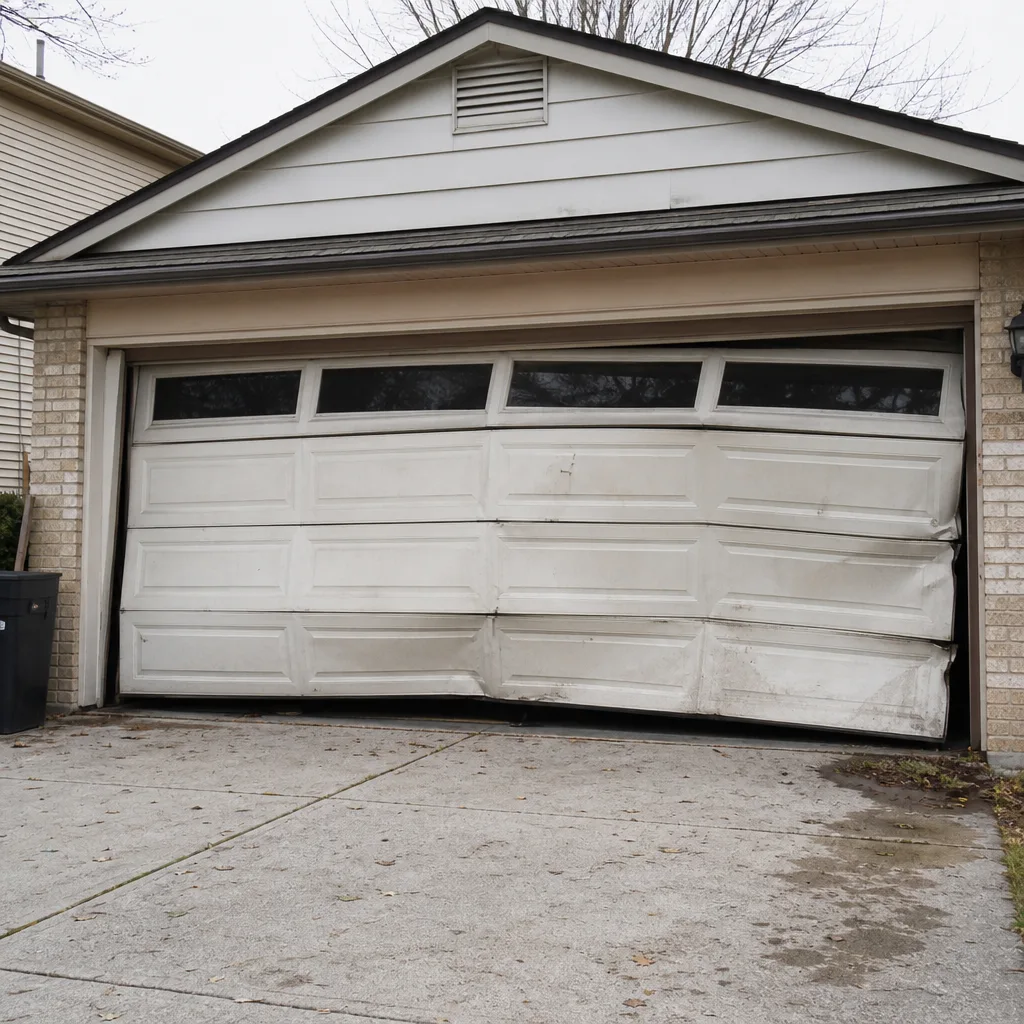 Before
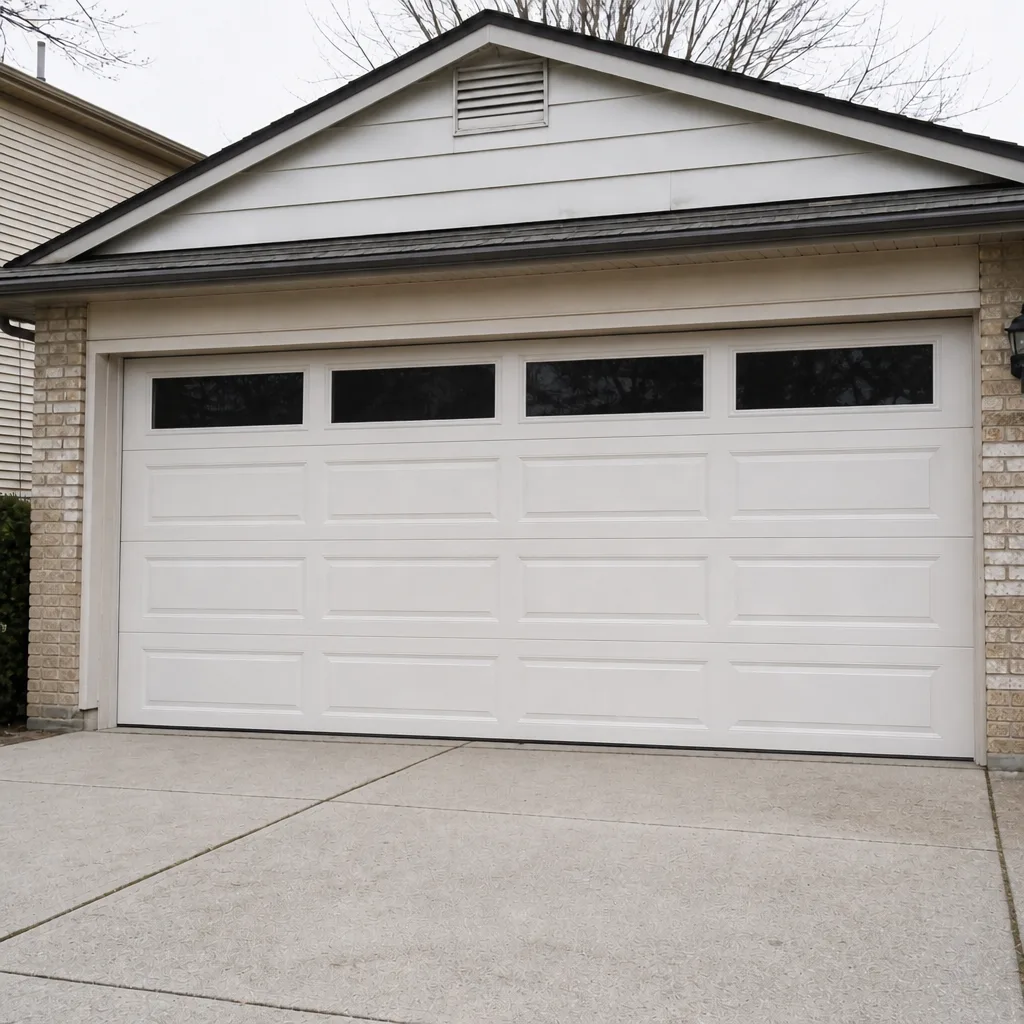 After
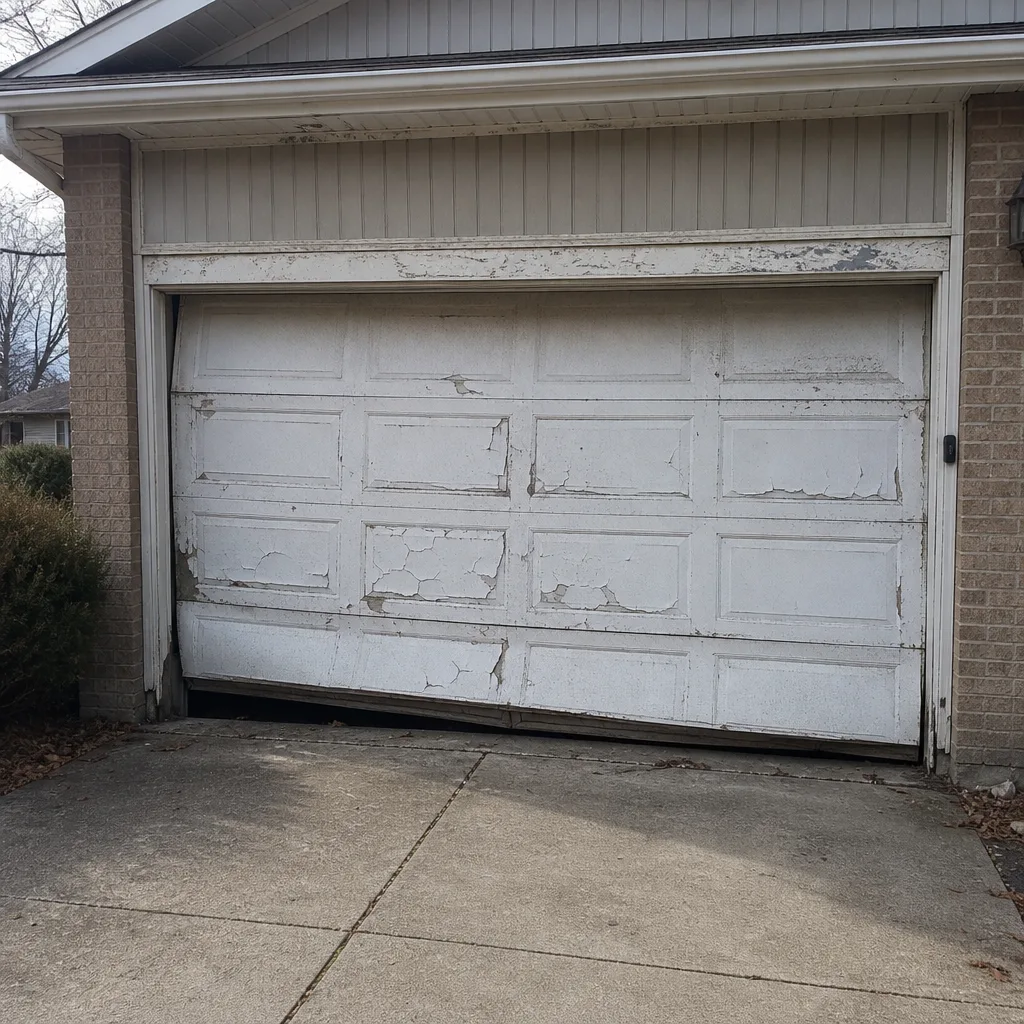 Before
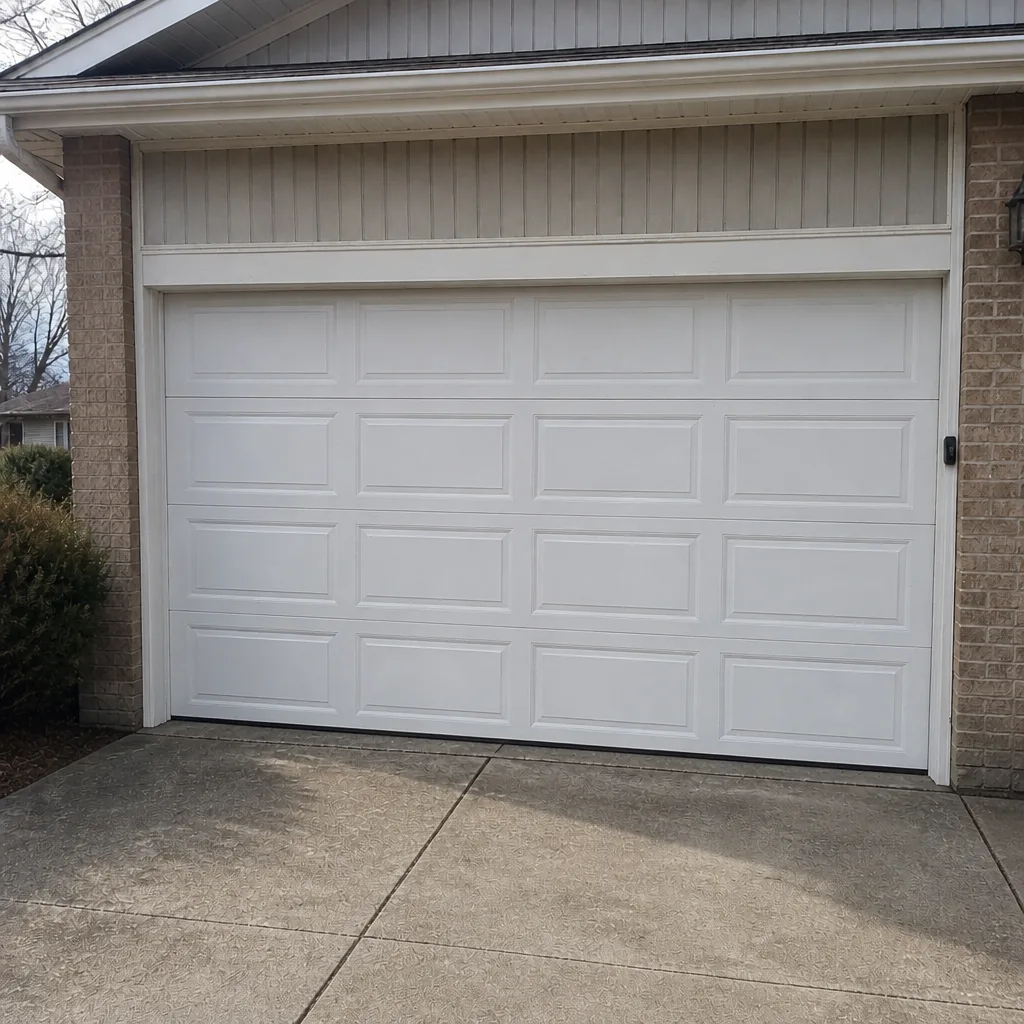 After
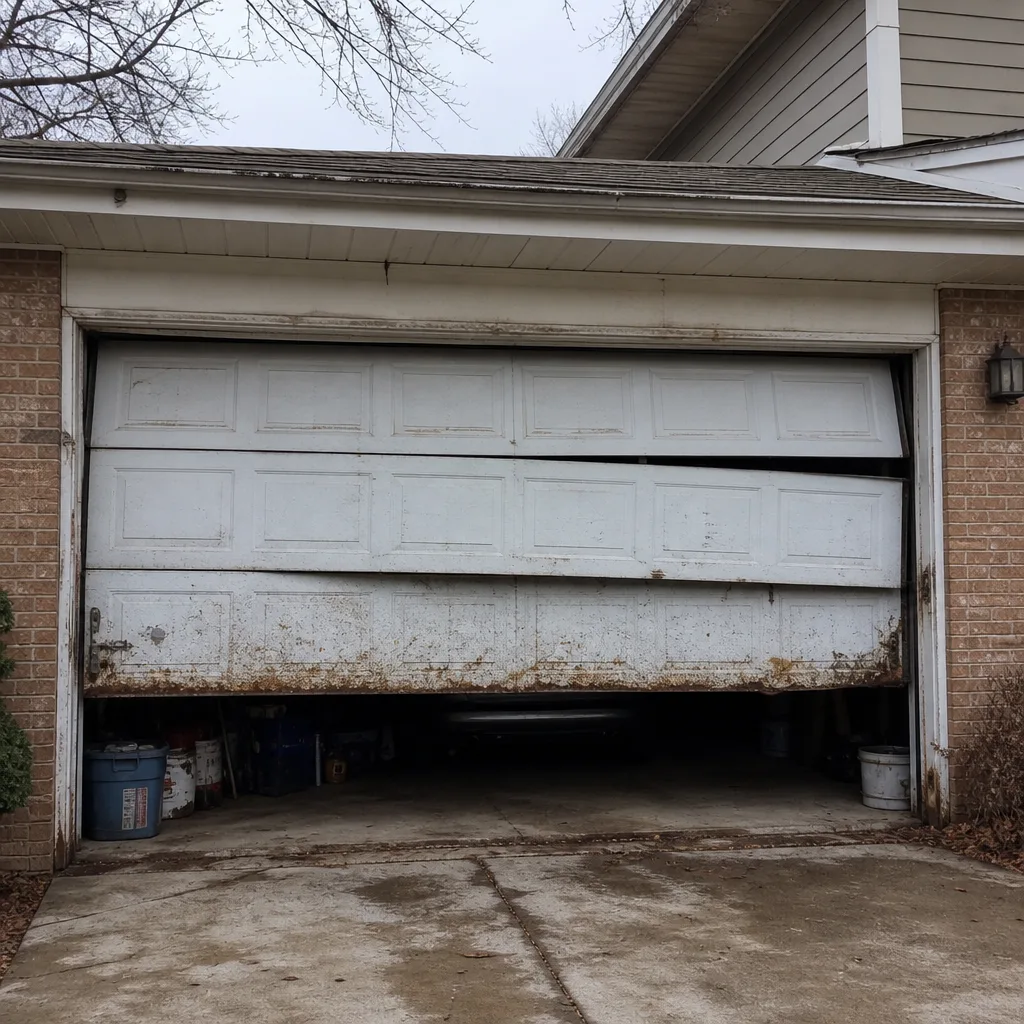 Before
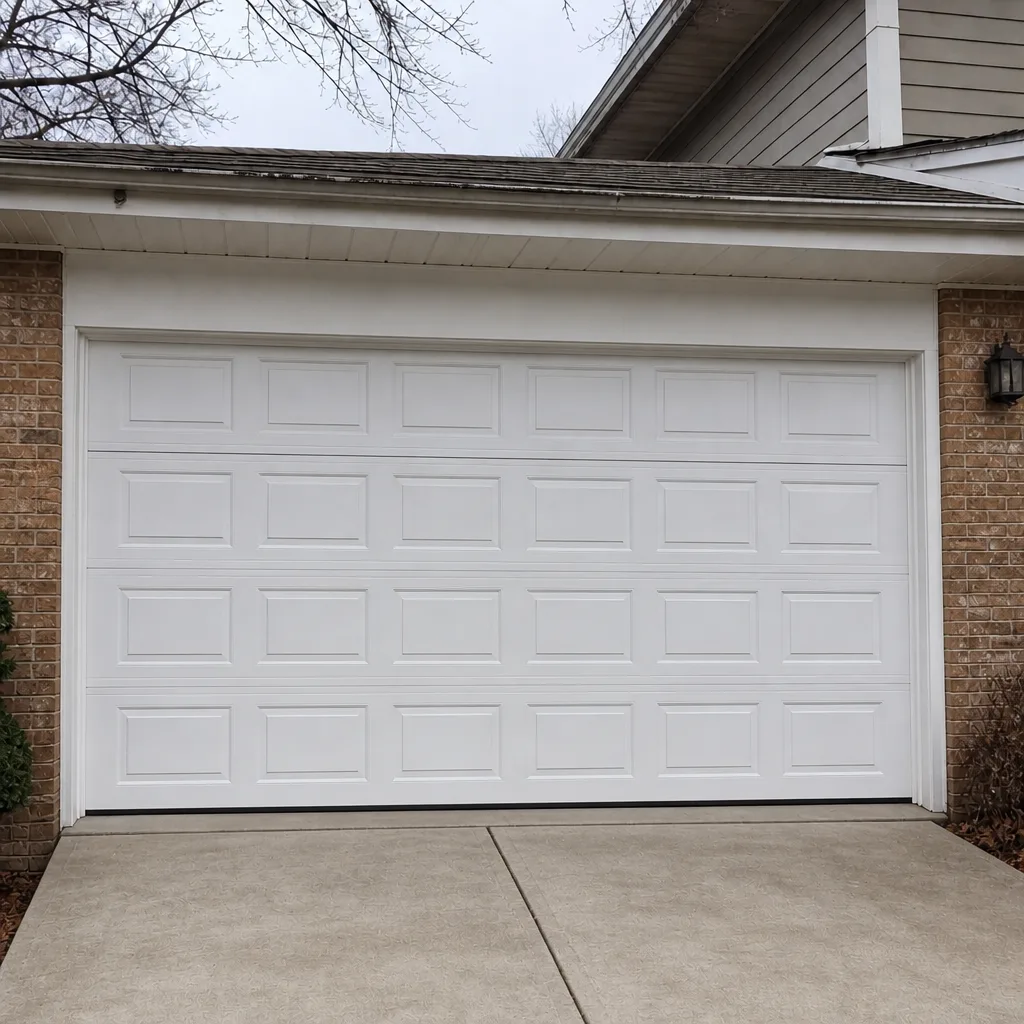 After
When to Call a Professional
Some problems are worth a same-day call: a spring that’s visibly broken (a gap in the coil, a door that won’t lift by hand), a door stuck open overnight (a security issue and a weather issue in equal measure), a cable that’s slack or kinked, an opener that’s dead after you’ve confirmed the sensors are aligned, or a door that’s rising crooked and binding. In any of those cases, stop and call a technician. What you shouldn’t do is try to force the door or work on the spring yourself. Those are the two things most likely to turn a routine repair into a serious injury.
For less urgent problems – a noisy door, a door that stops partway, a sensor that reverses intermittently – a scheduled visit with a free estimate is the right call. A technician will diagnose the actual failure and tell you what it takes to fix it. If the problem is a five-minute adjustment, that’s what the visit will be.
Arlington Heights Garage Door Repair Co offers free estimates in Arlington Heights – call (877) 792-5722. We answer 24/7. Fast dispatch from 7am to 7pm, Sunday through Friday. Our technicians have up to 13 years of experience, and they work on the brands your door and opener were built with – LiftMaster, Chamberlain, Genie, Clopay, Amarr, Wayne Dalton, Craftsman, and Raynor. Whether it’s a spring, a sensor, or an opener that’s failing, we’ll tell you what’s wrong before any work starts and quote the price in writing.
Frequently Asked Questions
Pull the manual release and try to lift the door by hand. If it’s heavy or won’t stay up, the problem is the spring or another part of the counterbalance system. If it lifts easily, the springs are healthy and the problem is in the opener, the safety sensors, or the wiring. That one test settles the question in under two minutes, and it’s the first thing any technician will do. If the door is heavy, don’t try to lift it further – call a technician for spring repair.
The safety sensors are almost always the cause. The door is designed to reverse when the beam between the two photocell sensors at the base of the opening is broken, and a dirty lens, a misaligned bracket, or an object in the beam path will trigger it every time. Clean both lenses, check that the LED on each sensor is lit and steady, and look for anything hanging in the beam. If the door still reverses, the down limit is set too high or the sensor wiring has a fault, and that’s a call to a technician.
No. A torsion spring stores enough energy to cause serious injury, and the two winding bars a technician uses are made for the job; a screwdriver or a pair of pliers is not. A spring can also fail while it’s being worked on, which is why spring replacement is one of the few repairs we tell homeowners never to attempt. Call a technician for spring repair – the cost of the repair is far less than the cost of an injury.
Most repairs in Arlington Heights are priced per job by a written estimate, and the estimate is free. Sensor alignment and limit adjustment are typically the least expensive repairs, opener component repairs are in the middle, and spring replacement or door panel replacement are the higher-cost jobs because of the parts and labor involved. The estimate sets the final price, and the price is quoted and agreed before any work starts. Call (877) 792-5722 for an exact quote – estimates are free.
Same-day service is often possible for repair calls, and emergency garage door service is available for doors that are stuck open or stuck shut. We answer 24/7. Fast dispatch from 7am to 7pm, Sunday through Friday. A call outside dispatch hours is booked into the next opening. For a new door installation or a panel replacement, the work is measured, ordered, and scheduled rather than same-day, and you’ll get a written price before anything is ordered.
Yes, if it’s one of the eight brands our technicians are trained on. We service LiftMaster, Chamberlain, Genie, Clopay, Amarr, Wayne Dalton, Craftsman, and Raynor – which covers the systems in most Arlington Heights homes. Brand familiarity matters because the parts and the diagnostic procedures differ between manufacturers; a technician who works on your brand every day diagnoses faster and sources the right part instead of guessing. If you’re not sure of the brand, the model number on the opener and the door’s label are enough to tell us.
The Bottom Line
Almost every garage door failure is one of four things: springs, opener, track, or sensors. The manual-release test separates a mechanical failure from an electrical one, and the noise-and-alignment checks separate a DIY fix from a technician call. Sensors and limit switches are a homeowner’s job. Springs, cables, tracks, and logic boards are not – the stored energy in a spring or a cable is the reason a trained technician handles that work. The right repair is the one that fixes the actual failure, matched to the brand and model of your door and opener, not a generic part that happens to fit. If you’re not sure which category you’re in, a free estimate settles it.
Call (877) 792-5722 for a free estimate on any garage door repair in Arlington Heights. We answer 24/7. Fast dispatch from 7am to 7pm, Sunday through Friday. Whether it’s a snapped spring, a sensor that won’t stay aligned, or an opener that’s finally given up, we handle everything from the spring to the smart opener in a single call. The garage door repair team diagnoses the actual problem before any work starts, quotes the price in writing, and gets the door working the way it should. For the full range of what we do, see Arlington Heights Garage Door Repair Co.
Written by the team at Arlington Heights Garage Door Repair Co.