
Last updated November 23, 2026
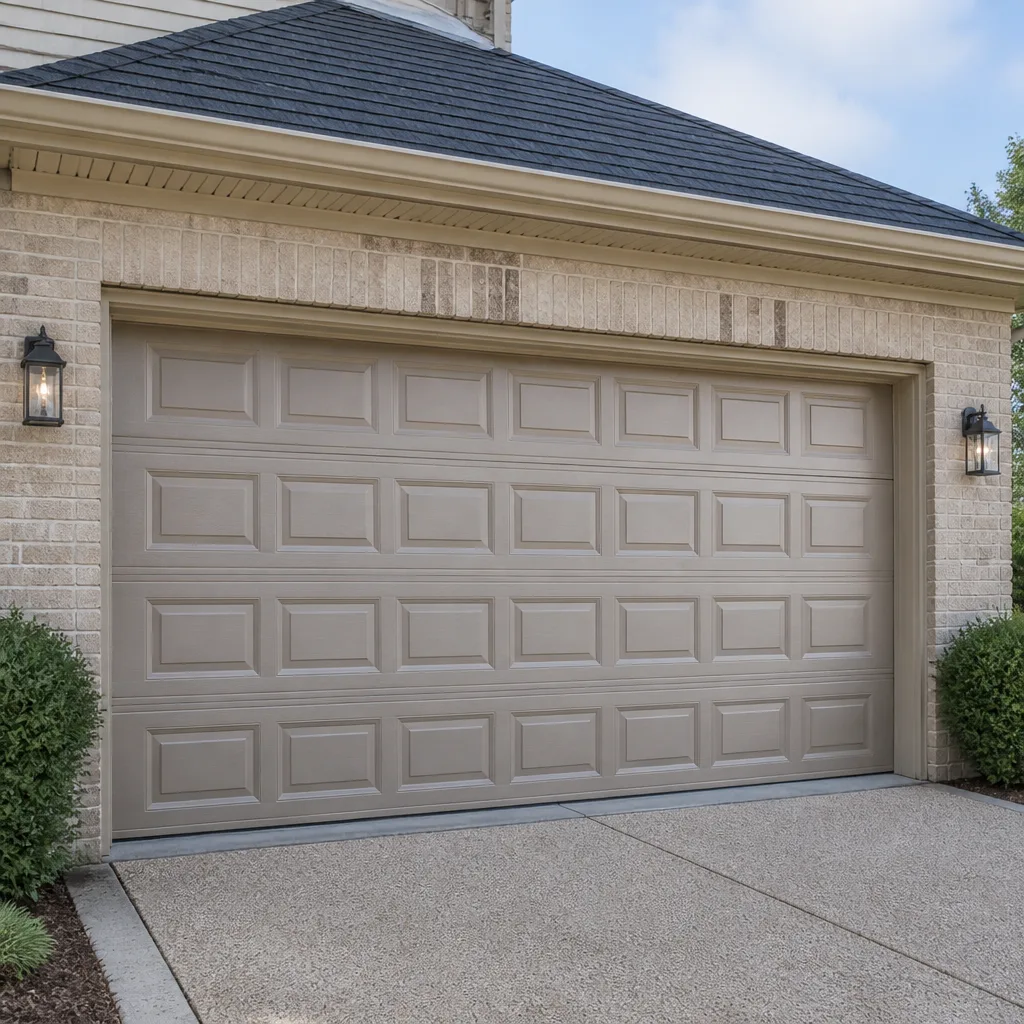 Raised-panel steel
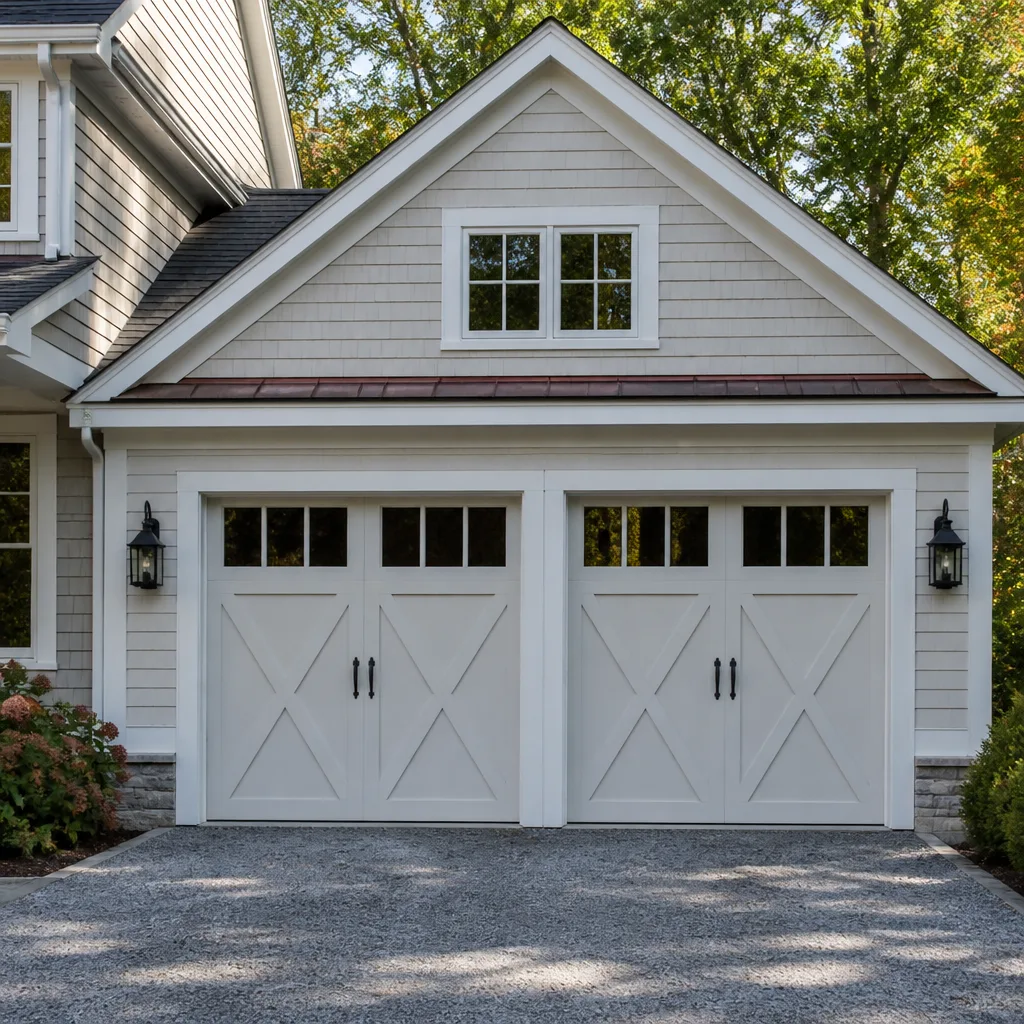 Carriage house
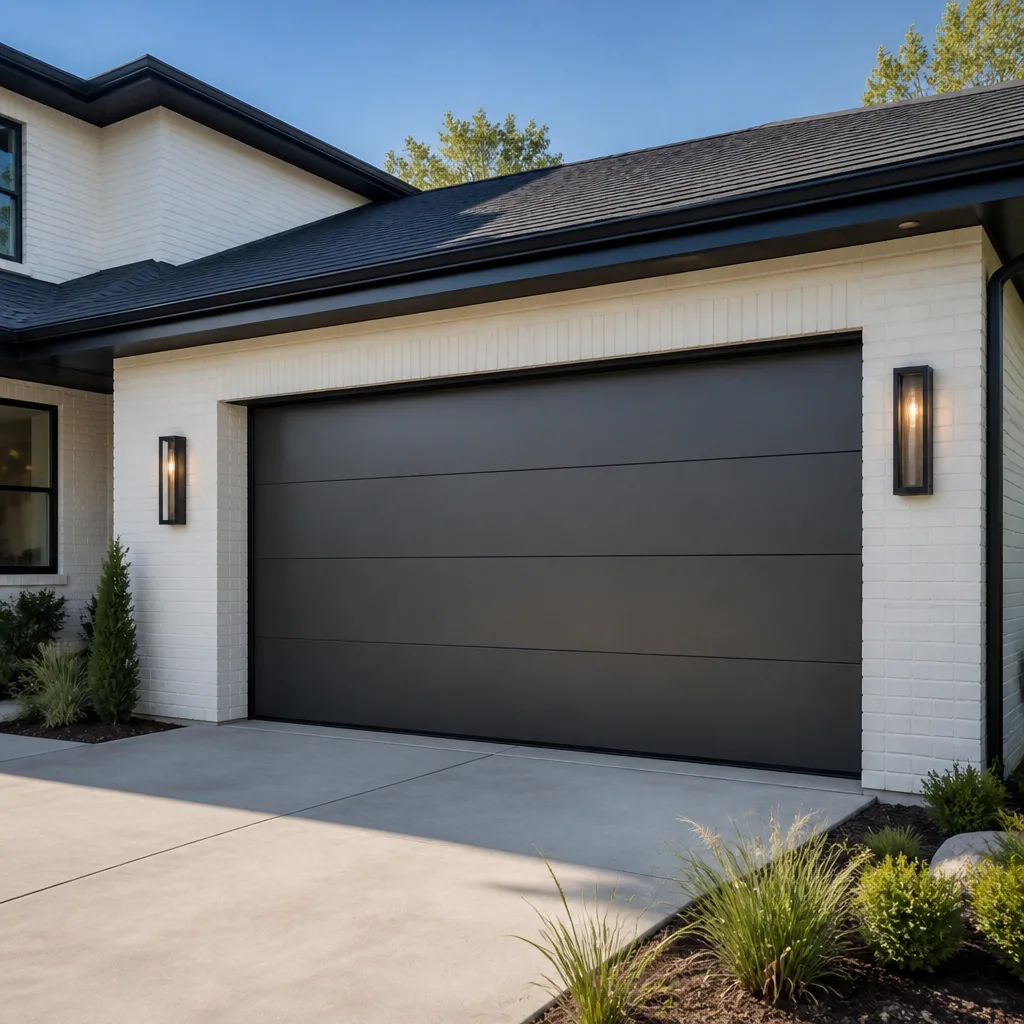 Modern flush
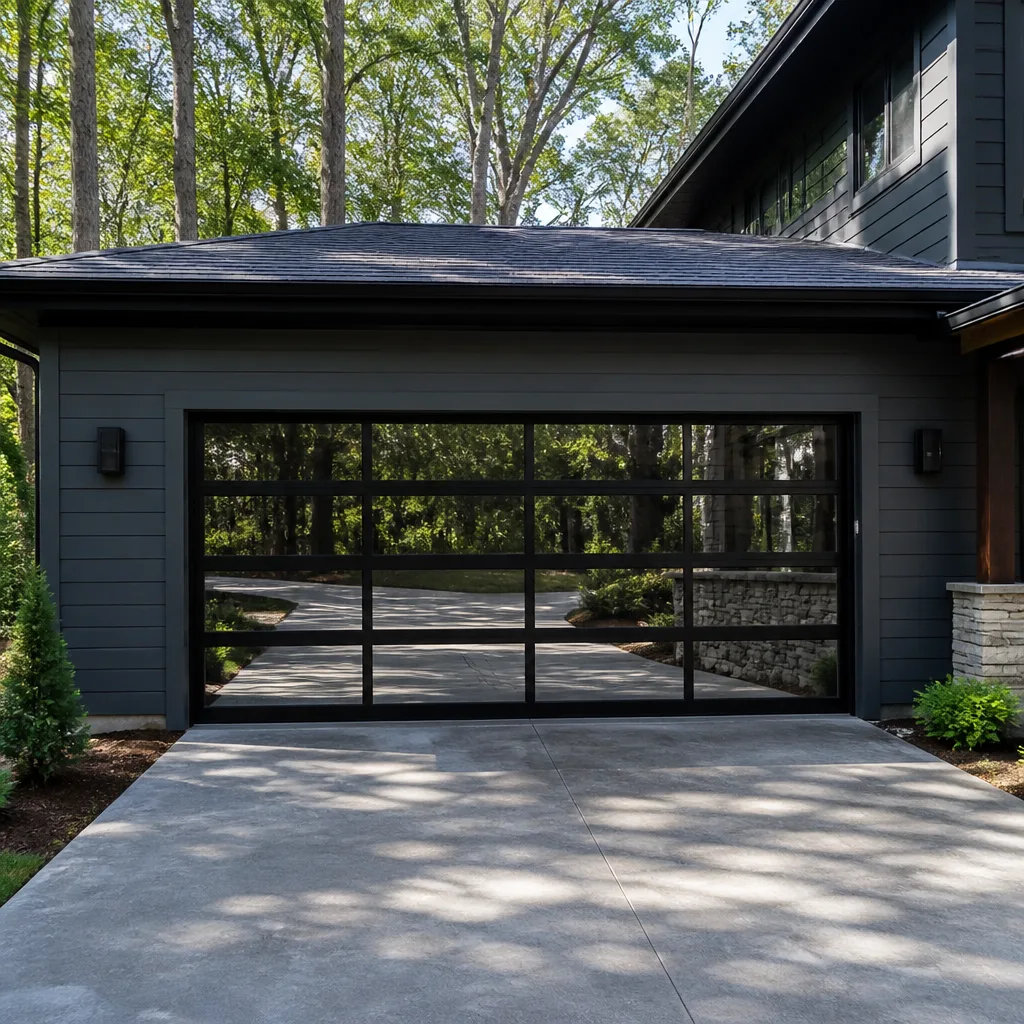 Full-view glass
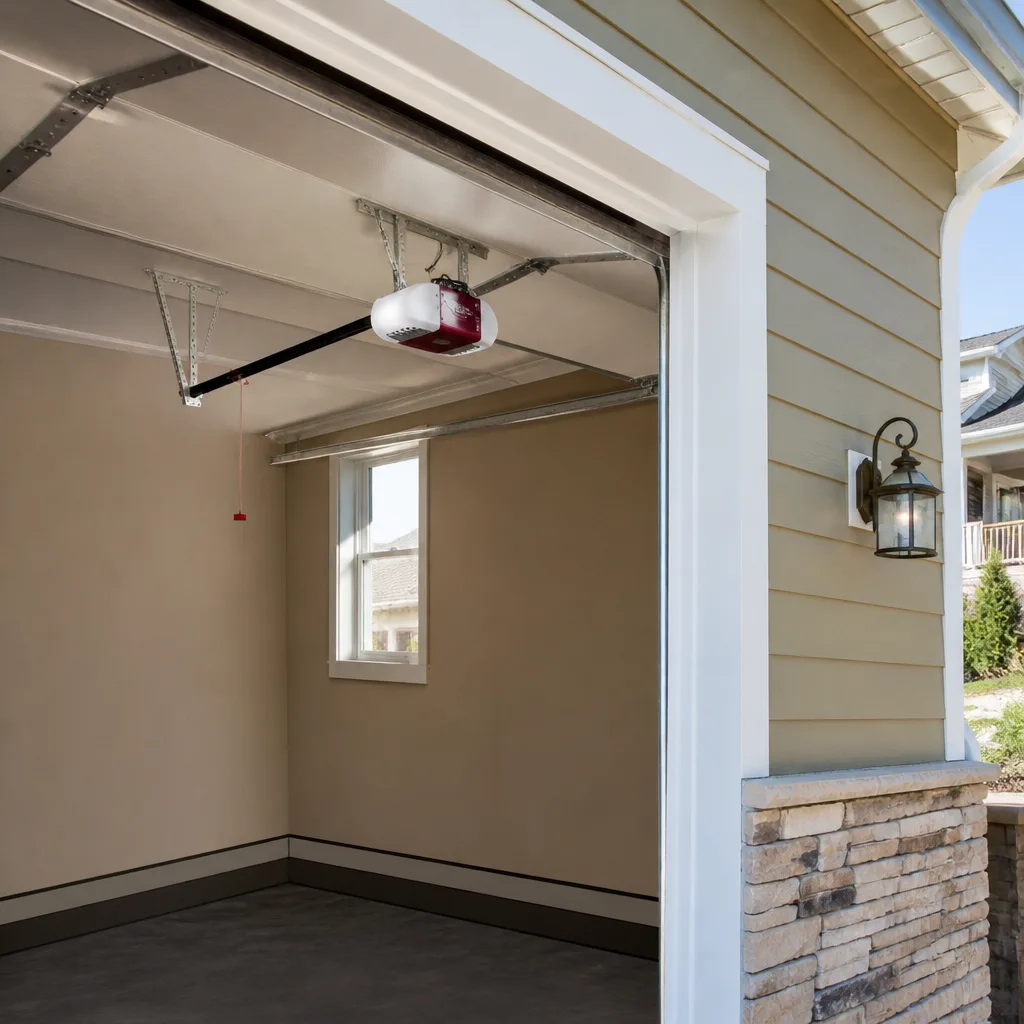 LiftMaster openers
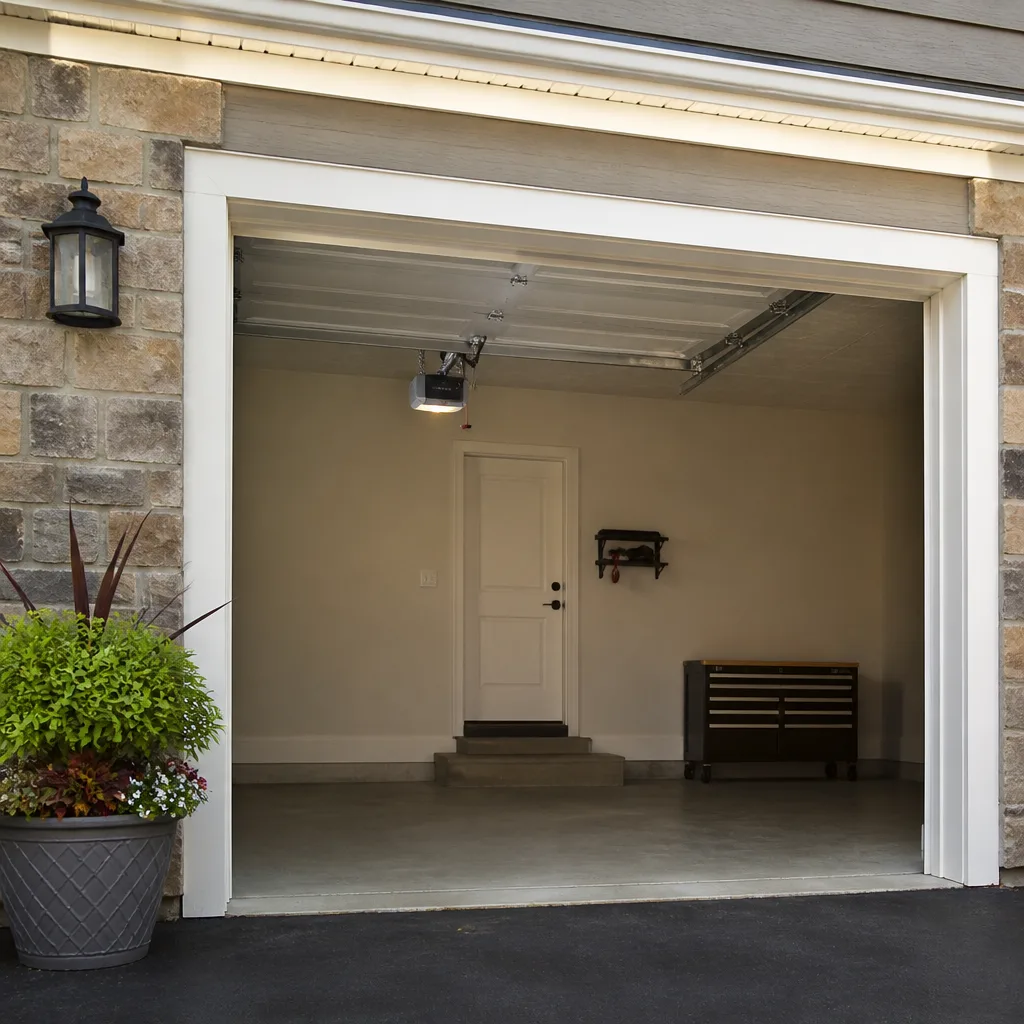 Chamberlain openers
Full 25-point door and opener safety check with every visit - springs, cables, rollers, tracks, and your LiftMaster or Chamberlain opener included
You get a price before we start. It does not change when the pro arrives.
Get your free estimateGarage Door Warning Signs: An Arlington Heights Homeowner’s Reference Guide
A garage door doesn’t snap a spring without warning. It rattles, slows, pulls to one side, or groans for weeks first. The warning just doesn’t mean anything if you don’t know what you’re hearing or seeing. Most Arlington Heights homeowners dismiss a grinding noise as “normal” right up until the cable lets go and the door won’t budge. This guide fixes that. We’ll map each symptom to the part that’s most likely causing it, separate the signs that mean “monitor it” from the ones that mean “stop using the door,” and give you enough vocabulary to make a calm decision instead of a panicked one. Everything here is described from what we see on residential doors across Arlington Heights and the surrounding northwest suburbs.
Styles & brands we work with
- Raised-panel steel
- Carriage house
- Modern flush
- Full-view glass
- LiftMaster openers
- Chamberlain openers
Quick Answer
The most reliable garage door warning signs are a door that reverses or stops partway, grinding or popping noises during travel, a door that looks uneven or sags on one side, springs that show visible gaps or stretch, and an opener that has become slow or inconsistent. Any symptom that combines noise with uneven movement usually points to the torsion spring, cable, or roller system and should be inspected before the door is used again. Symptoms that are cosmetic or isolated, like a single squeak or a scuffed bottom seal, can usually wait for a scheduled appointment.
Table of Contents
- Symptom-to-Cause Index: What Each Sound and Sign Means
- How to Spot Spring Wear Without Touching the Spring
- Out-of-Balance Door vs. Track Problem: Telling Them Apart
- Opener Behavior Changes and What They Signal
- Act Now vs. Monitor: Which Symptoms Are Urgent
- How Arlington Heights Weather Accelerates Wear
- When a Door Is Beyond Warning Signs
- Common Mistakes to Avoid
- When to Call a Professional
- Frequently Asked Questions
Symptom-to-Cause Index: What Each Sound and Sign Means
Sound is the earliest and cheapest diagnostic tool you have. A garage door is a moving assembly of springs, cables, rollers, hinges, and a track, and each of those parts makes a distinct noise when it starts to fail. Listen with the door closed and again with the door moving. The difference between a noise that travels with the door and one that happens only at the start or stop of travel narrows the cause considerably.
Common Sounds and Their Likely Sources
- Grinding during travel – usually worn or dry rollers, a bent track, or a torsion spring that has lost tension and is forcing the opener to work harder than it should.
- Popping or snapping at the start of a cycle – a torsion spring that is beginning to fail, or a loose hinge plate that shifts under load.
- Scraping metal-on-metal – track misalignment, a roller that has come out of the track, or a panel rubbing against the frame.
- Rattling that gets worse over weeks – loose bolts on the hinges and brackets, or a lifting cable that has slackened and is vibrating against the track.
- Loud bang from inside the garage – a torsion spring breaking. The door will be dead weight from that point forward and should not be operated.
- Humming with no movement – an opener motor running against a door that is jammed, disconnected, or locked by a broken spring.
What makes this list useful is context. A single rattle in an old Wayne Dalton door with a hundred thousand cycles on it says something different from the same rattle in a two-year-old installation. The noise tells you the location; the door’s history tells you how far along the wear is. If you can describe the sound and the timing to us, we can usually tell you which system to inspect and whether it’s safe to keep using the door in the meantime.
How to Spot Spring Wear Without Touching the Spring
Springs are where most garage door injuries happen, and they are also where the clearest visual warning signs exist. The good news is that you can assess spring condition entirely by looking, without reaching for, measuring, or adjusting anything. The torsion springs on most Arlington Heights doors are mounted on the shaft above the door panels; extension springs, if your home has them, sit alongside the tracks. If a spring has failed, the door will not lift normally and the opener will strain. If it hasn’t failed but is weakening, the signs are subtler.
Visual Signs That Need a Closer Look
- A visible gap in the coil. A torsion spring that has broken will show a clean separation in the winding. This is a confirmed failure and the door should be treated as locked out until it’s repaired.
- Springs that look stretched or uncoiled. Extension springs should stay tightly wound. A spring that has loosened or elongated is losing tension and is close to failure.
- Rust or dark discoloration along the coil. Corrosion weakens the steel and is common on doors exposed to freeze-thaw cycles and road salt tracked in from the driveway.
- Uneven paint or stress marks on the spring housing. A spring that has been worked hard shows it in the surrounding hardware.
- A door that feels unusually heavy when you lift the emergency release. If the door doesn’t hold itself open partway, the springs are no longer carrying their share of the weight. The door will be noticeably heavy to lift by hand and may drop.
One important caution: never put your hand into the spring, cable, or drum area to check anything. Torsion springs store enormous energy, and a spring under tension can release without warning. The visual check above is safe because it requires no contact. Anything past that point is a job for someone trained on the equipment. Our technicians have up to 13 years of experience working with springs, and we can source the right replacement for your door rather than forcing a generic part onto it. If you think you’re looking at a spring problem, garage door spring repair is the service to ask for.
Out-of-Balance Door vs. Track Problem: Telling Them Apart
These two conditions produce very similar symptoms, and homeowners usually call it “the door is crooked.” That description fits both, but the causes are different and so is the repair. Sorting them out before you call saves time and helps you describe the problem accurately.
A balance problem means the two sides of the door are pulling with unequal force. It usually traces back to springs that have lost tension at different rates, a winding that was set incorrectly at installation, or a cable that has stretched on one side. A track problem means the door’s path is obstructed or bent, so the panels can’t travel straight even though the springs are fine.
How to Tell Them Apart
- Watch the gap at the bottom. If one corner of the door sits noticeably higher than the other while the door is closed, that’s typically a balance issue. If the door closes flush but travels crooked on the way up, that’s more often a track issue.
- Look down the track from the floor. Stand about ten feet back and sight along the vertical tracks. A bend or a kink that should be a straight line is a track problem.
- Check the rollers. A roller that has jumped out of the track, or one that’s worn flat on one face, will hang the door on that side. Look at each roller where it meets the rail.
- Listen for the side of the noise. If the grinding or scraping comes from just one side, that track is the first place to look. If the noise comes from above the door, the springs or shaft are the more likely culprit.
- Test the door by hand with the opener disengaged. Only if the door is intact and no spring is visibly broken. Lift it partway. A well-balanced door stays where you leave it. If it drifts down on its own, the springs aren’t holding the weight.
An out-of-balance door puts stress on both the opener and the tracks, so leaving it alone tends to make the situation worse. A track problem left alone wears the rollers and the panels faster. Either way, the diagnosis is quick once someone is standing in front of the door. Our garage door repair work starts with precisely this kind of check, and the free estimate means you’re not paying to find out which one you have.
Opener Behavior Changes and What They Signal
The opener is the easiest component to blame and often not the one at fault. Most opener problems we diagnose turn out to be the door straining against a mechanical problem, and the motor is reacting to that load. But opener behavior on its own can also tell you a lot: a motor that is getting slower, reversing unexpectedly, or responding inconsistently has specific causes worth understanding. If you have a LiftMaster or Chamberlain opener, the logic board’s behavior after a fault is worth noting, because a single interruption can sometimes leave the travel limits slightly off.
Opener Symptoms Decoded
- Slower travel than it used to be – a motor working harder against a worn spring, a dry roller, or a sagging track. Also possible: a failing capacitor on an older unit, which will continue to degrade until the opener refuses to start.
- Reverses before it reaches the floor – an obstruction on the safety beam path, a travel limit that needs adjustment, or a door binding on one side.
- Reverses partway up – usually a sign of resistance the opener detects as a jam. It might be a mechanical bind or a worn spring; it’s rarely the opener itself.
- Inconsistent response to the remote – a battery, a signal issue, or, if the door also acts oddly from the wall switch, a logic board problem.
- Motor hums but nothing moves – the door is stuck, the emergency release has been pulled and left disengaged, a torsion spring has failed, or a manual lock is still engaged.
- Grinding inside the opener head – gear or sprocket wear. On belt and chain drives this can be repaired; on some sealed units it’s a replacement.
The important takeaway is that opener symptoms are almost never isolated to the opener. A Craftsman unit that has been fine for a decade and suddenly starts reversing on every cycle is telling you that something on the door has changed. Diagnosing the whole system rather than just the box on the ceiling is why a same-day visit usually resolves the problem in one trip. If the opener itself needs work, garage door opener repair is what to ask for.
Act Now vs. Monitor: Which Symptoms Are Urgent
The most useful thing this guide can do is tell you which warnings are emergencies and which are not. Getting that wrong in either direction costs you. Underreacting to a failing spring risks a door that stays down for days, or worse, a door that comes down unexpectedly. Overreacting to a squeak means a wasted service call and a jump in your pulse for no reason.
Act Now (Stop Using the Door)
- A visible break in a torsion spring – the door is now supported only by the opener, which is not built for that weight.
- A lifting cable that is frayed, slack, or visibly off its drum – cables under load can snap and cause serious injury.
- The door falls or drifts down on its own when you release it partway.
- A bang followed by the opener running but not moving the door.
- The door is stuck open. Leaving it open overnight is a security problem, and an open door also puts weight on the hinges and the opener’s drive system.
- Any sign the door is off its tracks, especially a panel that is hanging or where the roller has left the rail.
Monitor (Safe to Schedule)
- A single squeak or rattle that has not gotten worse over a week or two.
- A worn weather seal at the bottom of the door.
- A remote that occasionally needs a second press.
- Cosmetic dents in a panel that don’t affect the door’s travel.
- A door that’s slightly noisier than it once was but still opens and closes evenly.
If you’re not sure which column a symptom belongs in, the safe move is to stop operating the door and describe what you’re seeing. Call (877) 792-5722, and we can talk you through what to look at and whether it’s safe to keep using. We answer 24/7. Fast dispatch from 7am to 7pm, Sunday through Friday.
How Arlington Heights Weather Accelerates Wear
Garage doors in the Chicago suburbs don’t have an easy life. Arlington Heights sits in a climate with hard winters, wide temperature swings between seasons, and enough freeze-thaw action to test every moving part on the door more aggressively than in a milder region. That’s why warning signs here sometimes show up earlier than the manufacturer’s cycle count suggests they should.
The main mechanism is cycling and temperature. A torsion spring is steel under tension, and every open-close cycle works it a little. Winter cold makes the steel more brittle, and the temperature range between a summer afternoon and a winter morning is wide enough to flex the door’s metal panels and the tracks. Doors that open unevenly in one season often look fine in another, which can lull a homeowner into thinking the problem resolved itself. It didn’t; the spring is still aged, just under less load in the milder weather.
Road salt and grit tracked in on tires are the other factor. Salt dries on the rollers, hinges, and track, then pulls moisture in and corrodes the metal. Rusted rollers grind. Rusted springs lose their tension faster. The springs, cables, and hinges are the parts that suffer most. Good lubrication and an annual inspection go a long way in Arlington Heights, especially on doors facing north and taking longer to shed ice and snow. Our team handles doors across the village and the nearby neighborhoods, and the wear patterns we see are consistent enough that we can usually tell from a phone description alone whether an inspection is worth scheduling.
When a Door Is Beyond Warning Signs
Warning signs tell you a component is failing. There’s a related question homeowners eventually ask: is it worth repairing this door at all, or has the whole assembly gotten too old to keep chasing down problems? There’s no single answer, but there are indicators that make the case either way.
Signs Repair Is Still the Right Call
- The door has been mechanically sound until a single, isolated failure.
- The panels are straight and intact, and the only issue is the spring, opener, or rollers.
- The door matches the house and you’d want to replace it in kind.
Signs It’s Time to Talk Replacement
- Multiple problems showing up within a short window – a spring, then a cable, then a roller failure. A door that keeps failing is usually telling you the whole system is nearing the end of its working life.
- Panels that are bowed, heavily dented, or rusted through.
- A track that has been bent and straightened more than once. A track that’s been bent and re-straightened never runs quite true.
- An opener that’s reaching the end of its service life at the same time as the door hardware, where a matched door and opener package makes more sense than piecemeal repair.
Doors in Arlington Heights have a wide range of ages, from new construction to well-broken-in installations on blocks that have been here for decades. We carry the brands to match what’s already on your house: Clopay, Amarr, Raynor, and others, plus the openers that drive them. If a replacement is the smarter path, we’ll say so, but we’re just as happy to repair what you have if repair is the right call. When it’s time for a new door, garage door repair or a fresh installation both start with a free measurement and a written price.
Common Mistakes to Avoid
- Treating a failing spring as a “wait and see.” A spring that has visibly stretched or started to pop will not recover. Every cycle brings it closer to failure, and a snapped spring takes the opener out of position with it. Waiting gains you nothing.
- Assuming the opener is the problem. Most opener symptoms trace back to the door’s mechanics. Replacing the opener without checking the springs and tracks can leave you with a new opener straining against the same underlying issue.
- Oiling the tracks. Track rails should stay clean and dry. Lubricant on the track attracts grit and causes rollers to skid instead of roll, which accelerates wear. A dry cloth is usually the right tool for the track, and a proper garage door lubricant goes on the hinges, springs, and rollers.
- Adjusting the springs yourself. Torsion springs are wound to hundreds of pounds of force. This is the single most dangerous adjustment on a garage door, and it’s the repair most often botched by a homeowner with the best of intentions. Let a trained technician handle any spring work.
- Ignoring a door that reverses on its own. A door that reverses repeatedly without a clear obstruction usually has a travel limit or balance problem. Left alone, it will eventually stop opening at all.
- Disconnecting the emergency release and forgetting to reconnect it. This leaves the door disconnected from the opener, so a power-outage recovery mid-cycle can drop the door unexpectedly.
- Judging the door only in summer or only in winter. An Arlington Heights door can run fine in one season and struggle in the other. Checking it year-round catches the early signs that a seasonal glance would miss.
- Calling a general handyman for a spring repair. Springs, cables, and drums need the right tools and the right parts for the specific door. A generalized repair job is how doors end up with mismatched springs and repeat failures.
When to Call a Professional
Some problems are fine to observe and schedule. Others should stop using the door immediately. Call us when you see any of these: a visible break in a torsion spring, a door that won’t stay up on its own, a door stuck open or stuck closed, a frayed cable, a panel hanging off its track, or any loud bang followed by a door that no longer responds to the opener. Call for the smaller signs too, if they’ve persisted for more than a week or two, because that’s usually the point when a small repair becomes a bigger one.
Arlington Heights Garage Door Repair Co offers free estimates in Arlington Heights. Call (877) 792-5722. We answer 24/7. Fast dispatch from 7am to 7pm, Sunday through Friday. We’ll tell you what we find, what it will cost, and what the urgency actually is, so you can make the call with a clear head.
Frequently Asked Questions
Spring repair in the Arlington Heights area typically falls in the range of a few hundred dollars per spring for a standard residential door, and a matched pair is usually replaced together, which roughly doubles the cost of a single spring. The exact price depends on the spring size, the door’s weight, and how much other hardware needs attention once the door is opened up. The written estimate sets the final price, and estimates are free. Call (877) 792-5722 for an exact quote.
Yes. A door stuck open, a snapped spring, or any door that can’t be secured gets priority for same-day service. Call (877) 792-5722. We answer 24/7, and a call outside dispatch hours is booked into the next opening, Sunday through Friday, 7am to 7pm. Emergency garage door service is a real service we offer, not a marketing promise.
Not without your agreement. We quote and agree on a price before any work starts, so what you’re told on the estimate is what you pay. If we find an additional problem while working, we stop, explain it, and get your approval on the new number before we pick up another tool. The written estimate sets the final price, and no work happens without a signed price in front of you.
Manufacturers rate springs by cycle counts rather than years, and typical residential springs are rated somewhere in the range of tens of thousands of open-close cycles. A household that opens the door several times a day burns through those cycles faster than one that opens it once. The wide temperature swings of a northern Illinois year put more stress on the steel than a milder climate would, so springs here tend to show wear sooner. If your spring looks stretched or you’ve been hearing popping from above the door, have it checked rather than waiting for the rated life to run out.
The local pros we connect you with are state-licensed and insured as their state requires, and our technicians have up to 13 years of experience working with springs, openers, and full door systems. They’re trained on the major brands, so they’re not guessing at parts for your Craftsman opener or your Raynor door. When we show up, it’s with the right tools and the right parts for your system.
An out-of-balance door has springs or cables pulling unevenly, so one side lifts more than the other and the door may drift down on its own. A bent track forces the door off its path even though the springs may be perfectly fine, so it binds or scrapes on one side as it travels. The visual test is to sight along the vertical track from the floor; a bend is a track problem, and a check of the door’s bottom gap while closed points to balance. Either condition wears the rollers and the opener, so both are worth having looked at.
The Bottom Line
Warning signs on a garage door are almost never silent. The door tells you about a failing spring through popping, sagging, and weight; about a worn track through scraping and uneven travel; and about an aging opener through slower travel and reversing. The value of this guide is in the mapping: knowing that a popping sound points to the spring and a one-sided scrape points to the track saves you from calling the wrong person or waiting until the door fails outright. In Arlington Heights, the wide seasonal temperature swings mean the mechanical parts wear faster than in many parts of the country, so a door that’s been fine through a mild summer can start to struggle in a hard winter. Use the “act now vs. monitor” split as your decision framework. Anything in the “act now” column stops being used. Anything in “monitor” gets a call if it persists for longer than a week or two. Our technicians have up to 13 years of experience on the full range of doors and openers, and we handle everything from a single spring replacement to a full new-door installation. If you’re not sure which column your symptom belongs in, call and describe what you’re hearing. We’d rather talk you down than have you wait out a failing spring.
Ready to have your door looked at? Call Arlington Heights Garage Door Repair Co at (877) 792-5722 for a free estimate. We answer 24/7. Fast dispatch from 7am to 7pm, Sunday through Friday. If you’re looking for the full range of what we handle, take a look at Arlington Heights Garage Door Repair Co for an overview, and we’ll get you scheduled.
Written by the team at Arlington Heights Garage Door Repair Co.
See the difference
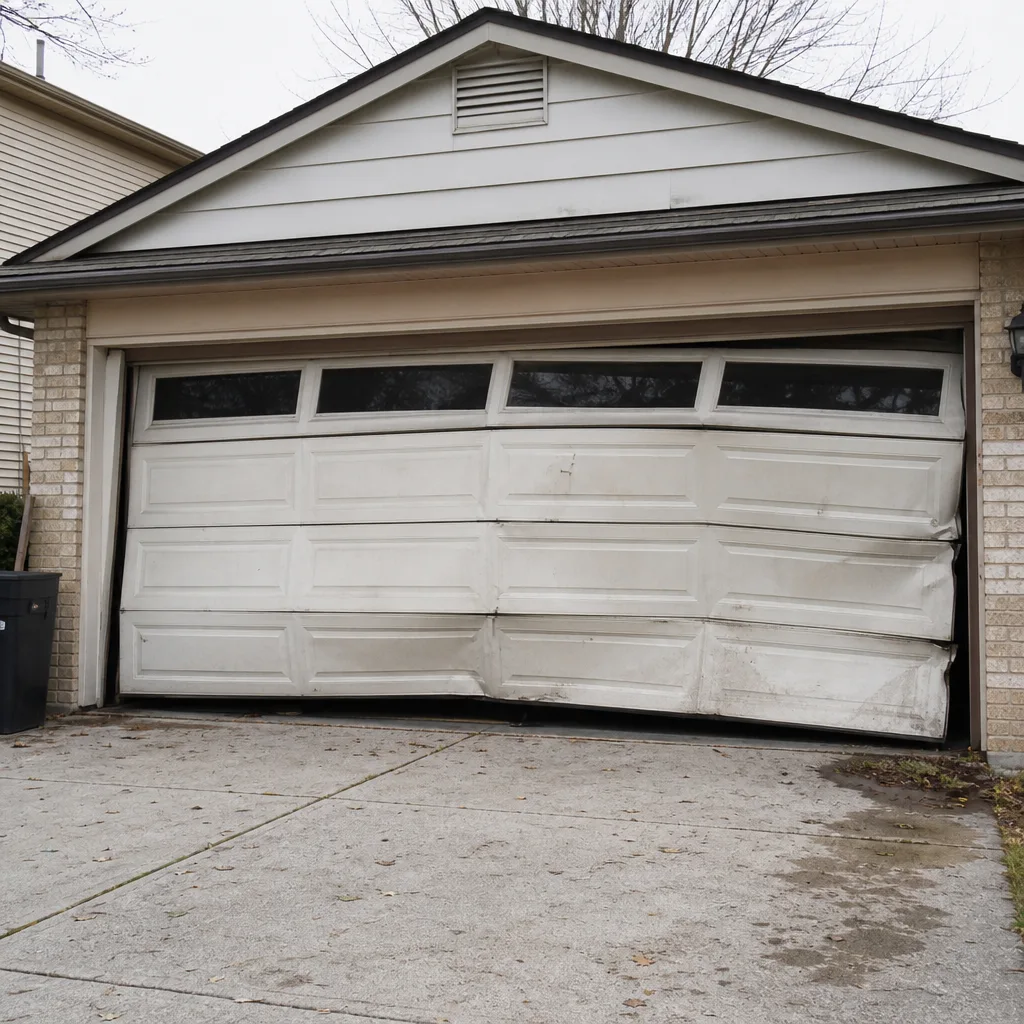 Before
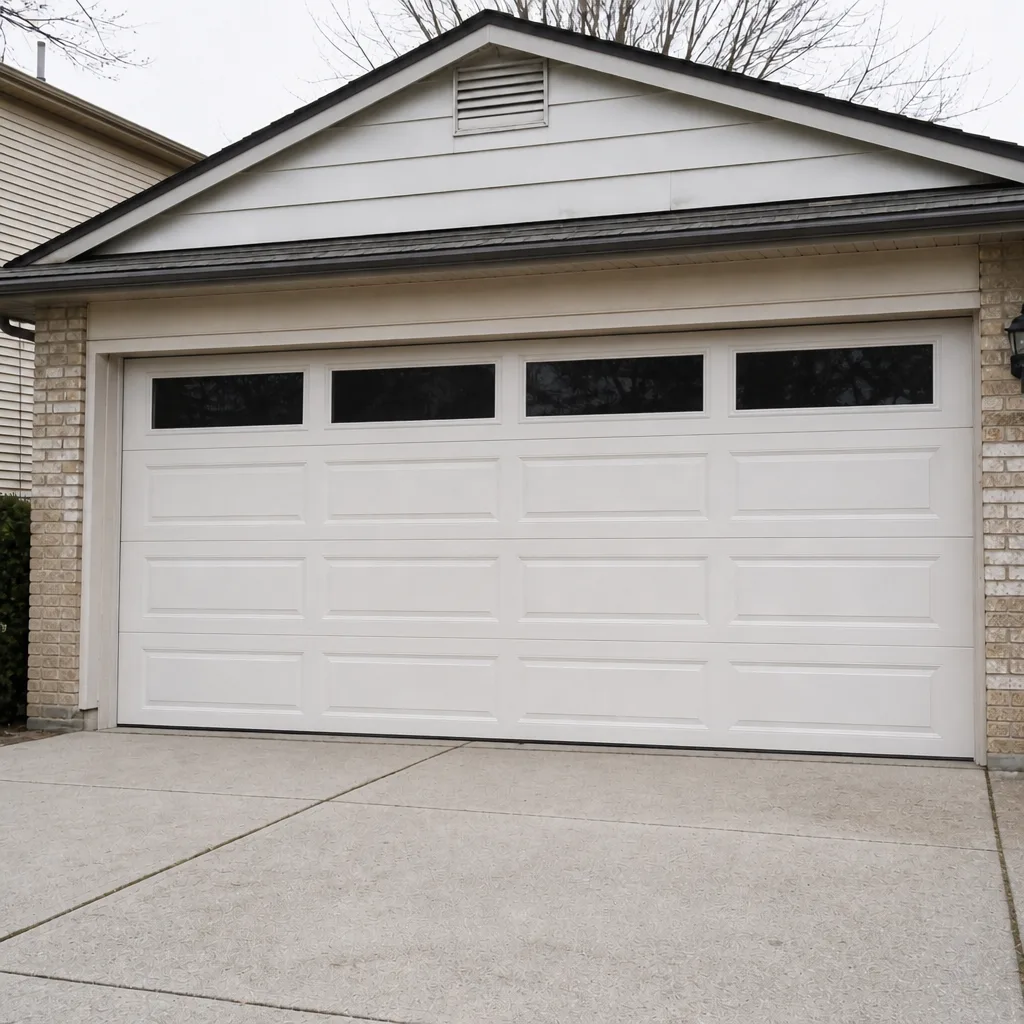 After
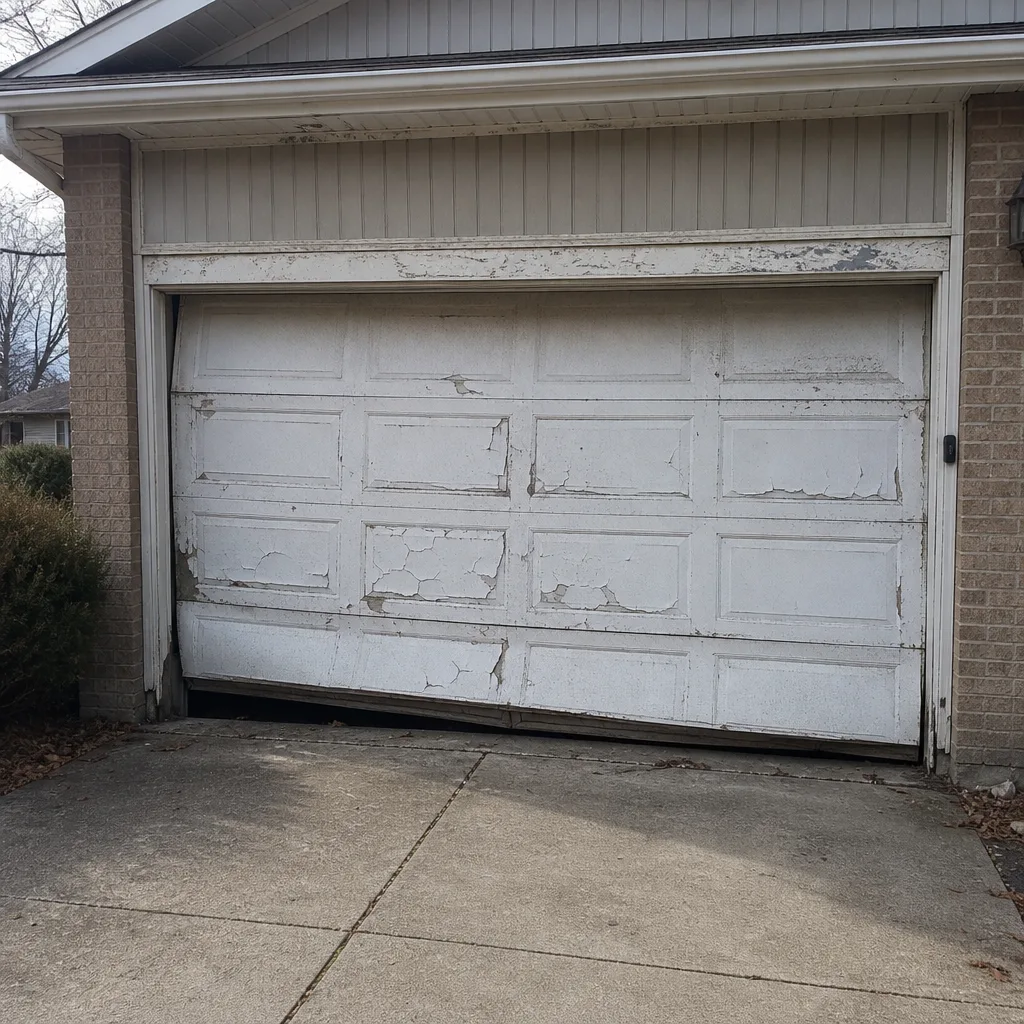 Before
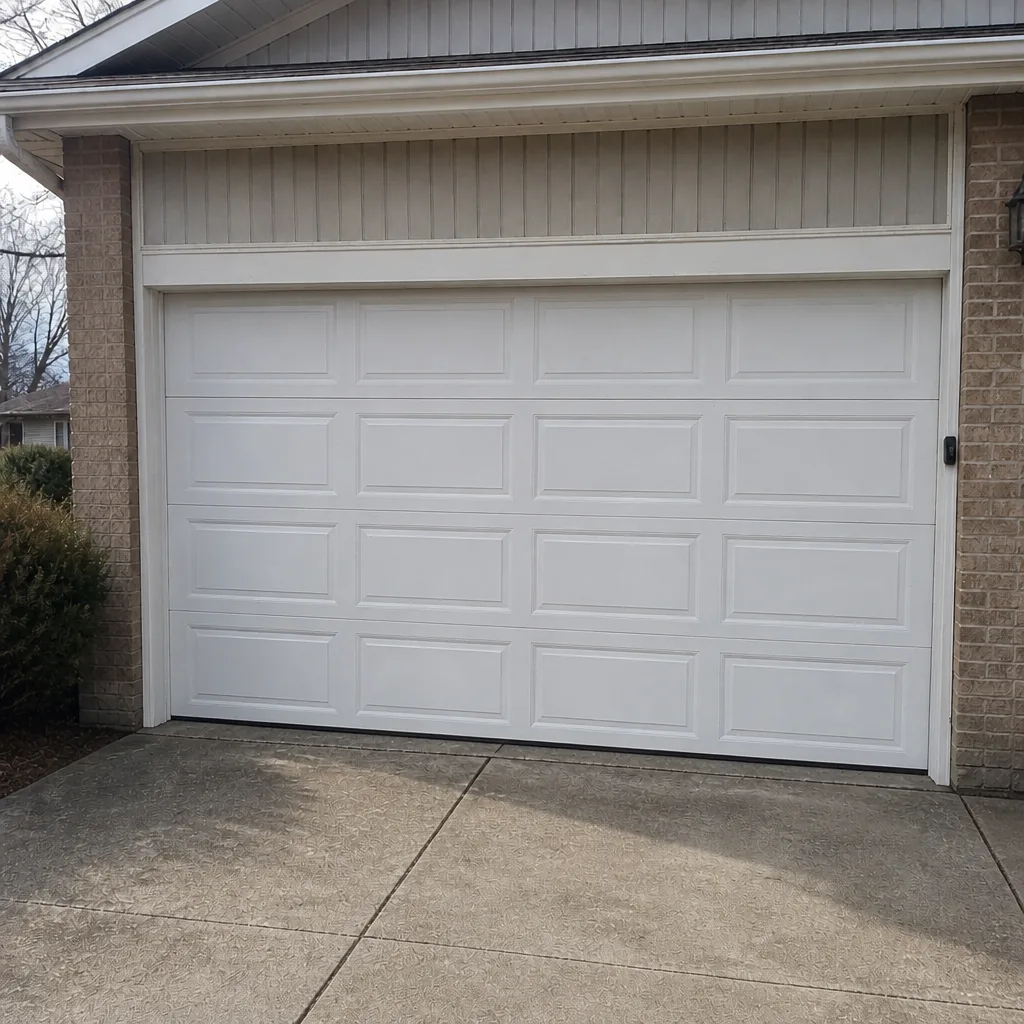 After
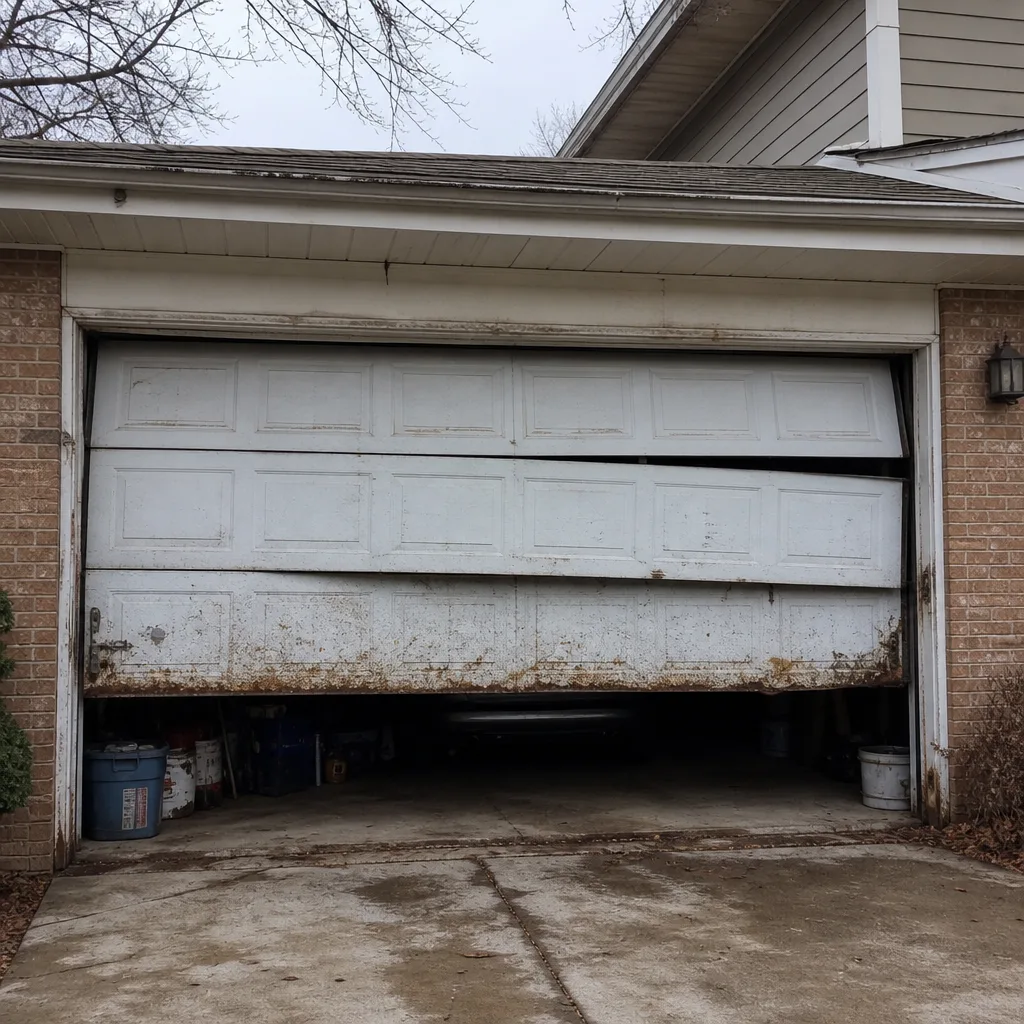 Before
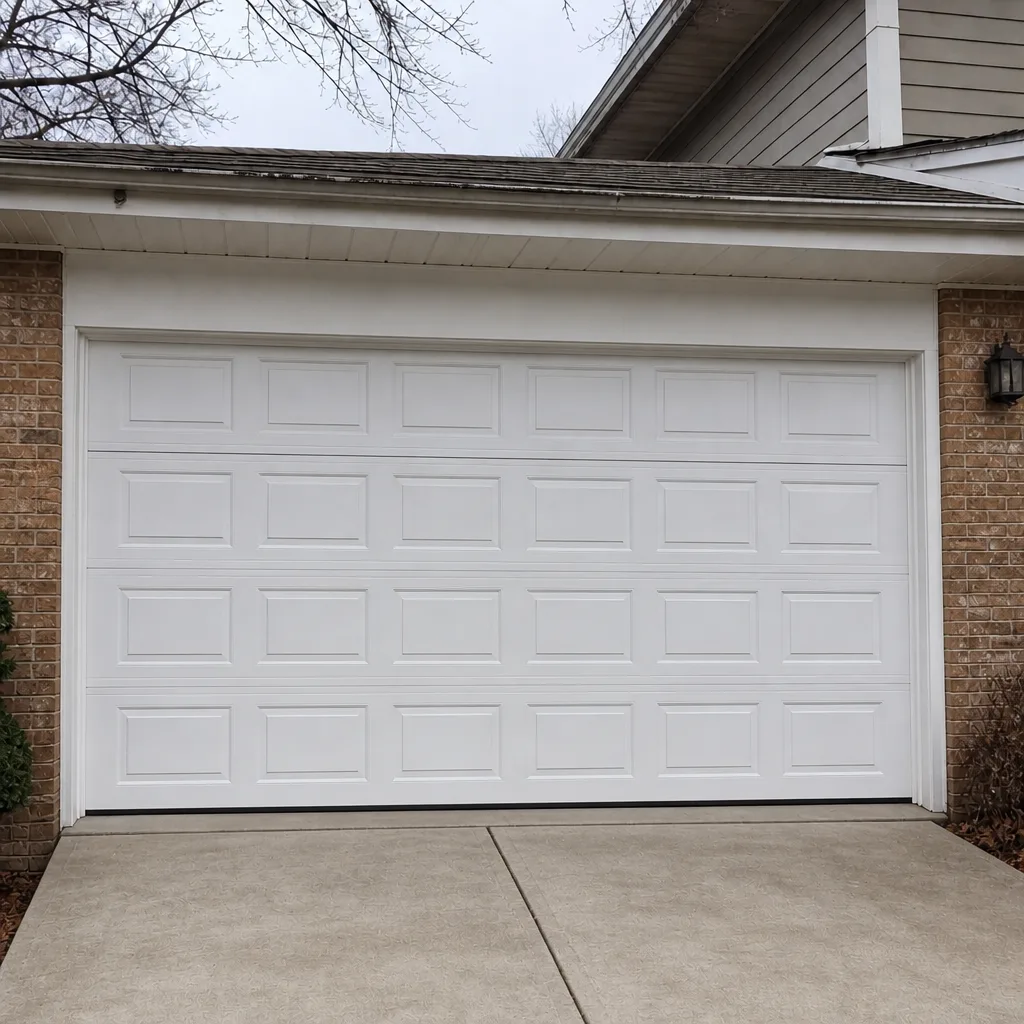 After