
Last updated November 23, 2026
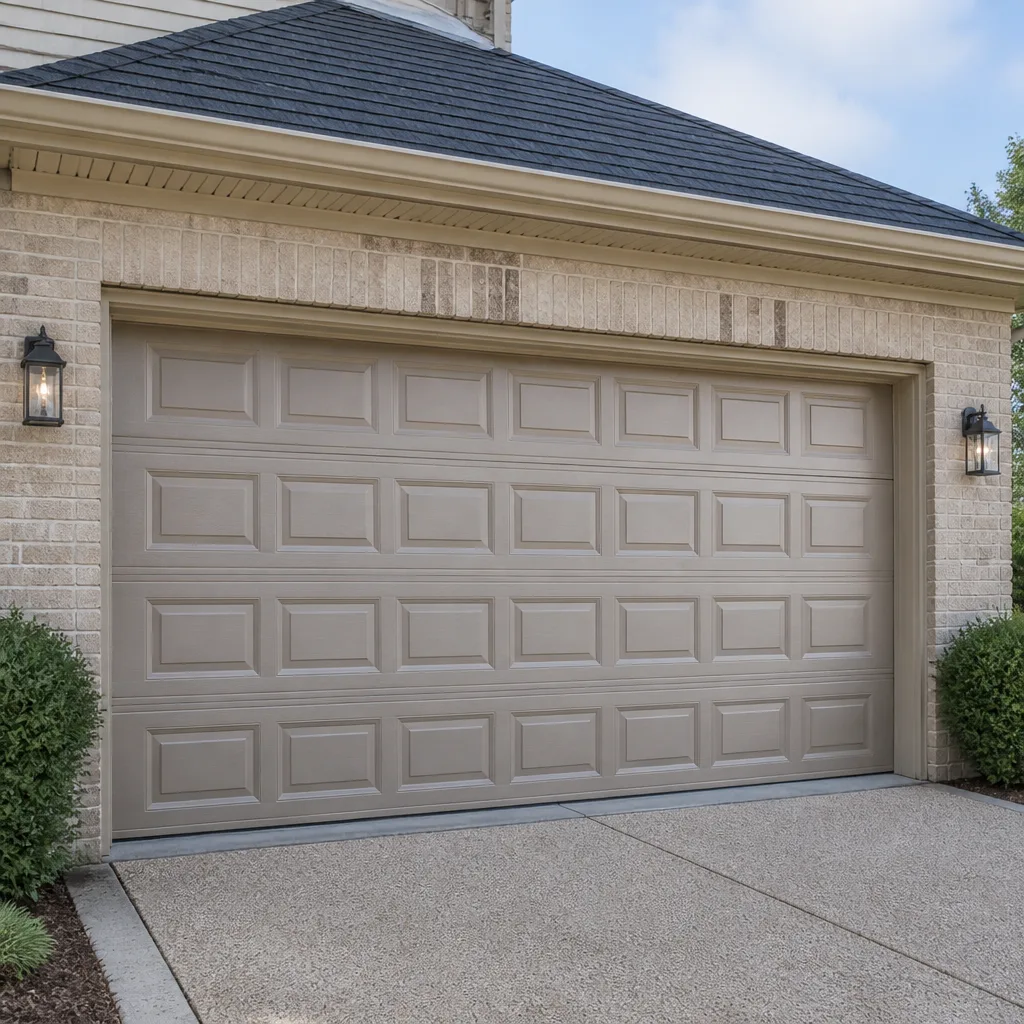 Raised-panel steel
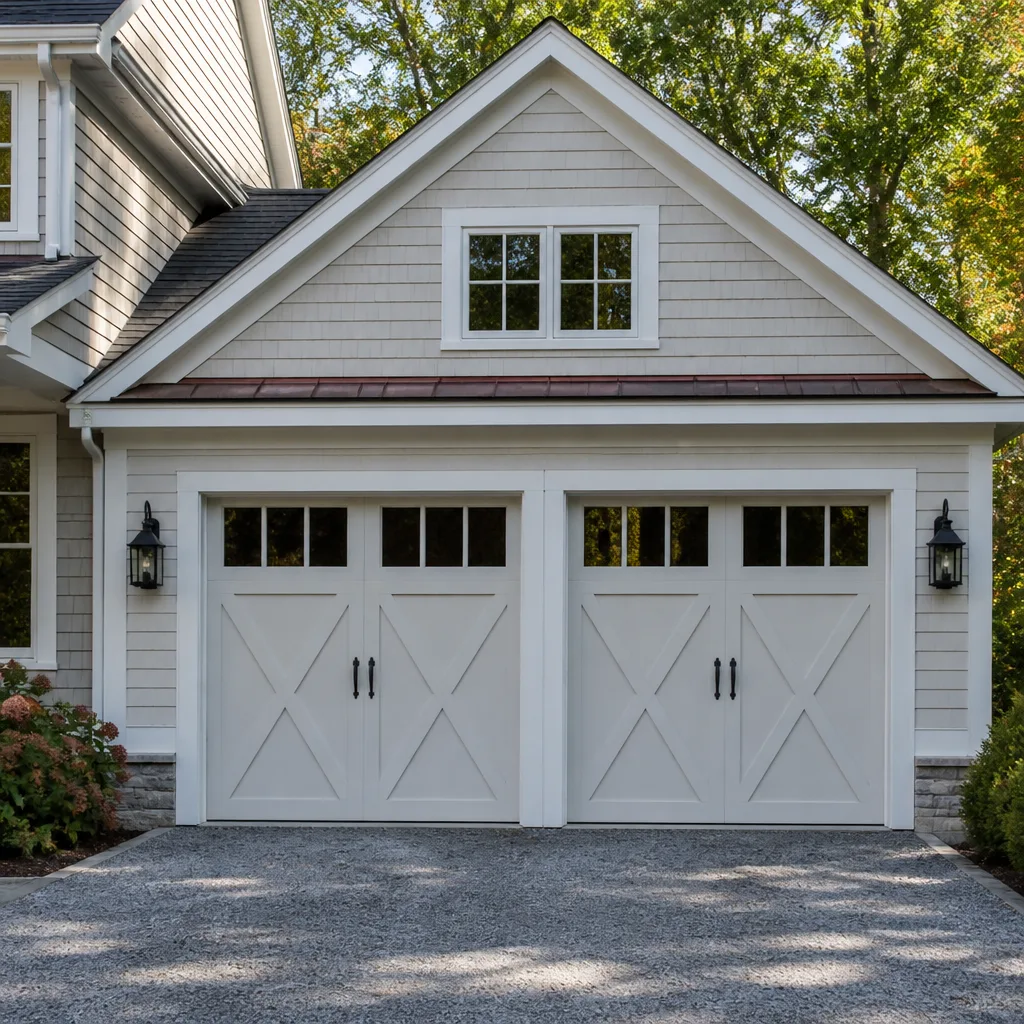 Carriage house
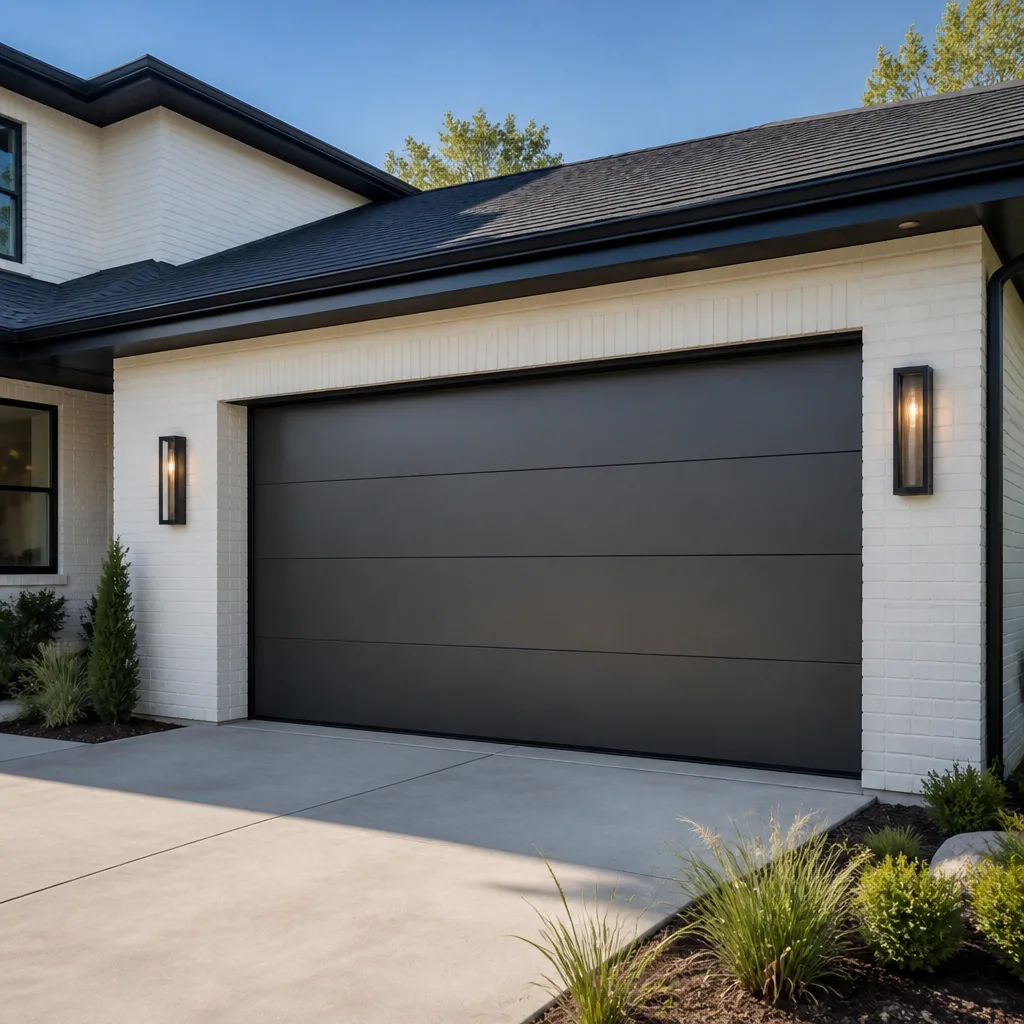 Modern flush
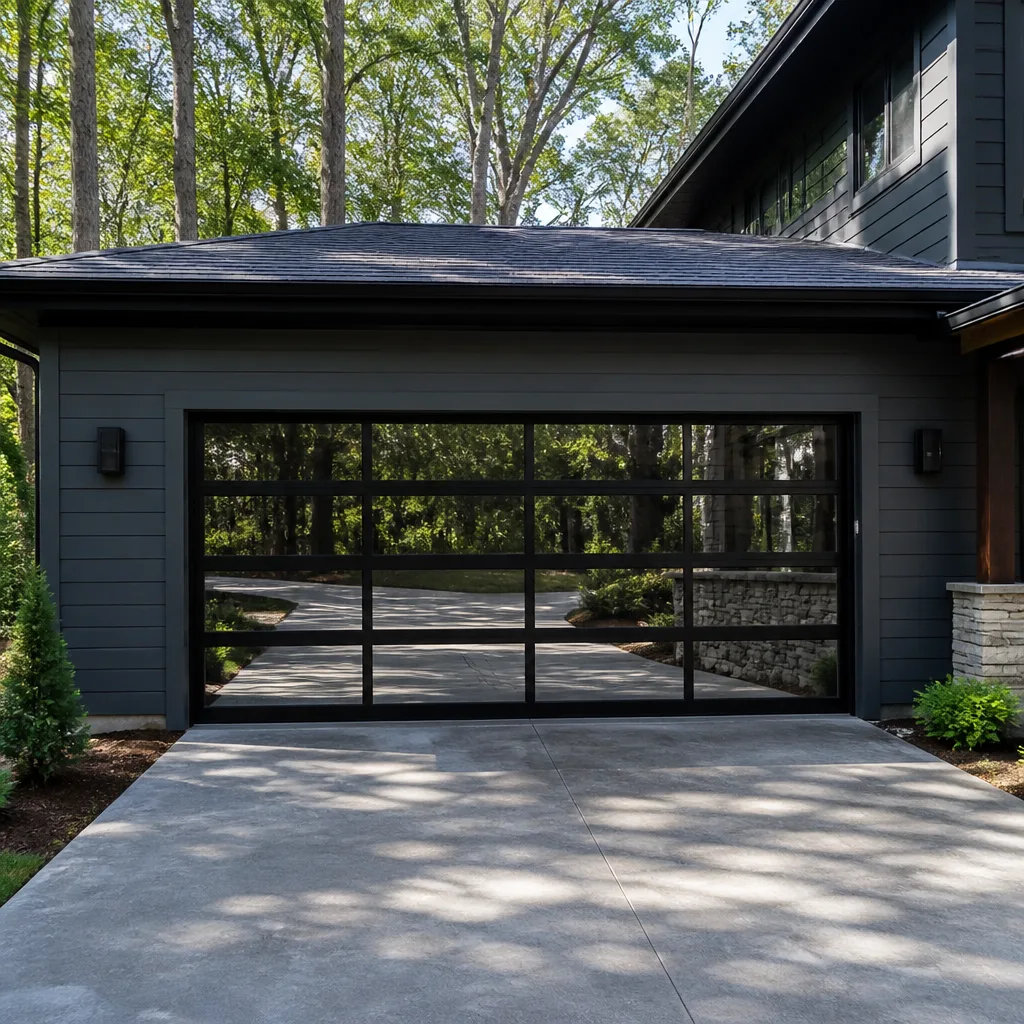 Full-view glass
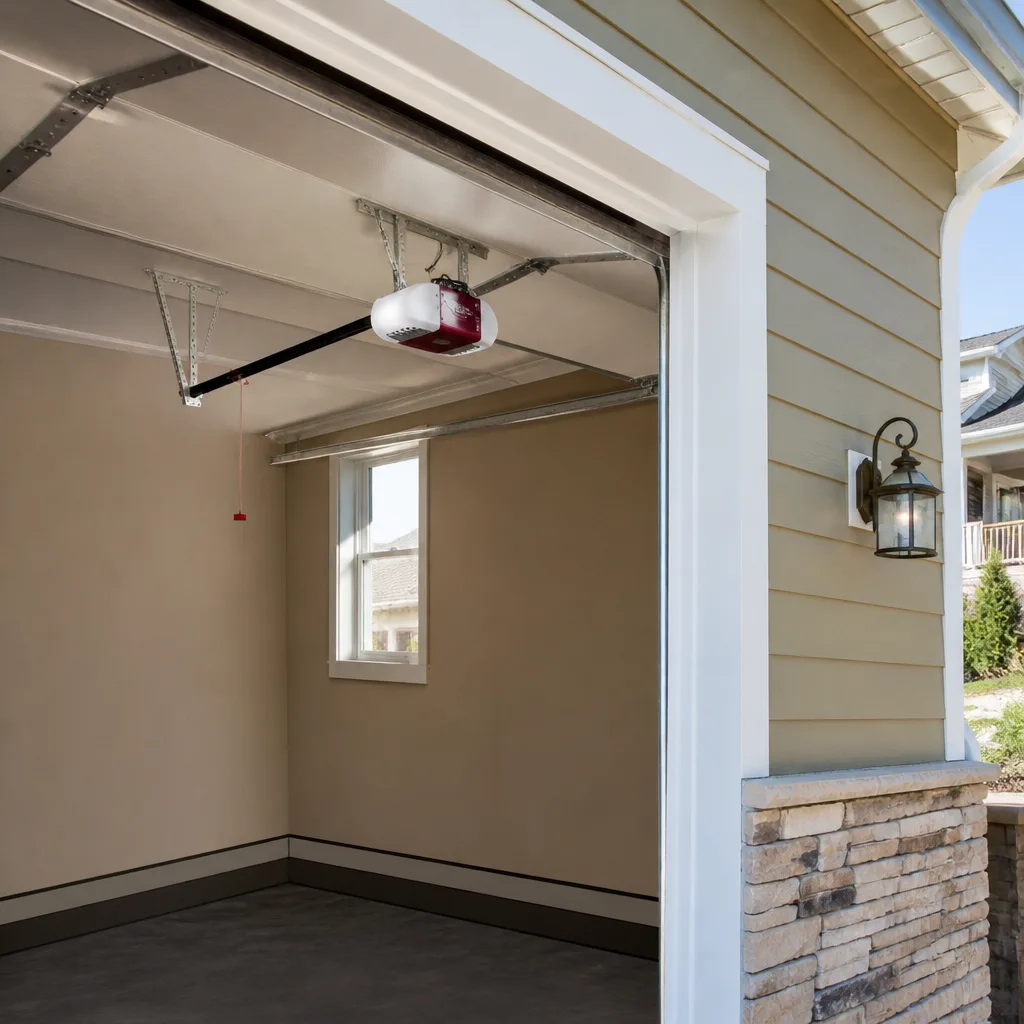 LiftMaster openers
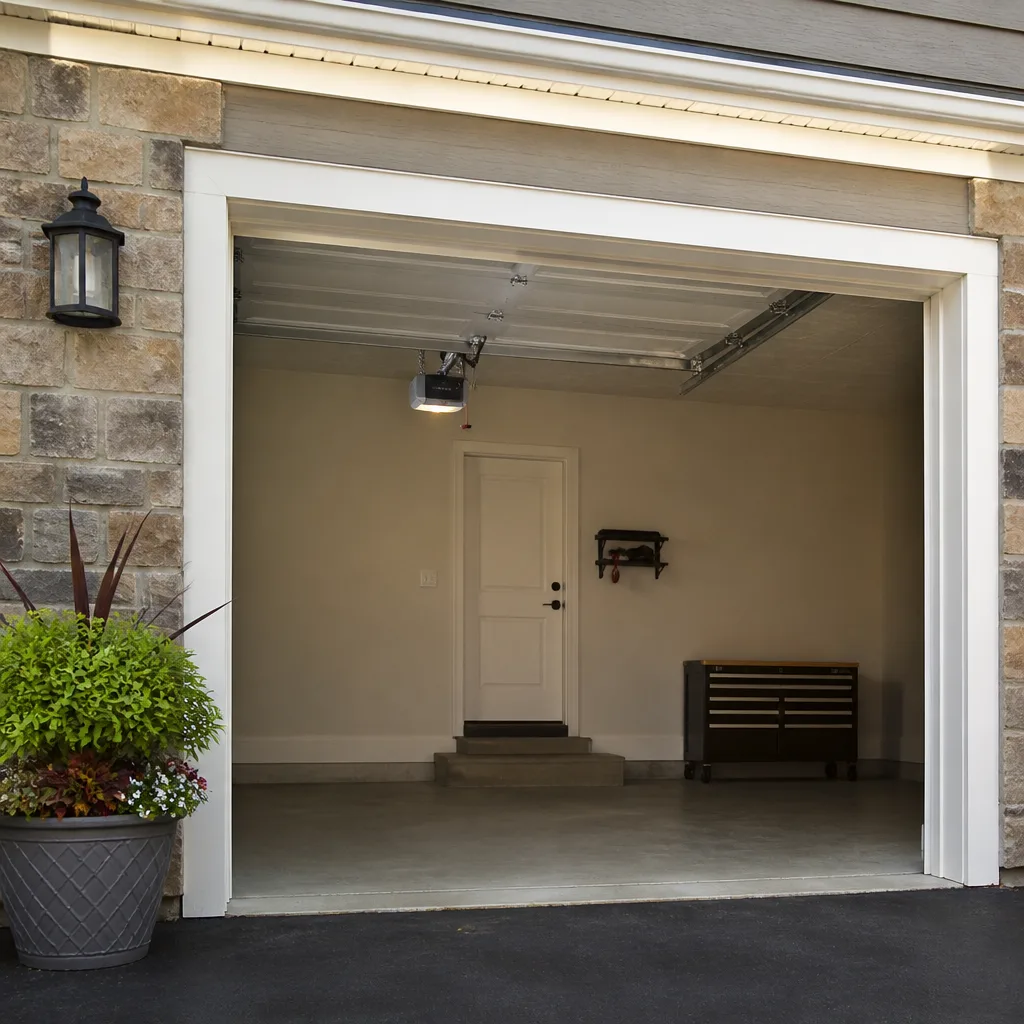 Chamberlain openers
Full 25-point door and opener safety check with every visit - springs, cables, rollers, tracks, and your LiftMaster or Chamberlain opener included
You get a price before we start. It does not change when the pro arrives.
Get your free estimateGarage Door Permits, Codes & Inspections in Arlington Heights, IL: What You Need to Know
Here’s what surprises most homeowners we talk to in Arlington Heights: a garage door permit isn’t triggered by cost, and it isn’t triggered by whether the old door still worked. It comes down to scope. Some door swaps are a straight replacement that never touches the Village permit desk. Others pull in structural, electrical, or fire-separation work that absolutely does. Get the scope wrong and the door goes in fine, but the paperwork gap follows the house to closing day. In this guide we’ll walk through how the Village of Arlington Heights treats garage door work, how Illinois fire-separation rules shape which doors you can install on an attached garage, what inspectors actually check, and the order to line up HOA approval and a municipal permit so neither one sabotages the other.
Quick Answer
In Arlington Heights, a like-for-like garage door replacement or an opener swap usually doesn’t require a building permit, but any work that changes the door opening, alters structure, adds or moves electrical, or touches the fire-rated separation between an attached garage and the house typically does. When in doubt, the fastest way to a real answer is a call to the Village of Arlington Heights Building & Life Safety Department, because the requirement hinges on your specific scope, not a blanket rule. Inspectors focus on clearances, opener safety features, and egress compliance, and you should confirm HOA architectural approval before you buy a door.
Styles & brands we work with
- Raised-panel steel
- Carriage house
- Modern flush
- Full-view glass
- LiftMaster openers
- Chamberlain openers
Table of Contents
- When Does a Garage Door Replacement Need a Permit in Arlington Heights?
- How Illinois Building Code Section R302 Affects Attached Garage Doors
- What Inspectors Actually Look At During a Garage Door Inspection
- HOA Approval vs. Municipal Permit: Which Comes First?
- How Unpermitted Work Affects Insurance and Resale
- Opener Safety Requirements and What Triggers Electrical Review
- The Step-by-Step Process for a Compliant Door Replacement in Arlington Heights
- How Arlington Heights Weather Affects Garage Door Condition and Timing
When Does a Garage Door Replacement Need a Permit in Arlington Heights?
A permit is usually required when the work goes beyond swapping a door, and it’s usually not required for a straight replacement of a door in the same opening with the same size and same type of hardware. The dividing line is scope, not the door’s price tag. Homeowners in Arlington Heights often assume the opposite: that because a new door is a big purchase, it must need a permit, or that because it’s “just a door,” it never does. Neither assumption holds up.
Think about what a permit is actually designed to catch. The Village wants to know that structural changes are safe, that electrical work meets code, and that the fire separation between an attached garage and living space hasn’t been compromised. So the trigger is any work that alters those things. Here’s the practical breakdown:
- No permit typically required: Replacing a door in the existing opening with the same dimensions, same track configuration, and same or equivalent hardware, along with a straight opener replacement using the existing wiring and mounting.
- Permit typically required: Widening or raising the opening, changing the header or structural framing, adding a new door where none existed, installing or relocating electrical circuits or outlets for an opener, or any work that changes the fire-rated wall or door between an attached garage and the house.
- Treated as repair work: Spring replacement, cable replacement, roller and hinge swaps, and panel replacement that doesn’t change the door’s overall structure.
- Depends on interpretation: Full door and track replacement where dimensions change slightly, or where a door type changes enough that the fire rating or structural load is affected.
Because that last category is where most confusion lives, the right move is a quick call to the Village of Arlington Heights Building & Life Safety Department before you order the door. Describe the exact scope: door size, whether the opening changes, whether the track and torsion system change, and whether any electrical work is involved. They’ll tell you what applies to your project. If you’re already scheduling a replacement, our garage door repair team can help you describe the scope accurately so you get a straight answer the first time.
How Illinois Building Code Section R302 Affects Attached Garage Doors
Illinois Building Code Section R302 governs fire separation between a garage and a dwelling, and it’s the reason the door you choose for an attached garage in Arlington Heights isn’t just a style decision. R302 sets requirements for how the wall and door separating an attached garage from living space must resist fire, so the door itself can carry a fire-rating responsibility. That’s why an inspector may care about what your door is made of, not only how it looks.
This is where insulated steel versus wood stops being a cosmetic choice. A wood door can be built and rated to meet the requirement, but it has to be specified that way, and the rating documentation matters. An insulated steel door from a manufacturer like Clopay or Amarr is often the cleaner path for an attached garage because the fire rating is engineered and labeled by the manufacturer, and there’s a paper trail that satisfies an inspector without debate. The point isn’t that wood is wrong. It’s that the rating has to be verified, and a generalist who grabs whatever’s on the shelf won’t know to check.
R302 also extends to the wall between the garage and the house, the door from the garage into the house if there is one, and the ceiling and floor assembly. When a garage door replacement gets flagged during an inspection, it’s often because the replacement door can’t demonstrate the fire rating the original had. If your home’s garage is attached and you’re changing door types, ask directly: does this door carry the rating my house needs? That single question prevents a lot of expensive backtracking. It’s also one of the reasons we’re careful about brand-matched parts: doors from Clopay, Amarr, Wayne Dalton, and Raynor are all specified with clear rating information, and technicians trained across those lines know where to find it.
What Inspectors Actually Look At During a Garage Door Inspection
If your project does require a permit and an inspection, knowing what the inspector checks removes the guesswork. The inspection is not a cosmetic review. It’s a safety review, and it’s fairly predictable once you know the list. Here’s what gets examined, in the order that matters:
- Fire separation. The inspector confirms the door and surrounding assembly meet the fire-rating requirement for an attached garage. This is often the first thing checked because it’s the hardest to fix after the fact.
- Opener safety features. The photo-eye safety sensors and the auto-reverse function are tested. A door that closes on an obstruction or a safety sensor that’s misaligned is a fail.
- Egress. If the garage has a door to the outside or to the house, the inspector verifies it opens properly and that egress paths from living space aren’t blocked or altered.
- Clearances. The door must clear the opening and travel without obstruction, and the track, springs, and hardware must be installed to the manufacturer’s specification.
- Electrical. If new wiring or outlets were added for the opener, the inspector confirms the electrical work meets code and is properly protected.
- Labeling and documentation. Manufacturer labels, fire-rating documentation, and the installation instructions for the specific door and opener are reviewed.
Notice that none of this is about whether the door looks nice. An inspector isn’t grading your curb appeal. They’re confirming the assembly is safe and code-compliant. A homeowner in Arlington Heights who’s had a door installed by a contractor who doesn’t understand attached-garage requirements will often find the opener safety test fails first, because the sensors were never aligned or the force settings were never adjusted. Proper installation and a passing inspection go together. When we handle a door, the safety features are set to spec from the start rather than adjusted after a fail.
HOA Approval vs. Municipal Permit: Which Comes First?
Here’s the order that saves the most time and money: HOA architectural approval first, then the municipal permit if one is needed, then order the door. Doing it in that order means you never buy a door your HOA rejects, and you never pull a permit for a project your HOA changes. Most homeowners in Arlington Heights with an HOA run into this the hard way, because the two approval tracks are completely separate and neither one knows about the other.
The HOA process is about aesthetics and community standards. Your association’s architectural review committee will typically want to see the door model, color, material, and how it matches the rest of the house and the neighborhood. They may have an approved color list or an approved manufacturer or finish. Get their written approval in hand before you commit to a door.
The municipal permit process is about safety and code. The Village of Arlington Heights cares about fire separation, structural integrity, and electrical work, not whether your door matches your neighbor’s. So the two approvals don’t overlap, and passing one doesn’t help you with the other. A few practical rules:
- Get HOA approval in writing before placing a door order. Verbal approval from a committee member is not the same as an approved architectural request.
- Then call the Village to determine permit requirements based on your final, approved scope.
- Keep both documents with your home records. You’ll want them at resale.
- Don’t assume an HOA approval satisfies the Village or that a Village permit satisfies your HOA. They’re independent.
If your door replacement also includes opener work, the electrical piece can pull in permit review even when the door alone wouldn’t have. Our garage door opener repair team can tell you whether the opener work is a straight swap or involves new wiring, which is often the deciding factor.
How Unpermitted Work Affects Insurance and Resale
Unpermitted garage door work is one of those quiet problems that doesn’t surface until it matters. It usually shows up in one of two places: an insurance claim after a door-related incident, or a home inspection when you’re trying to sell. Both are expensive to discover late. Neither is something to leave to chance.
On the insurance side, the connection is straightforward once you think about it. If a door-related incident occurs and the work that caused it wasn’t permitted or inspected, an insurer can point to the unpermitted alteration as a reason to reduce or contest a claim. This isn’t guaranteed in every case, and the outcome depends on the policy and the specifics, but it’s a real exposure. The insurer’s argument is that they priced a risk based on an inspected home, and the uninspected work changed that risk. The fire-separation angle makes this sharper, because a garage door that can’t demonstrate the required fire rating is a genuine safety gap, not a technicality.
On the resale side, the scenario is common enough to plan for. A home inspector flags a garage door that was installed without the required permit, and the buyer’s agent treats it as an open issue. That can delay a closing while the seller has to either pull a permit retroactively, get the work inspected, or negotiate a credit. In a market where Arlington Heights buyers are thorough about disclosures, an unpermitted garage door is a flag that invites more scrutiny of everything else.
The good news is that unpermitted work is fixable. The Village can tell you what’s needed to bring it into compliance, and a correction is usually far less painful than a surprise at closing. The point is to address it on your own timeline rather than under a sale contract. Keeping a permit and inspection record with your home documents is the cheapest insurance you’ll ever buy for a garage door project.
Opener Safety Requirements and What Triggers Electrical Review
Openers don’t usually require a permit on their own, but they carry safety requirements that inspectors and insurers care about, and certain opener work pulls in electrical review. Modern openers from brands like LiftMaster, Chamberlain, Genie, and Craftsman include two safety features that are effectively mandatory in practice: the photo-eye safety sensors that stop the door if something crosses the beam, and the auto-reverse function that sends the door back up if it meets resistance while closing. These features exist because a door that can’t detect an obstruction is a serious hazard, and any competent installation sets them correctly from the start.
So what actually triggers an electrical review? A straight opener swap that reuses the existing outlet, wiring, and mounting hardware is usually just a replacement. But if your project involves any of the following, expect the electrical scope to come into play:
- Adding an outlet where the garage ceiling didn’t have one, for a new opener.
- Relocating the opener to a new spot, which may require new wiring runs.
- Adding a smart opener or Wi-Fi module that needs a dedicated circuit or wiring changes.
- Installing a battery backup or new power source for the opener.
Notice that the trigger is the electrical work, not the opener itself. A homeowner who upgrades from an old screw-drive unit to a belt-drive LiftMaster on the existing wiring hasn’t necessarily triggered anything. A homeowner who adds a new outlet in the ceiling has. That distinction is worth making before you schedule the work, because it changes the permit answer. When in doubt, describe the wiring scope to the Village and let them tell you. If you’re weighing an opener upgrade, an experienced technician can tell you whether the existing circuit supports the new unit, which is often the deciding question. Openers themselves aren’t physically dangerous to replace in the way springs are, but the electrical work behind them deserves the same care, and we don’t suggest homeowners work on their own garage electrical panels or new circuits.
The Step-by-Step Process for a Compliant Door Replacement in Arlington Heights
Here’s the sequence that keeps a garage door project in Arlington Heights clean from start to finish. Following this order avoids the two most common time and money traps: buying a door the HOA rejects, and installing a door the Village would have inspected.
- Decide the scope. Is this a like-for-like replacement, or does it change the opening, structure, fire rating, or electrical? Write it down in plain language before you call anyone. If you’re not sure, describe it to a specialist.
- Get HOA approval. Submit the door model, color, material, and finish for architectural review. Get the approval in writing before ordering anything.
- Call the Village of Arlington Heights. Describe your exact, HOA-approved scope and ask whether a permit is required. Get the answer for your project, not for garage doors in general.
- Pull the permit if required. The permit application will typically require the scope, the specification of the door and hardware, and a description of any structural or electrical changes.
- Order the door and hardware. Match the door to the fire-separation requirement for an attached garage and confirm the manufacturer’s rating documentation is included.
- Schedule installation. This is a measured, scheduled job, not a same-day repair, so plan on ordering lead time. The written estimate you receive sets the final price before any work begins.
- Schedule the inspection. If a permit was required, arrange for the inspection after installation. Confirm everything passes and keep the record.
- Keep the paperwork. Store the HOA approval, permit, inspection record, and manufacturer documentation with your home records for resale.
The part homeowners most often skip is step 3, because they assume the answer. It’s worth saying clearly: for a garage door replacement in Arlington Heights, the requirement depends on your scope, and the Village is the authority. A specialist who’s done this many times can help you describe the scope accurately, which is often the difference between a clean answer and a follow-up call from the permit desk. If the scope does involve structure or a changed opening, our Arlington Heights Garage Door Repair Co team can walk you through what the Village will want to see.
How Arlington Heights Weather Affects Garage Door Condition and Timing
Arlington Heights sits in a climate with real seasonal swings, and those swings shape both the condition of your door and the timing of a replacement. Cold winters and freeze-thaw cycles work on garage doors in ways that mild climates don’t. Wood doors absorb moisture and can swell, warp, or delaminate at panel edges over time. Steel doors handle the cold well but can be vulnerable to dents and impact damage, and the springs that lift the door cycle more in cold weather, which shortens their service life. A door that’s been through several Arlington Heights winters will often show its age on the panels and the springs long before the frame does.
Timing matters too. A door replacement is a measured, scheduled job, and the window you order in affects the window you install in. Ordering a door in the fall usually means you’re installing in cooler weather, when the door is stiffer and the opener’s force settings need more attention. Ordering in spring means installation in warmer weather, when everything moves more freely. Neither is wrong, but the seasonal plan matters, and so does the humidity. An attached garage with a door that doesn’t seal properly can let in cold air, moisture, and in summer, humidity that stresses wood doors. Insulated steel doors from Clopay or Amarr help manage that, but the seal and weatherstripping matter as much as the door itself.
The other local consideration is snow and ice. Snow that piles against a garage door, or ice that forms along the bottom seal, puts load on the door’s bottom section and can damage it if the door is opened through it. Clearing snow from around the door before opening it is a simple habit that prevents panel damage. When you do replace a door, choosing a section with a reinforced bottom and good weatherstripping helps it survive the seasons. That’s a detail a specialist checks and a generalist often doesn’t.
Common Mistakes to Avoid
- Assuming a permit is never needed. Homeowners in Arlington Heights often skip the permit question entirely because the door is “just a replacement.” When the scope involves structure, fire separation, or electrical, the assumption costs them. Ask the Village first.
- Getting HOA approval after ordering the door. The door arrives, the HOA rejects the color, and now you’re paying to return or repaint. Get the approval in writing before you order.
- Choosing a door without confirming the fire rating. An attached garage in Arlington Heights has a fire-separation requirement under R302, and a door that can’t demonstrate the rating will fail an inspection. Confirm the rating before you buy.
- Letting a generalist install the door. A contractor who doesn’t know Clopay, Amarr, Wayne Dalton, or Raynor specifications will guess at the fire rating and the hardware. The guess shows up at inspection.
- Ignoring opener safety settings. A door that closes on an obstruction is a fail and a hazard. The photo-eye sensors and auto-reverse must be set correctly, not just installed.
- Skipping the inspection. If a permit is required, the inspection is part of the deal. Skipping it leaves an unpermitted project behind the walls of your home.
- Tossing the paperwork. HOA approval, permit, and inspection records get lost in a drawer. Keep them with your home records for resale, because a buyer’s inspector will look.
See the difference
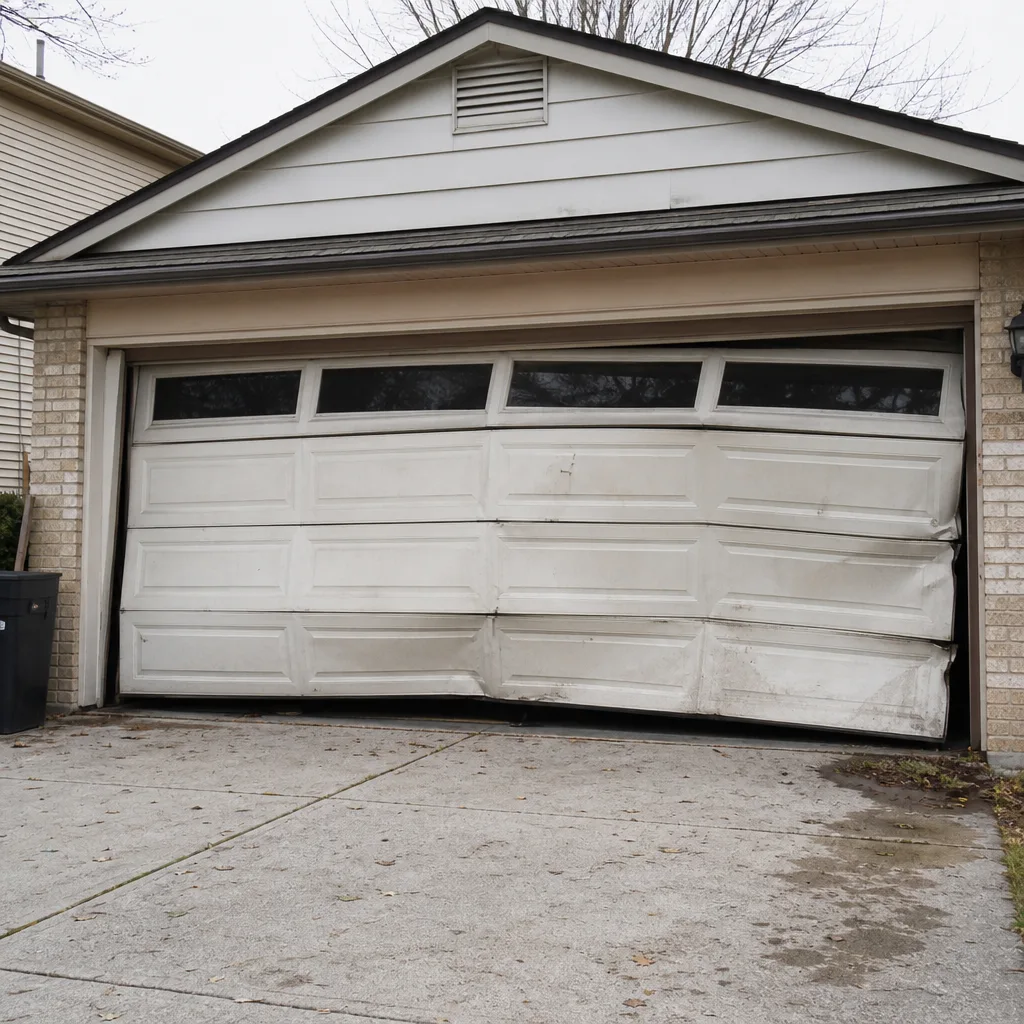 Before
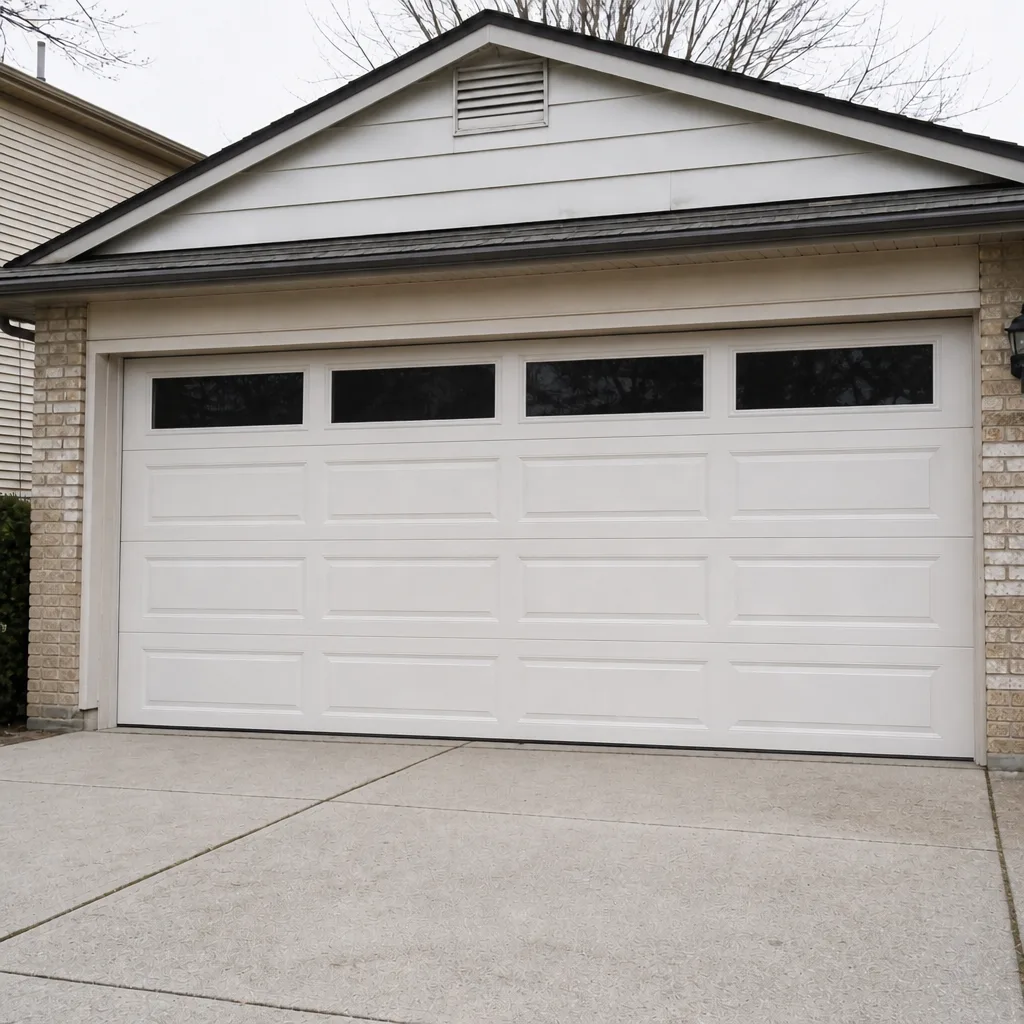 After
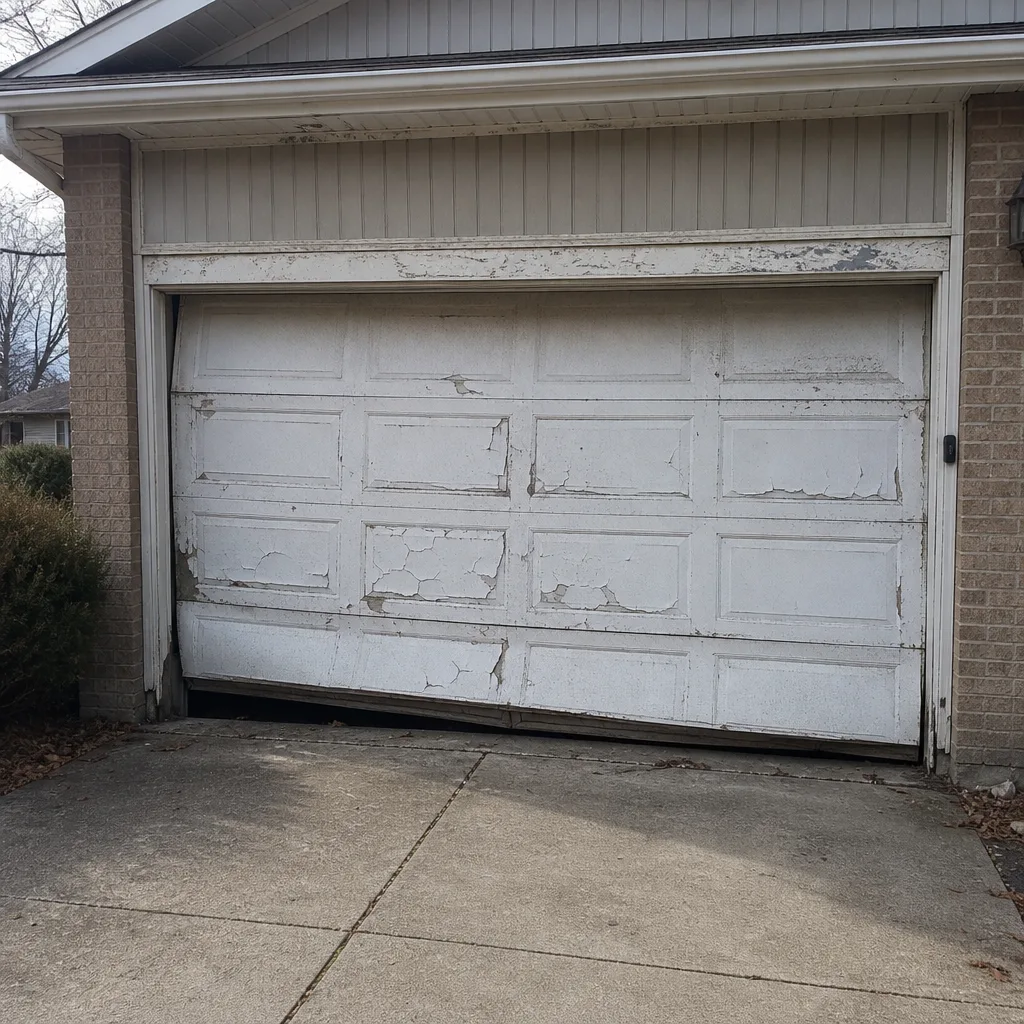 Before
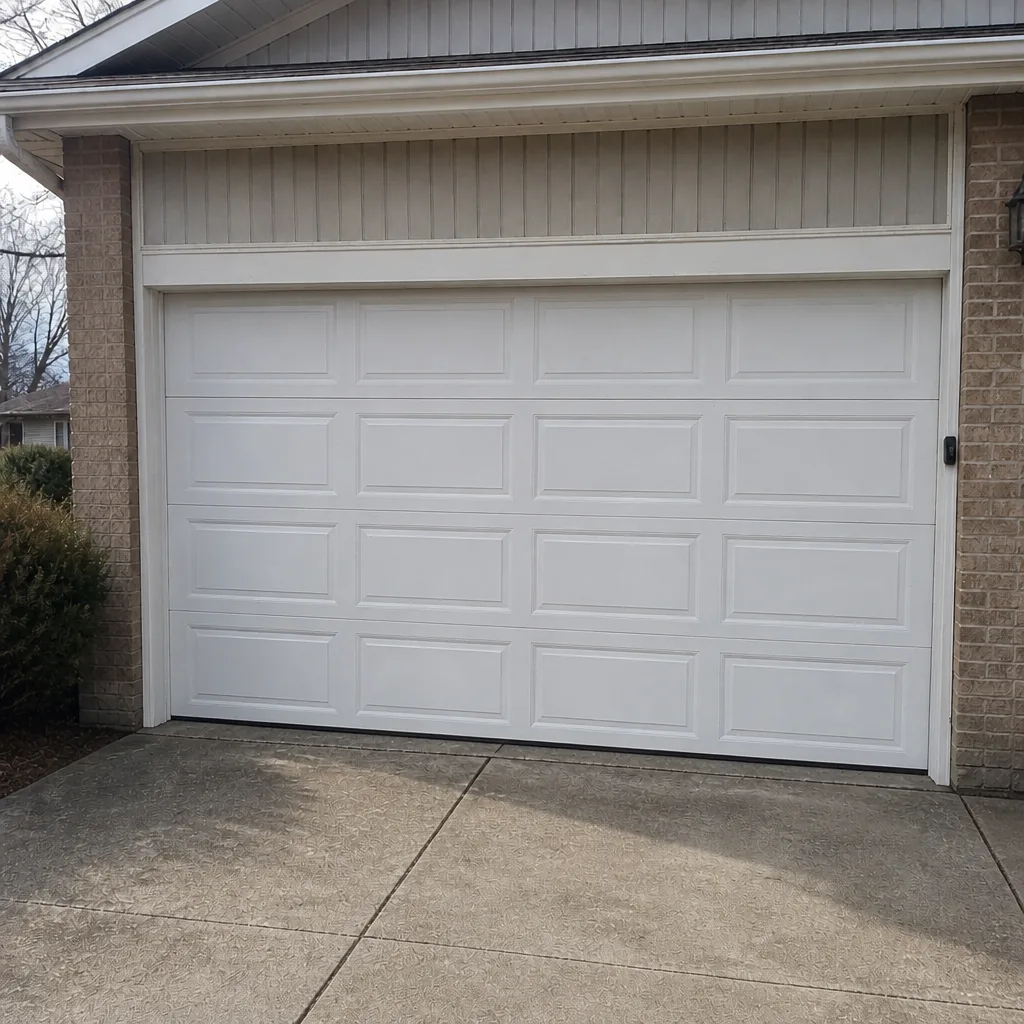 After
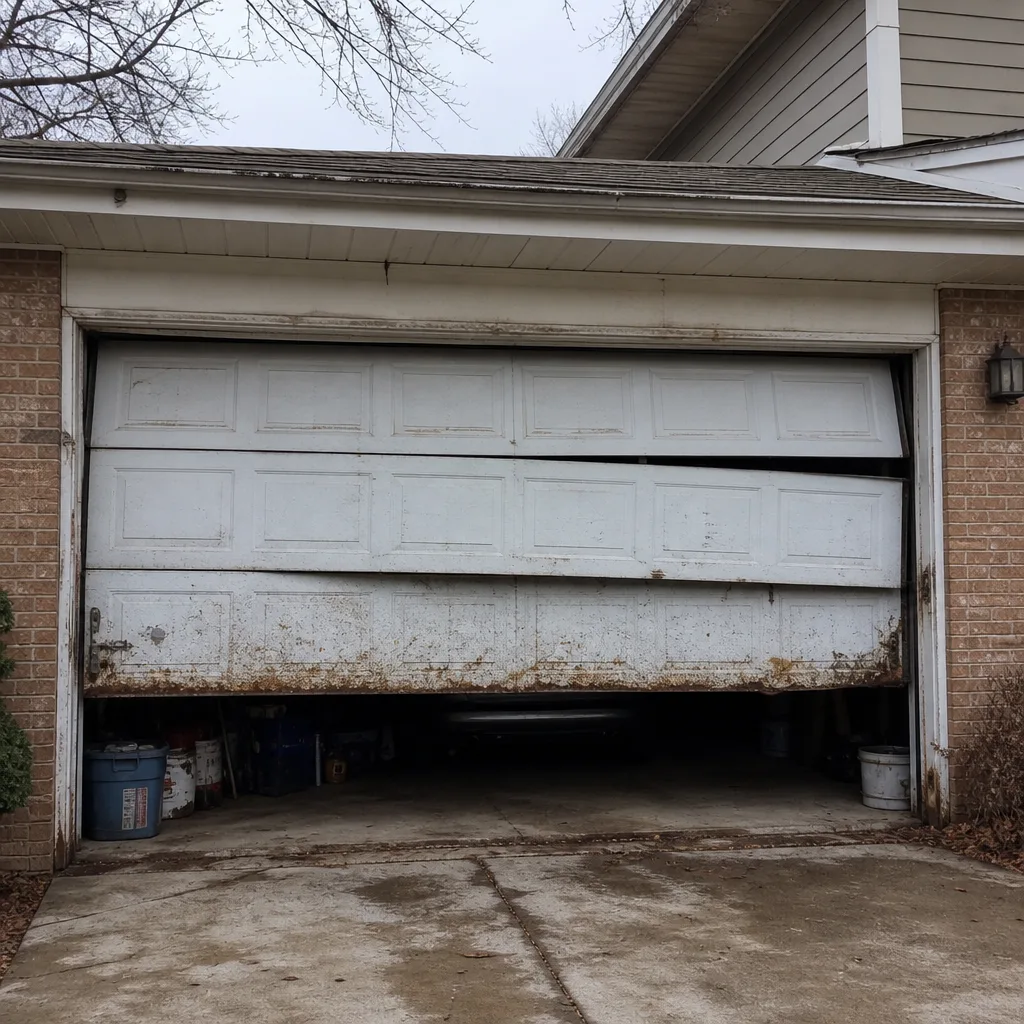 Before
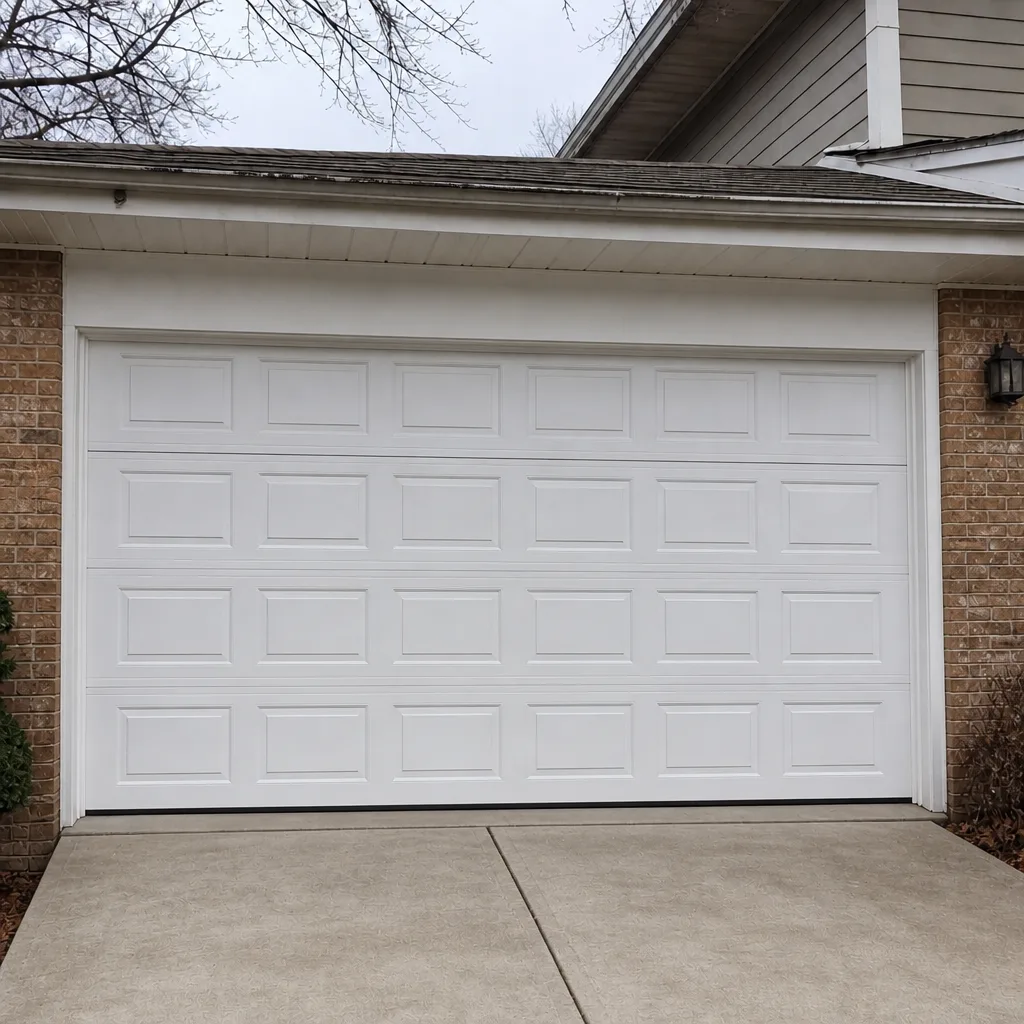 After
When to Call a Professional
Some garage door work is a genuine DIY project, and a lot of it isn’t. If your scope involves a torsion spring, cables, or anything under tension, stop and call a professional. Those are the most dangerous repairs in the trade, and a mistake can serious injure you. The same goes for electrical work behind an opener, any fire-separation question, and any structural change to the opening. If you’re unsure whether a permit applies, describe the scope to a specialist who’s done this before, because getting the description right is half the answer. And if your door is stuck open or stuck shut, it’s a repair and an emergency call. Arlington Heights Garage Door Repair Co offers free estimates in Arlington Heights – call (877) 792-5722. We answer 24/7. Fast dispatch, 7am-7pm, Sunday through Friday.
Frequently Asked Questions
It depends on the scope. A like-for-like door replacement in the existing opening, or a straight opener swap reusing existing wiring, usually doesn’t require a permit, but any work that changes the opening, alters structure, adds electrical, or touches the fire separation between an attached garage and the house typically does. The Village of Arlington Heights Building & Life Safety Department is the authority for your specific project. Call them with your exact scope for a definitive answer. Call (877) 792-5722 for an exact quote – estimates are free.
Attached garage doors in Arlington Heights must meet the fire separation requirement under Illinois Building Code Section R302, which governs how the wall and door between the garage and living space resist fire. The door carries part of that requirement, so it has to be specified and documented to meet the rating. Insulated steel doors from manufacturers like Clopay and Amarr often come with clear rating documentation, while wood doors have to be specified and verified. Ask your installer for the rating documentation before you order. Call (877) 792-5722 for an exact quote – estimates are free.
A straight opener swap that reuses the existing outlet and wiring is usually a replacement, not new electrical work, and typically doesn’t require a permit. But adding an outlet, relocating the opener, or adding wiring for a smart module or battery backup can pull in electrical review. The trigger is the electrical scope, not the opener itself. Confirm the wiring scope with the Village if you’re adding anything new. Call (877) 792-5722 for an exact quote – estimates are free.
Inspectors focus on fire separation, opener safety features like photo-eye sensors and auto-reverse, egress paths, door clearances, electrical work if any was added, and manufacturer documentation and labeling. The inspection is a safety review, not a cosmetic one. A door that looks great but fails the opener safety test or can’t demonstrate the fire rating will not pass. Proper installation set to spec is the surest way through. Call (877) 792-5722 for an exact quote – estimates are free.
If a door-related incident occurs and the work that caused it wasn’t permitted or inspected, an insurer can point to the unpermitted alteration as a reason to reduce or contest a claim, depending on the policy and the specifics. It’s a real exposure and a common flag at resale when a home inspector notes the missing permit. The fix is to bring the work into compliance rather than hoping it never comes up. Keep HOA, permit, and inspection records with your home documents. Call (877) 792-5722 for an exact quote – estimates are free.
Get HOA approval first, then the Village permit if one is required. Doing it in that order means you never buy a door the HOA rejects and never pull a permit for a project the HOA changes. The two approvals are independent, and passing one doesn’t help with the other. Get the HOA approval in writing before ordering the door. Call (877) 792-5722 for an exact quote – estimates are free.
The Bottom Line
Garage door permits in Arlington Heights come down to scope, not cost or appearance. A like-for-like replacement usually doesn’t need one, but structural changes, electrical work, and anything touching the fire separation between an attached garage and the house typically do. Confirm your exact scope with the Village, get HOA approval in writing before you order, choose a door that documents the R302 fire rating, and keep the paperwork. Unpermitted work is a quiet problem that surfaces at claim time or resale. Do it in the right order and it stays simple. When you’re ready to move on a door or opener, a specialist who knows the brands and the local code will save you the guesswork. Our technicians have up to 13 years of experience across eight major brands, and we handle everything from the spring to the smart opener in a single call. If a torsion spring or a stuck door has you calling tonight, we answer 24/7 with fast dispatch from 7am to 7pm, Sunday through Friday. Call (877) 792-5722 for a free estimate on your garage door spring repair or replacement, and we’ll help you get the permit question answered before the door order goes in.
Written by the team at Arlington Heights Garage Door Repair Co.