
Last updated November 23, 2026
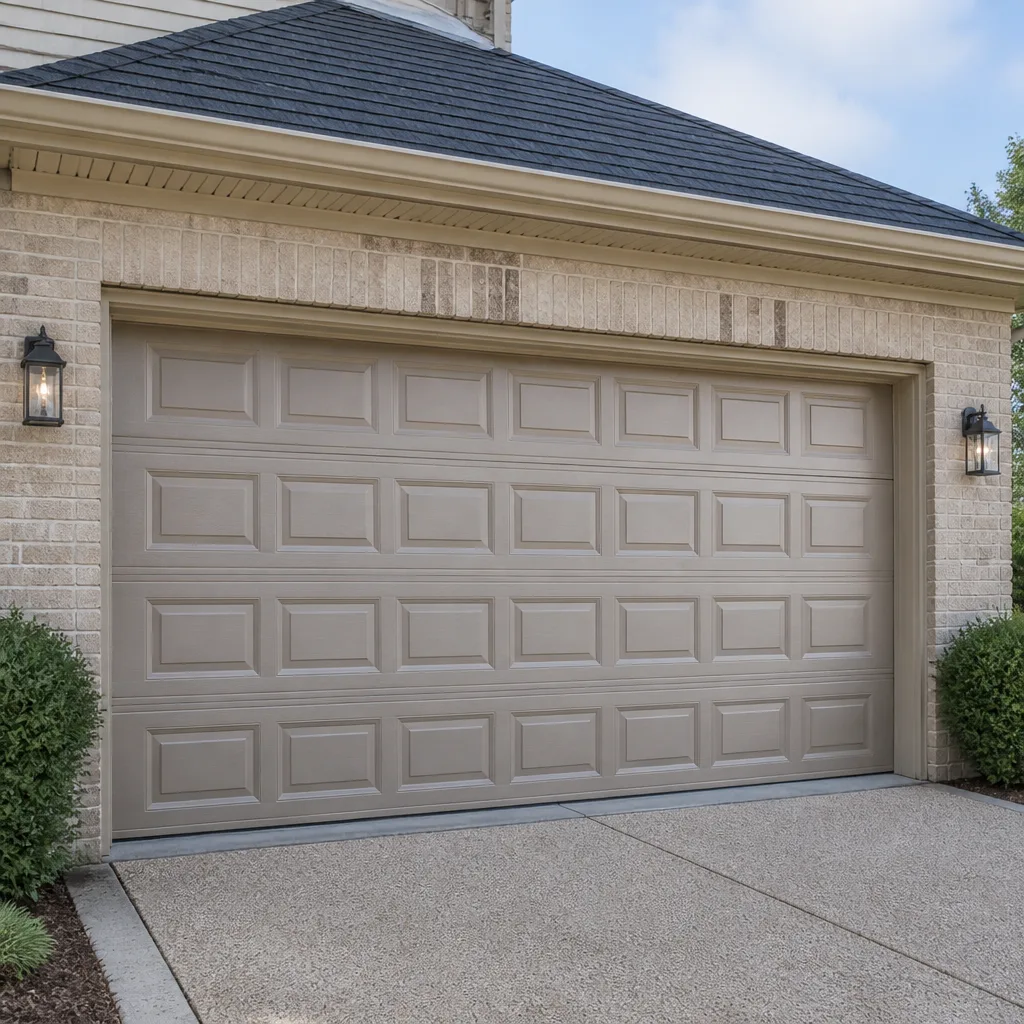 Raised-panel steel
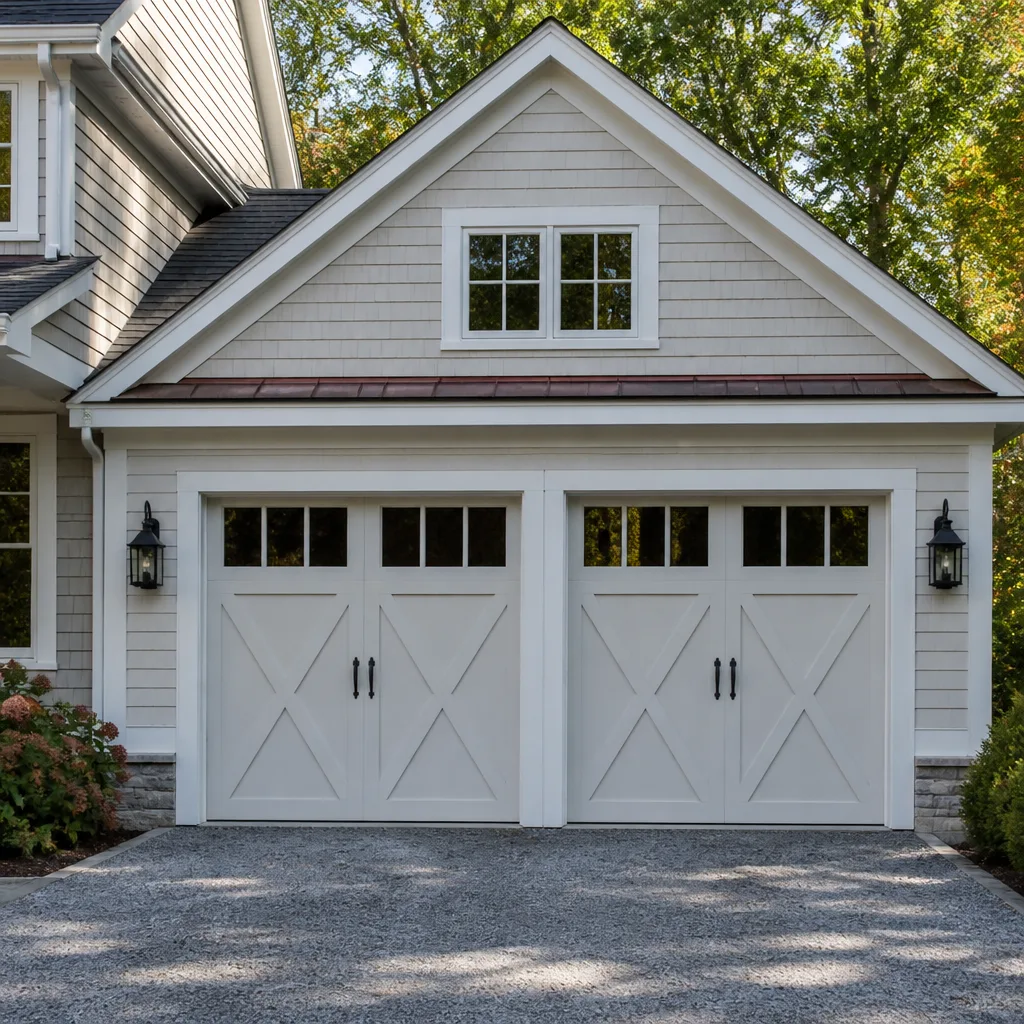 Carriage house
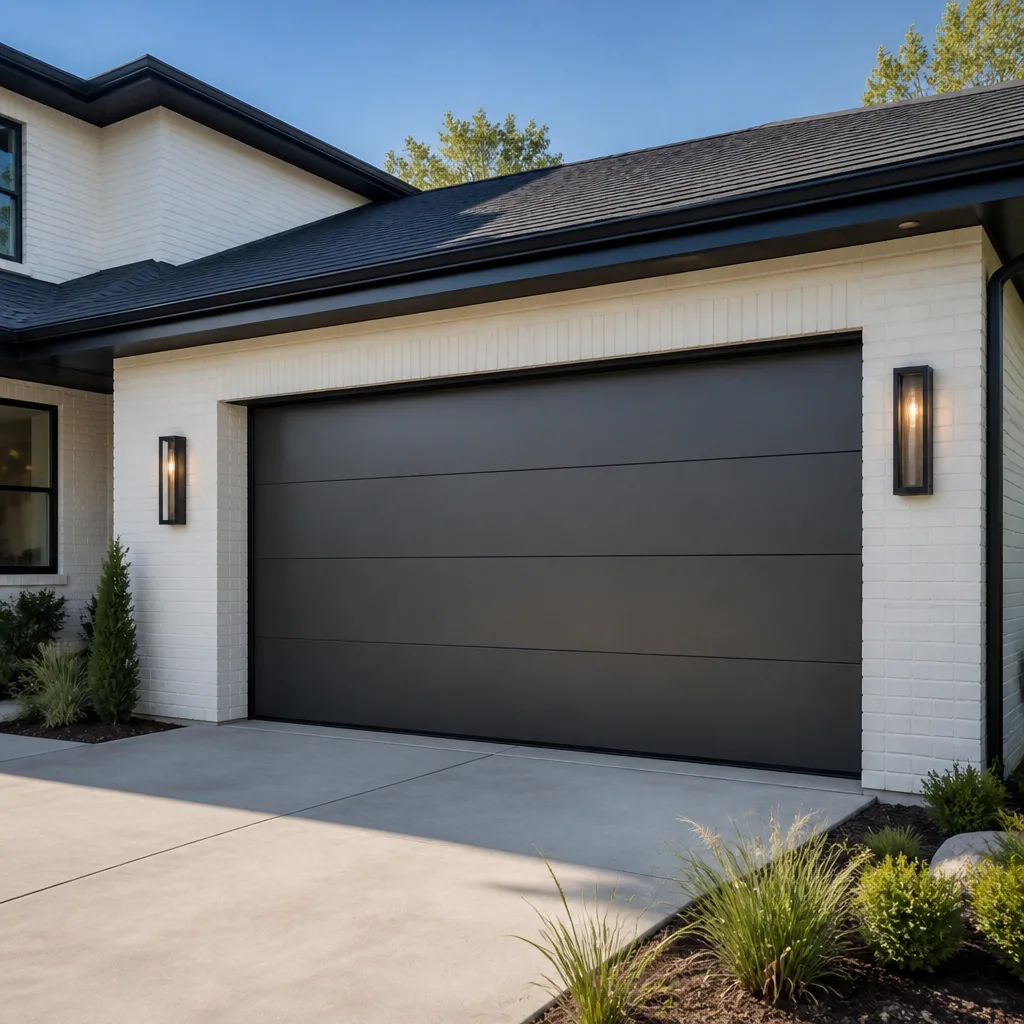 Modern flush
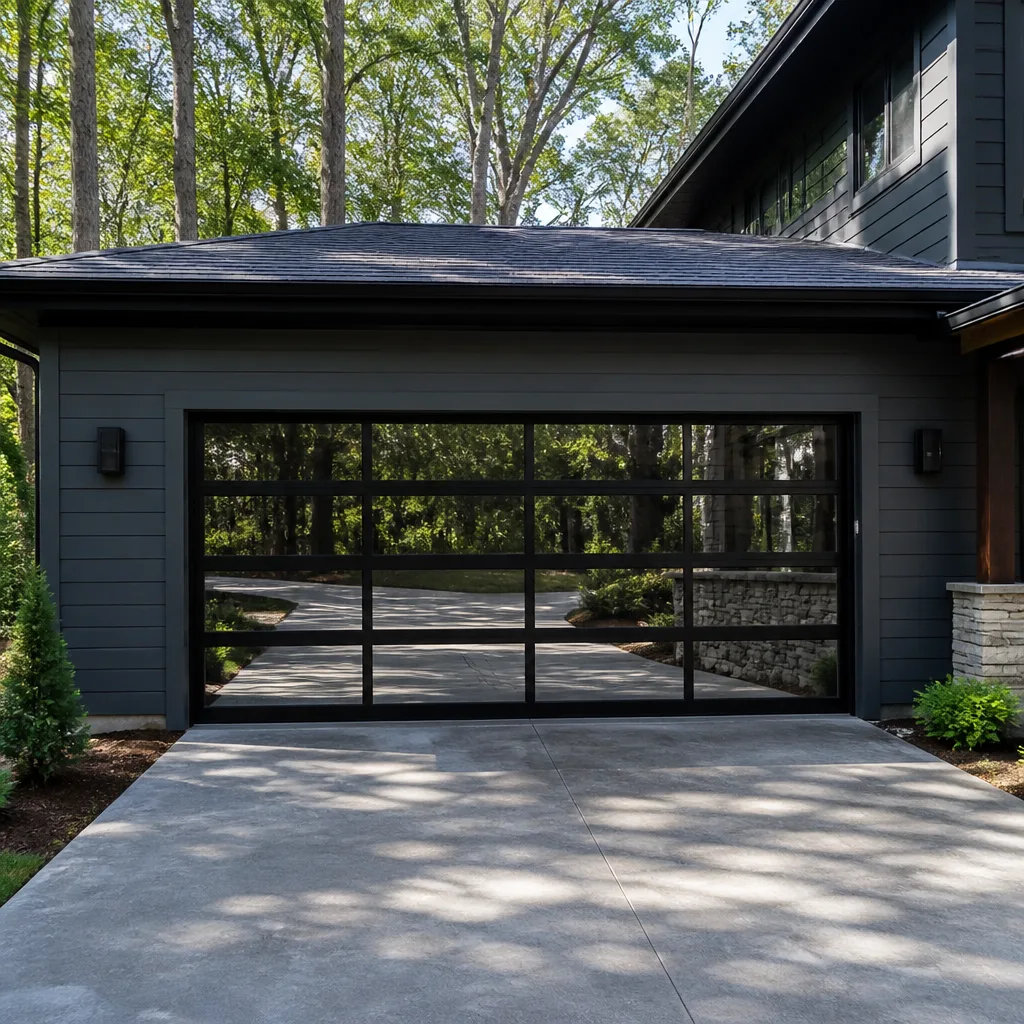 Full-view glass
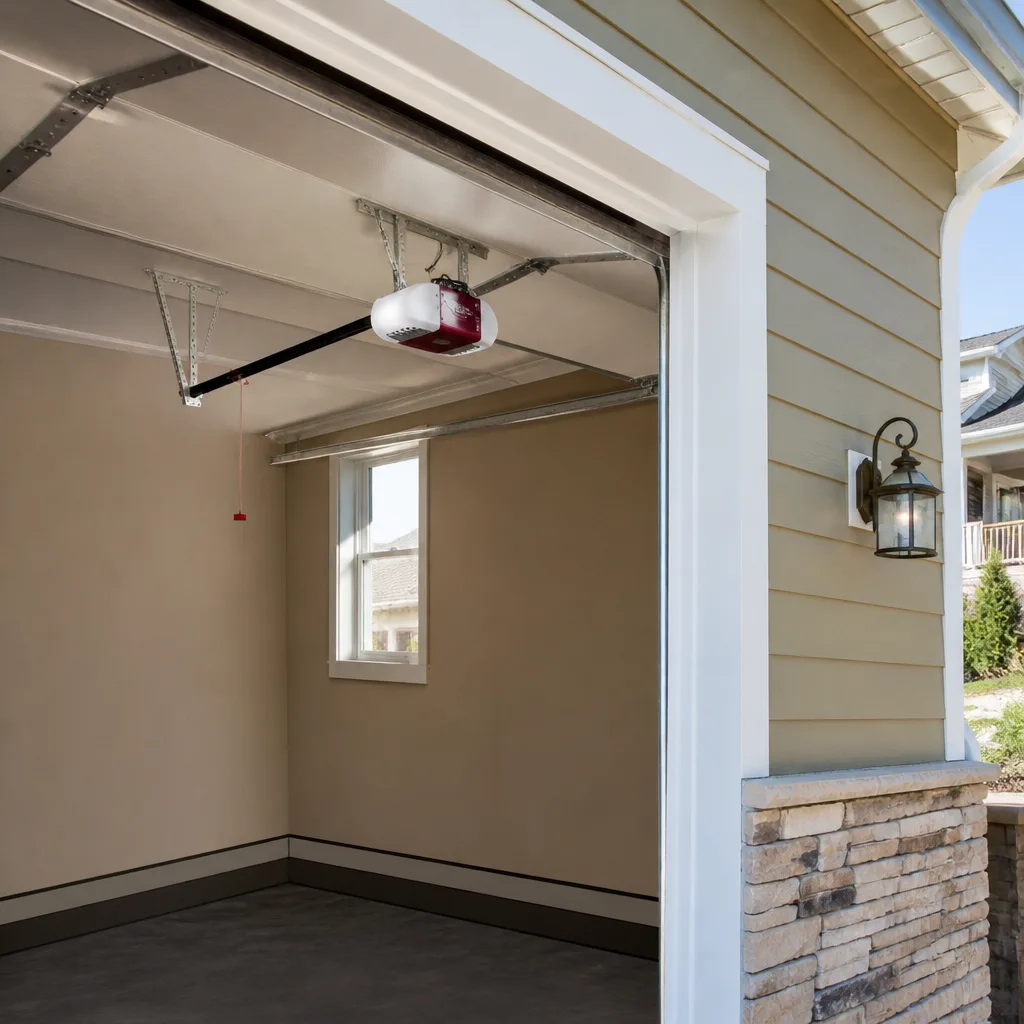 LiftMaster openers
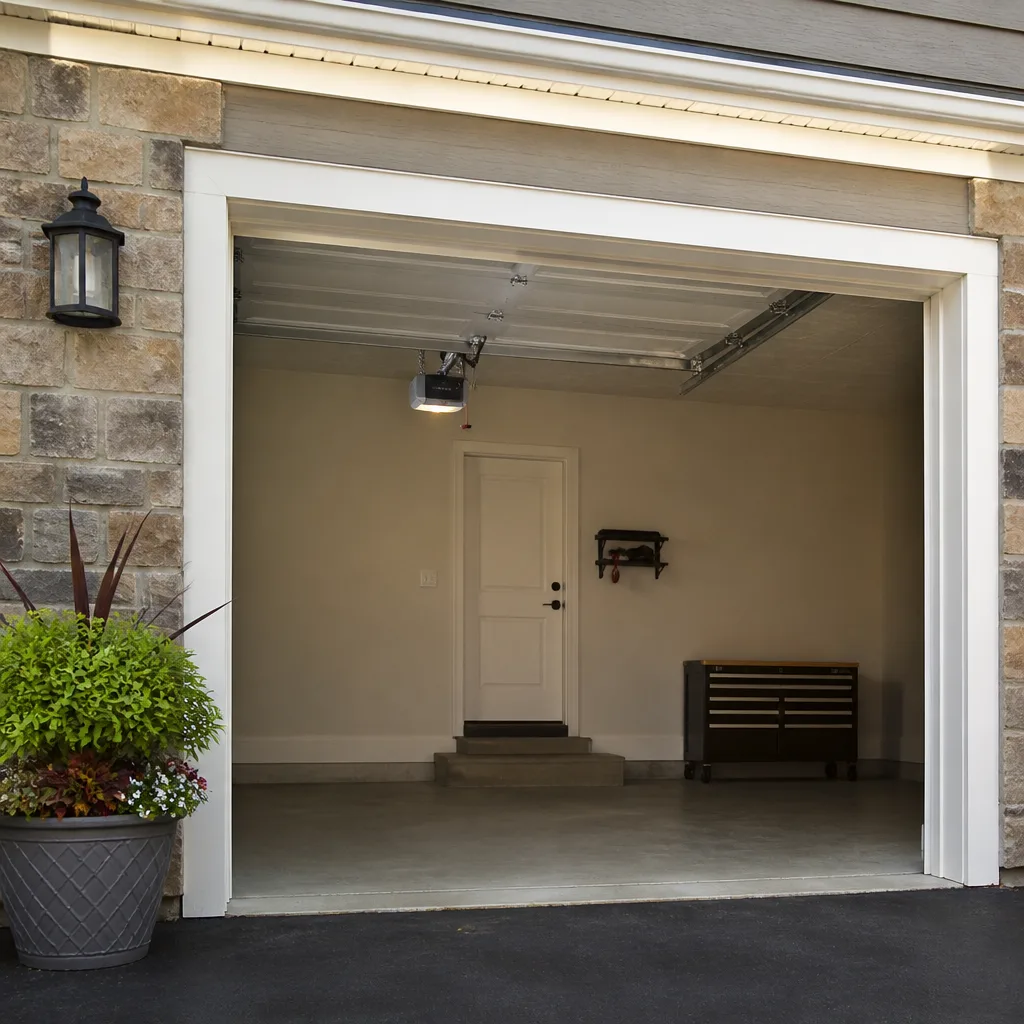 Chamberlain openers
Full 25-point door and opener safety check with every visit - springs, cables, rollers, tracks, and your LiftMaster or Chamberlain opener included
You get a price before we start. It does not change when the pro arrives.
Get your free estimateGarage Door Repair Maintenance Schedule: What to Do and When
A garage door moves more times per year than your front door does in a decade, yet most homeowners don’t service it once. That math catches up with them, usually at the worst possible moment: a spring lets go on a cold morning with the car trapped inside, or an opener burns out a gear because nobody checked the balance. Here’s the part most checklists get wrong. A maintenance schedule only works if it’s built around how the door actually ages, which means matching each task to the specific breakdown it prevents. This guide maps every task to its failure mode, adds the seasonal adjustments that matter in an Illinois climate, and tells you honestly which jobs you can handle and which ones need a trained technician. We work on garage doors across Arlington Heights every week, and the pattern is always the same: the doors that get looked after are the ones that never surprise anybody.
Quick Answer
Lubricate moving parts and run a visual inspection and balance test once a month, and clean the safety sensors whenever the weather turns. Once a year, have a trained technician measure spring tension, inspect cables and align the tracks. Plan on replacing nylon rollers and weather stripping every few years, and expect torsion springs to be replaced as a matched pair roughly every 7 to 10 years depending on cycle life. The tasks you skip are the ones that become emergencies, so the schedule matters more than any single step in it.
Styles & brands we work with
- Raised-panel steel
- Carriage house
- Modern flush
- Full-view glass
- LiftMaster openers
- Chamberlain openers
Table of Contents
- The Annual Maintenance Calendar at a Glance
- What to Do Every Month
- Seasonal Adjustments for an Illinois Climate
- Homeowner Maintenance vs. Professional Maintenance
- The Balance Test and Force-Resistance Test
- Parts With Predictable Lifespans
- Common Mistakes to Avoid
- When to Call a Professional
The Annual Maintenance Calendar at a Glance
Some tasks are weekly habits, some are monthly checks, and a handful are annual jobs for someone with the right tools. Grouping them by frequency is the easiest way to make sure nothing slips. Here’s the schedule we recommend for a typical residential door in Arlington Heights, laid out in one place.
- Weekly: watch and listen as the door opens and closes. Any new noise, hesitation or uneven movement is an early warning sign, and catching it early is far cheaper than catching it late.
- Monthly: lubricate hinges, rollers, and the torsion spring bearing (never the spring itself), run a visual inspection for worn parts, do the balance test, and test the safety reverse.
- Seasonally (fall and spring): clean and realign the safety sensors, clear debris from the tracks, and check weather stripping and the bottom seal.
- Annually: have a technician measure spring tension, inspect cables for fraying or corrosion, check track alignment, and confirm the opener force settings are correct for the door’s weight.
- Every 3 to 5 years: replace nylon rollers and the bottom weather seal. Steel rollers can last longer but get noisier as they wear.
- Every 7 to 10 years: plan on new torsion springs, especially if the door runs more than a couple of cycles a day.
The single biggest reason doors fail early is that the monthly and annual tiers get skipped while the door still “works.” A door that closes is not the same as a door that’s safe, and the gap between the two is where maintenance lives.
What to Do Every Month
The monthly routine takes about ten minutes and prevents the majority of surprise breakdowns. None of it requires special tools, and all of it is safe to do from the floor.
Start with the eyes and ears. Open and close the door once and listen. Grinding, squealing or a door that jerks on the way up usually means a dry hinge, a worn roller, or a spring that’s losing tension. Address it the same week you notice it. Then check the rollers: steel rollers should spin freely and show no flat spots, while nylon rollers wear out faster and go quiet when they need replacing.
Move on to lubrication. A few drops of lithium grease or garage-door-specific lubricant on the hinges, the roller stems, and the torsion bar bearing keeps everything moving without overworking the opener. Skip the spring itself and skip the plastic rollers, which can attract grit. Wipe off any excess so dust doesn’t stick.
Finish with the safety reverse test. Put a roll of paper towels or a piece of wood flat on the ground under the door and hit the close button. The door should reverse immediately on contact. Then break the photo-eye beam with your foot and confirm the door stops and reverses. If either test fails, stop using the door and get it looked at.
A monthly routine catches the slow failures, but it won’t catch everything. That’s what the annual professional check is for, and it’s the tier most homeowners skip.
Seasonal Adjustments for an Illinois Climate
An Arlington Heights garage door lives through some real temperature swings. Summer can push the door’s steel in one direction and January can pull it in the other, and the parts inside the door feel every degree of that shift. The schedule that works in a mild climate doesn’t fully translate here.
In fall, before the first hard freeze, walk the door and look at how it seals against the frame. Cold air makes metal contract slightly, and a bottom seal that was fine in September can leave a gap in November. The same cold can change how the torsion spring behaves, so fall is also when a technician should check spring tension and adjust cables that have crept. A door that worked all summer can run noticeably heavier once the temperatures drop, and that extra load lands directly on the opener.
Winter care is mostly about lubrication choices and moisture. Pick a lubricant that stays workable in sub-zero temps rather than one that thickens into paste. When road salt and slush get tracked onto the garage floor, they splash the bottom rollers and hinges, so wipe the lower hardware down during a thaw more than you normally would.
Spring is the sensor-and-seal season. Ice, salt spray and grit mess with the photo-eye lenses and the bottom weather stripping, so clean the sensors, realign them so the indicator lights hold steady, and replace the bottom seal if it’s cracked or compressed. Arlington Heights winters are hard on anything rubber, and that’s the season to notice it before summer. For doors near busy streets like those around the downtown Metra station, road spray means the sensors get fogged faster than you’d think.
Homeowner Maintenance vs. Professional Maintenance
The honest line between what you should do and what a professional should do comes down to tools and risk. Most upkeep is homeowner-friendly. Some of it isn’t, and the parts that aren’t are also the most dangerous.
You can safely handle the following yourself:
- Lubricating hinges, rollers and the torsion bearing
- Visual inspection of the door, hardware, tracks and springs
- The balance test and the safety reverse test
- Cleaning and realigning photo-eye sensors
- Wiping down the bottom seal and replacing weather stripping
- Clearing debris and leaves out of the tracks
A trained professional should handle:
- Measuring torsion spring tension and adjusting it, since the springs are under extreme tension and adjusting them without proper tools can cause serious injury
- Inspecting and replacing cables, which carry the door’s full weight and can snap without warning
- Aligning track sections that have been knocked out of plumb
- Confirming the opener’s force and travel limits are set correctly for the door’s actual weight
- Any repair involving a broken spring or a door that has come off its track
Our technicians have up to 13 years of experience handling the second list, and we’re familiar with the hardware on the most common door brands in Arlington Heights including Clopay, Amarr, Wayne Dalton and Genie systems. That familiarity matters, because a technician who knows a specific door and opener brand sources the right part faster and diagnoses the problem without guessing. If you want a hand with any part of this list, garage door repair covers both the routine calls and the urgent ones.
Most homeowners should aim for a professional check once a year. If your door runs more than four or five times a day, or it’s older hardware, twice a year is reasonable.
The Balance Test and Force-Resistance Test
These two tests take five minutes and are the most commonly skipped diagnostics in home garage door care. Both tell you whether your opener is doing more work than it should, and an opener that’s overworked fails long before it has to.
The balance test works like this:
- Close the door, then pull the emergency release cord to disconnect the opener.
- Lift the door by hand to about waist height, then let it go.
- A balanced door stays put or drifts less than a few inches. An unbalanced door drops or shoots up on its own.
- Reconnect the opener by pressing the remote once after lining up the carriage.
If the door falls on its own, the springs are no longer carrying their share, and the opener is lifting the full weight of the door plus the drag from worn rollers. That’s how opener gears strip and motors overheat. The fix is almost always a spring adjustment or replacement, which is a professional job. We handle it as a core service through garage door spring repair, and we replace springs as a matched pair because that’s how they wear.
The force-resistance test checks the opener’s safety reverse. Lay a flat piece of wood or a roll of paper towels under the closing door. If the door doesn’t reverse on contact, the opener’s force setting is too high. That setting should match the door’s weight, and adjusting it after spring work matters more than most people realize.
Run both tests monthly. They’re the cheapest early warning system you have, and they take the guesswork out of whether the door needs a professional visit.
Parts With Predictable Lifespans
Every garage door part wears out eventually, and most of them do it on a predictable timeline. Building a replacement plan around those lifespans means you replace parts on your schedule, not when they fail at the worst moment.
- Torsion springs: roughly 7 to 10 years on a door used a few times a day, though cycle life depends on the spring and how often the door runs. Springs are rated by cycles, not years, so a busy household wears them faster.
- Nylon rollers: 3 to 5 years. Steel rollers last longer but get louder as they wear.
- Bottom weather seal: 3 to 5 years in an Illinois climate, where freeze-thaw cycles crack rubber faster.
- Hinges: 5 to 7 years if lubricated; sooner if they dry out and rust.
- Cables: 8 to 12 years, though a cable that looks frayed or rusted should be replaced regardless of age.
- Opener drive belt or chain: 10 to 15 years depending on use and lubrication.
- Safety sensors and opener logic board: 10 to 15 years, often the first things to fail on an aging unit.
Write the dates on the inside of the door frame if it helps. Then set one reminder a year to review the list. When two or three parts come due at once, that’s often the moment a homeowner chooses between a series of small repairs and a full replacement – and that choice is worth making deliberately rather than in an emergency.
How Often Should Springs Be Replaced in Arlington Heights?
Plan on every 7 to 10 years for a typical household door, and replace both springs at the same time. The two springs share the door’s weight, so they wear at roughly the same rate. Replacing one and leaving the other means the old spring usually fails within a year or two, and you pay the labor twice.
Arlington Heights doors run in a climate with wide temperature swings, and spring steel doesn’t love cold. A door that ran fine through summer can feel heavier in January, which is a sign the spring has lost some tension. Cycle count matters more than calendar age, so a household that opens and closes the door six times a day will go through springs faster than one that uses it twice.
If you hear a loud bang from the garage and the door won’t lift, don’t try to raise it by hand. A torsion spring under tension is one of the most dangerous parts of any home, and the right move is to leave the door shut and call a trained professional. We repair springs as a core service and handle them with the tools they require. Call (877) 792-5722 for a free estimate. We answer 24/7. Fast dispatch from 7am to 7pm, Sunday through Friday. You’ll also want the written quote in hand before anything gets started, and we set the price that way for every job.
How Do You Maintain an Opener Without Wearing It Out?
Keep the door balanced and lubricated, and the opener will last years longer. The opener is a motor, not a lifting machine. It’s designed to lift a door that’s already balanced by the springs and gliding along aligned tracks. Every ounce of extra drag goes straight to the motor and gears.
- Run the balance test monthly and schedule spring work if the door drifts.
- Lubricate hinges, rollers and the torsion bearing, not the spring or the tracks.
- Clear debris from the tracks and check for any dents the rollers have to jump over.
- Test the safety reverse and confirm the force setting isn’t cranked up to compensate for a heavy door.
- Keep the opener’s housing clear of insulation, dust and moisture buildup.
If the opener itself is skipping, reversing for no reason, or the motor runs but the door doesn’t move, that’s a call for garage door opener repair. We work on the systems most homes in Arlington Heights actually have – LiftMaster, Chamberlain, Genie, Craftsman and the rest of the major brands – so we’re diagnosing familiar hardware rather than starting from scratch. We also service the door brands those openers drive, including Clopay, Amarr and Wayne Dalton, which means a single call covers the whole system.
One more thing about wear: a broken opener is almost always a symptom, not the root problem. If the opener failed, check the springs and rollers before replacing the unit.
See the difference
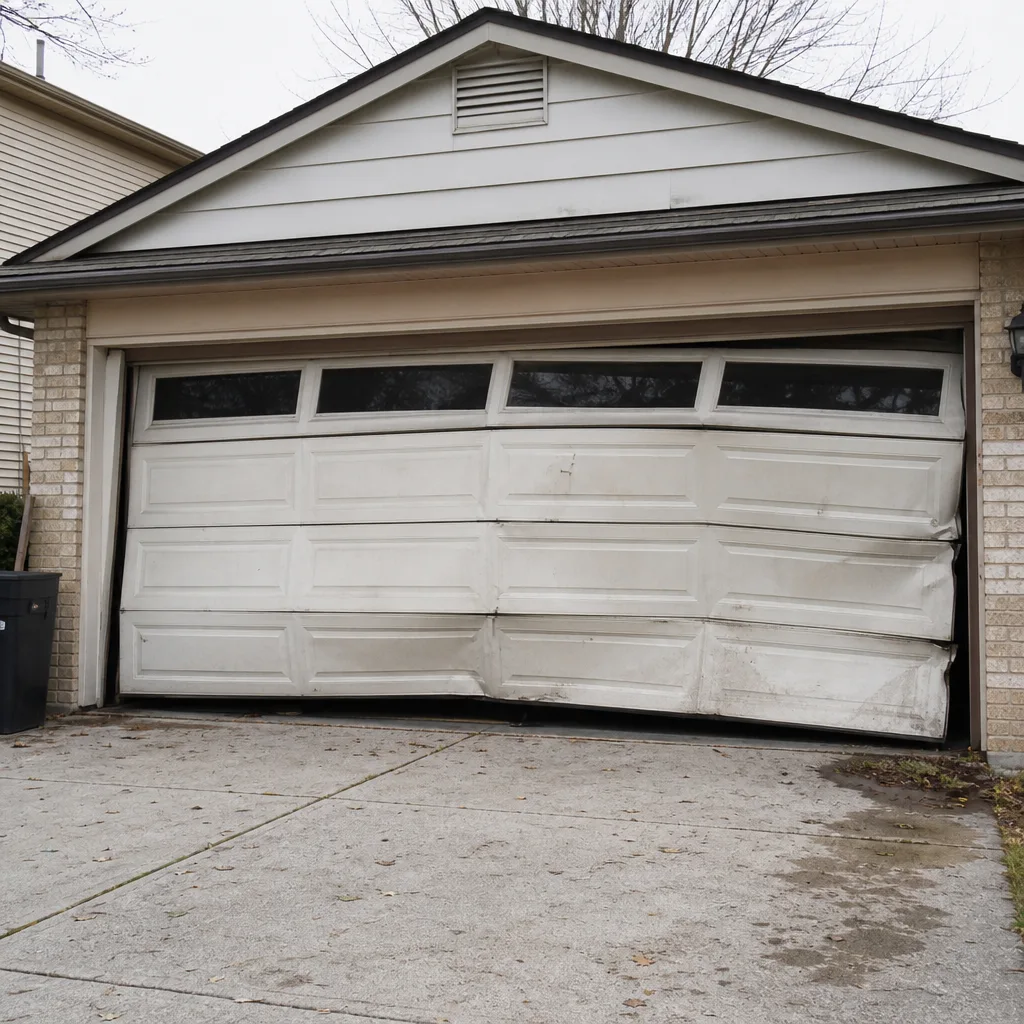 Before
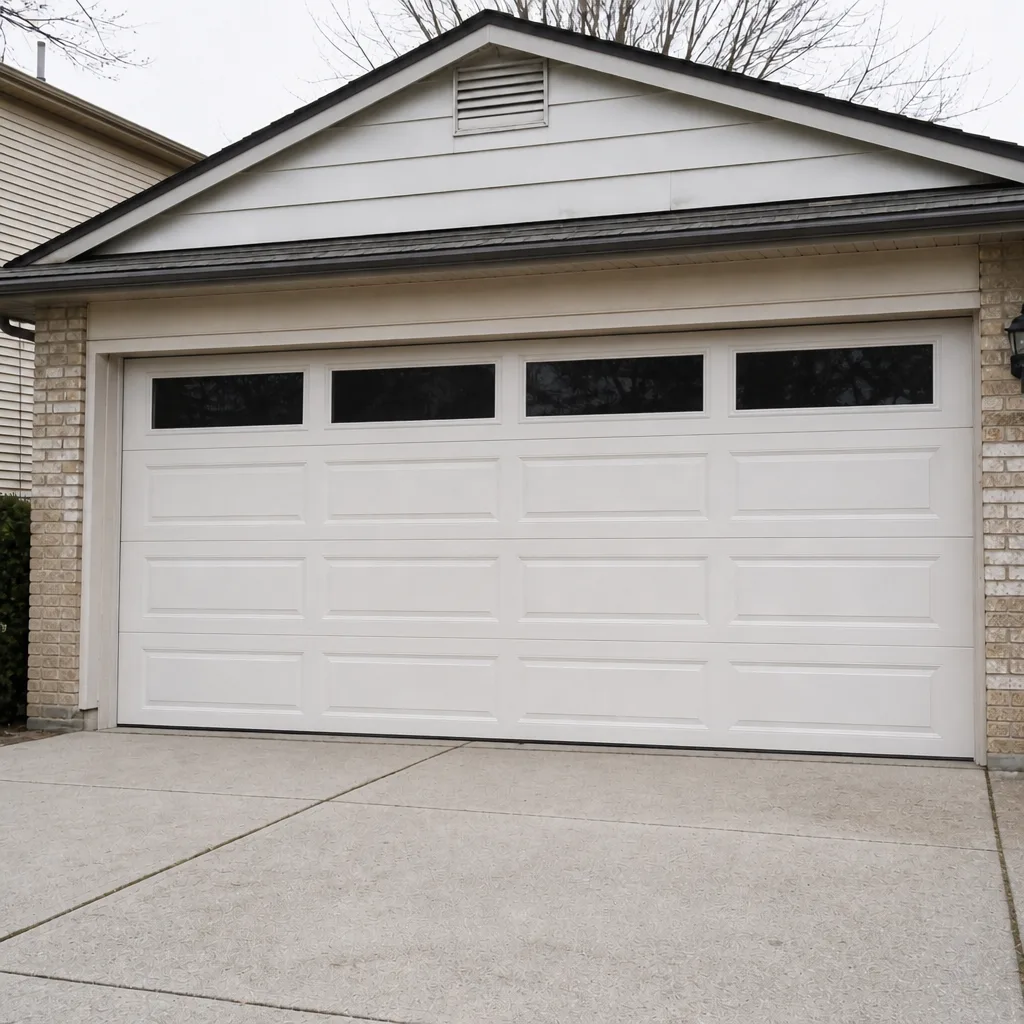 After
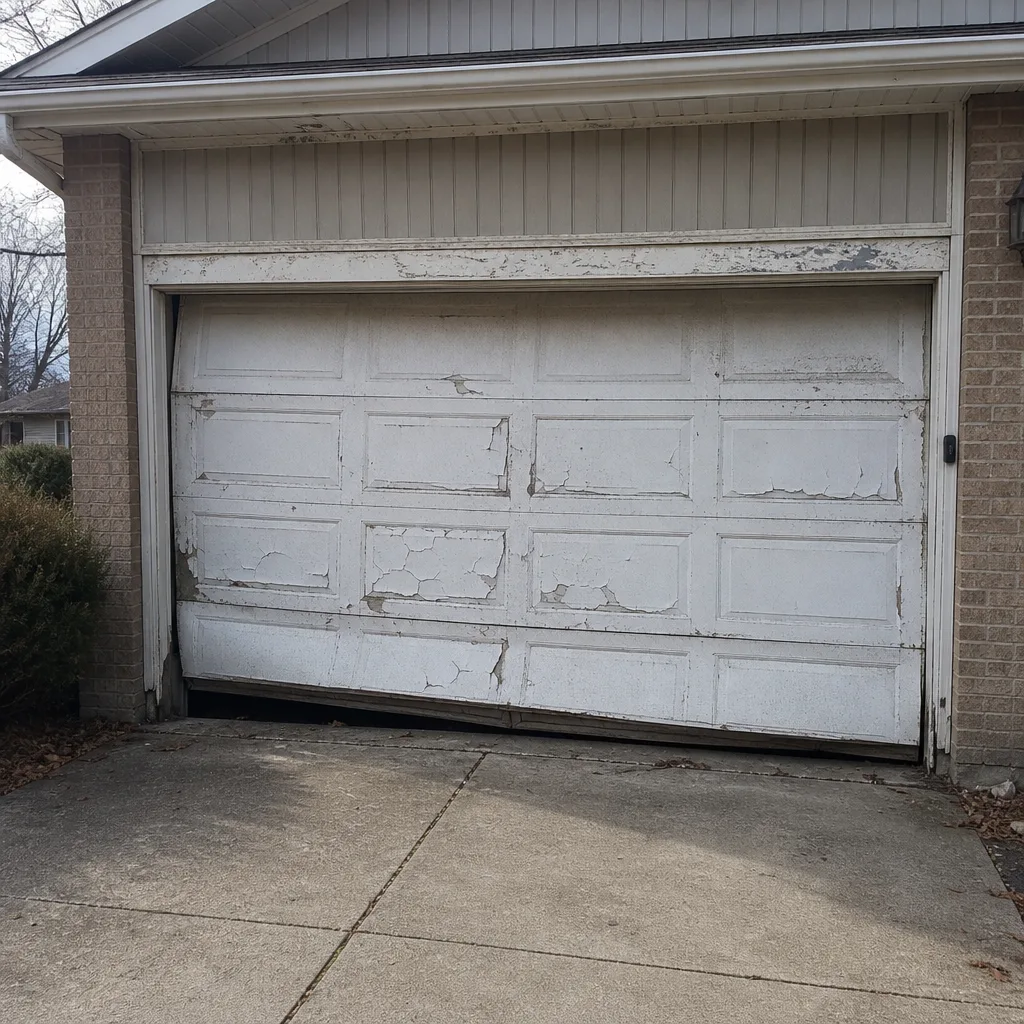 Before
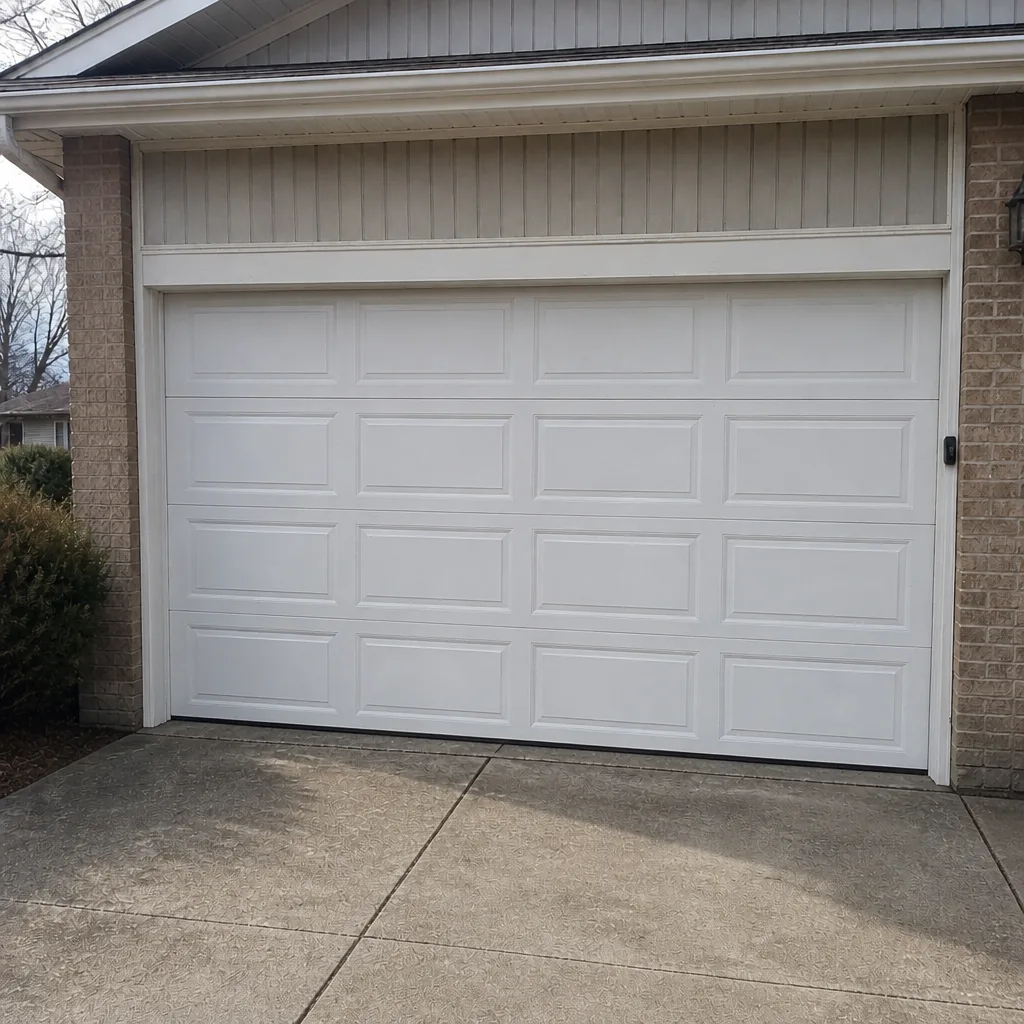 After
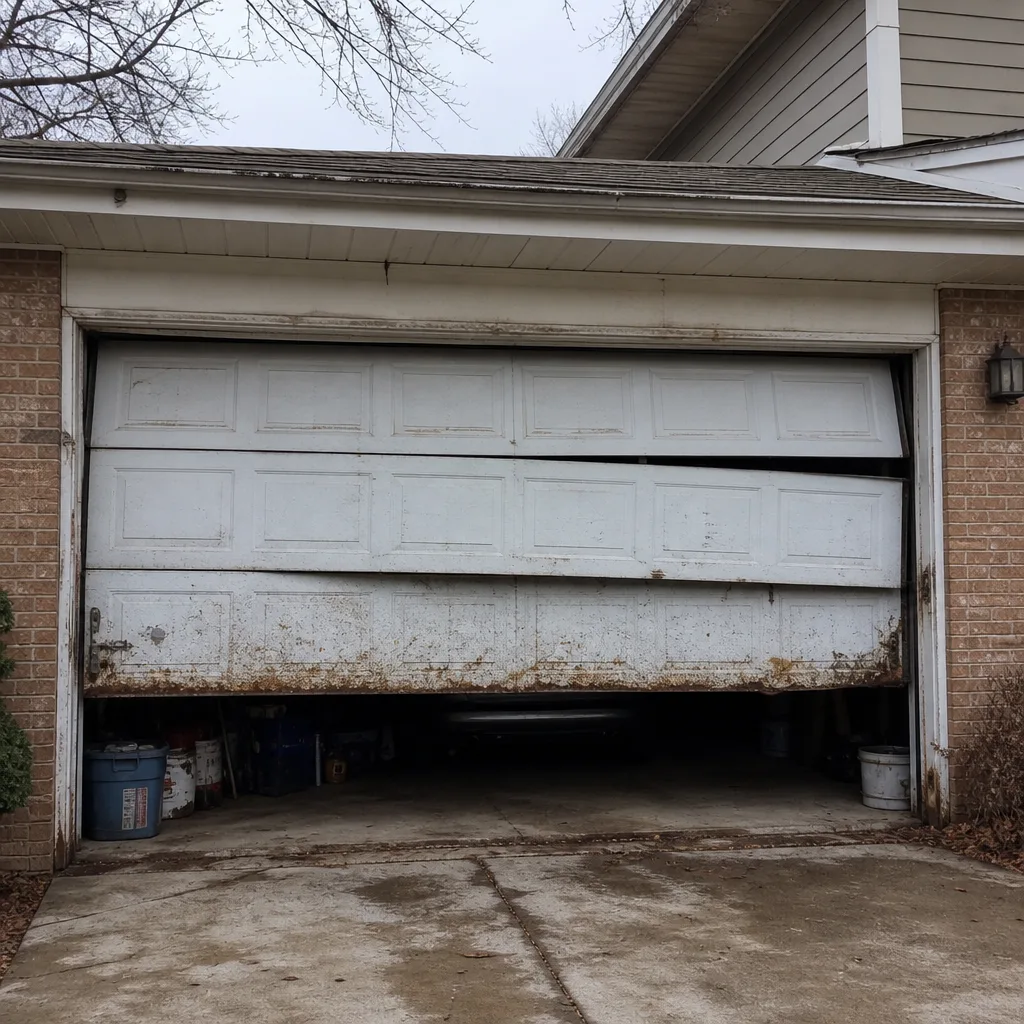 Before
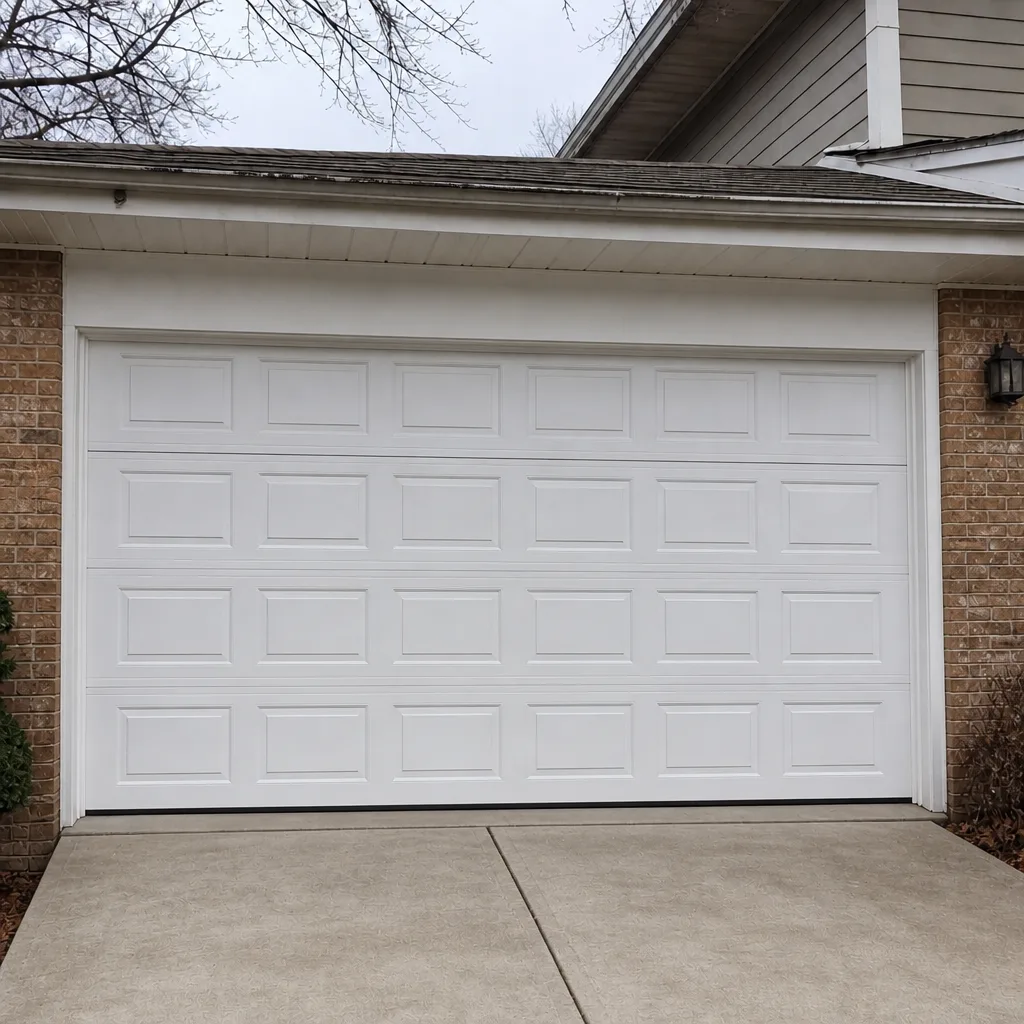 After
What Should You Check After a Storm?
After a strong storm, run a walk-around of the door before you use it. Illinois storms don’t often bring hail here, but wind, debris and falling branches are real. A door can look fine from the driveway and be slightly off-track underneath.
Here’s the quick check:
- Look along both tracks for anything that’s been knocked out of alignment or bent. A bent track is much easier to fix before the rollers grind it further.
- Clear leaves, twigs and grit out of the tracks and off the bottom seal.
- Open and close the door slowly and watch for uneven movement or a door that rises crooked.
- Wipe the photo-eye sensors and confirm the indicator light stays steady on both sides.
- Listen for new noises and check the bottom seal for tearing after debris pushes through it.
If the door has come off one of its tracks, don’t force it. A door hung at an angle can collapse, and that’s genuinely dangerous. Leave it closed and call for help. If a tree or branch has damaged a panel, that’s a repair or replacement depending on the panel and the door brand, and we handle both. Our free estimate covers the inspection so you know exactly what you’re dealing with before anything is ordered or scheduled.
Common Mistakes to Avoid
- Never lubricating the moving parts. A dry door drags, and every extra ounce of drag wears out the opener and the springs faster. Ten minutes with the right grease prevents most of that, and the right grease in an Illinois winter matters even more.
- Lubricating the tracks. Oil on the tracks attracts grit and does nothing useful. Keep the tracks clean and dry, and put the lubricant where it belongs: hinges, rollers and the torsion bearing.
- Skipping the monthly balance test. An unbalanced door overworks the opener and can fail without any obvious warning. It’s a five-minute test and the single best predictor of a coming spring problem.
- Adjusting a torsion spring at home. Springs are under extreme tension and require specific tools and training. This is the repair most often botched by generalists, and it’s the one where a mistake can cause real injury.
- Replacing one spring instead of the pair. Matched springs wear together. Swap one and you’ll likely be back for the other soon, paying for the labor again.
- Ignoring worn rollers. Cheap nylon rollers go flat and quiet when they’re worn, so the door doesn’t sound broken yet. Replace them every few years rather than waiting for the drag to show up in the opener.
- Letting the bottom seal go. In Arlington Heights, freeze-thaw cycles crack a rubber seal fast. A torn seal lets in cold air, moisture and pests, and it costs less to replace than most homeowners expect.
When to Call a Professional
Call a professional if the door won’t open or close, if you hear a loud bang and the door stops lifting, if a cable is frayed or hanging, if the door has come off its track, or if the opener runs but the door doesn’t move. Also call if you’ve done the monthly inspection and found something you can’t explain: a door that reverses for no reason, a sensor light that won’t hold steady, or a spring that looks stretched or warped.
Some of these are urgent, and some can wait for a scheduled visit. A broken spring or a door stuck open gets the same-day treatment. A routine check or a worn seal can be scheduled for the next convenient opening. Arlington Heights Garage Door Repair Co offers free estimates in Arlington Heights – call (877) 792-5722. Every price is quoted and agreed in writing before any work starts, so you know what you’re paying before anyone touches the door. We answer 24/7, and fast dispatch runs from 7am to 7pm, Sunday through Friday.
Frequently Asked Questions
Once a year for a professional service visit, plus monthly lubrication, a balance test and a safety reverse test on your own. A door used more than four or five times a day benefits from a professional check twice a year. In Arlington Heights the fall check before cold weather matters most, since temperature swings change spring tension and seal fit.
You can safely lubricate hinges and rollers, clean and realign sensors, inspect the door visually, run the balance test and replace weather stripping. Spring tension adjustment, cable inspection and replacement, track alignment and opener force settings should be handled by a trained technician because the parts involved carry the door’s full weight or sit under extreme tension.
Roughly 7 to 10 years for a typical household door, though cycle life matters more than calendar age. A busy household wears springs faster than a quiet one. Replace springs as a matched pair, since both wear at the same rate and a single new spring next to an old one usually means a second repair within a year or two.
A failing opener often shows up as a door that reverses for no reason, a motor that runs without moving the door, or a door that moves unevenly. Run the balance test: if the door won’t hold its position, the opener is lifting more weight than it should, and the springs or rollers are usually the real problem, not the opener.
Leave the door as it is if you can’t safely lower it by hand, and call for help. We answer 24/7. A call outside dispatch hours is booked into the next opening, Sunday through Friday, 7am to 7pm. Don’t force a door that has come off its track.
Yes. Cold winters and freeze-thaw cycles are hard on rubber seals and make springs behave differently, so plan on a fall tune-up before the first freeze and a spring check on sensors and seals. Lubricant choice matters too, since some grease thickens in sub-zero temperatures.
The Bottom Line
Maintenance works when it’s mapped to failure, not done for its own sake. Do the monthly lubrication, balance test and safety reverse test, keep the sensors and tracks clean, and have a trained technician check the springs, cables and track alignment once a year. Replace rollers, seals and springs on their own timelines instead of waiting for them to fail, and treat the annual check as a chance to plan ahead. For anything involving springs or cables, call a professional. It’s the one part of the schedule where a mistake can cause an injury, and where a proper job done once saves you from doing it twice. Manage the schedule and the door stays quiet for years.
If you’d rather have someone look it over, or if something in this guide has you reaching for the phone, we can help. Call (877) 792-5722 for a free estimate. We answer 24/7. Fast dispatch from 7am to 7pm, Sunday through Friday. For every job, the written estimate is the price, and it’s agreed before any work starts. If you’re looking at a full replacement instead of a repair, the Arlington Heights Garage Door Repair Co team can walk you through it.
Written by the team at Arlington Heights Garage Door Repair Co.