
Last updated November 23, 2026
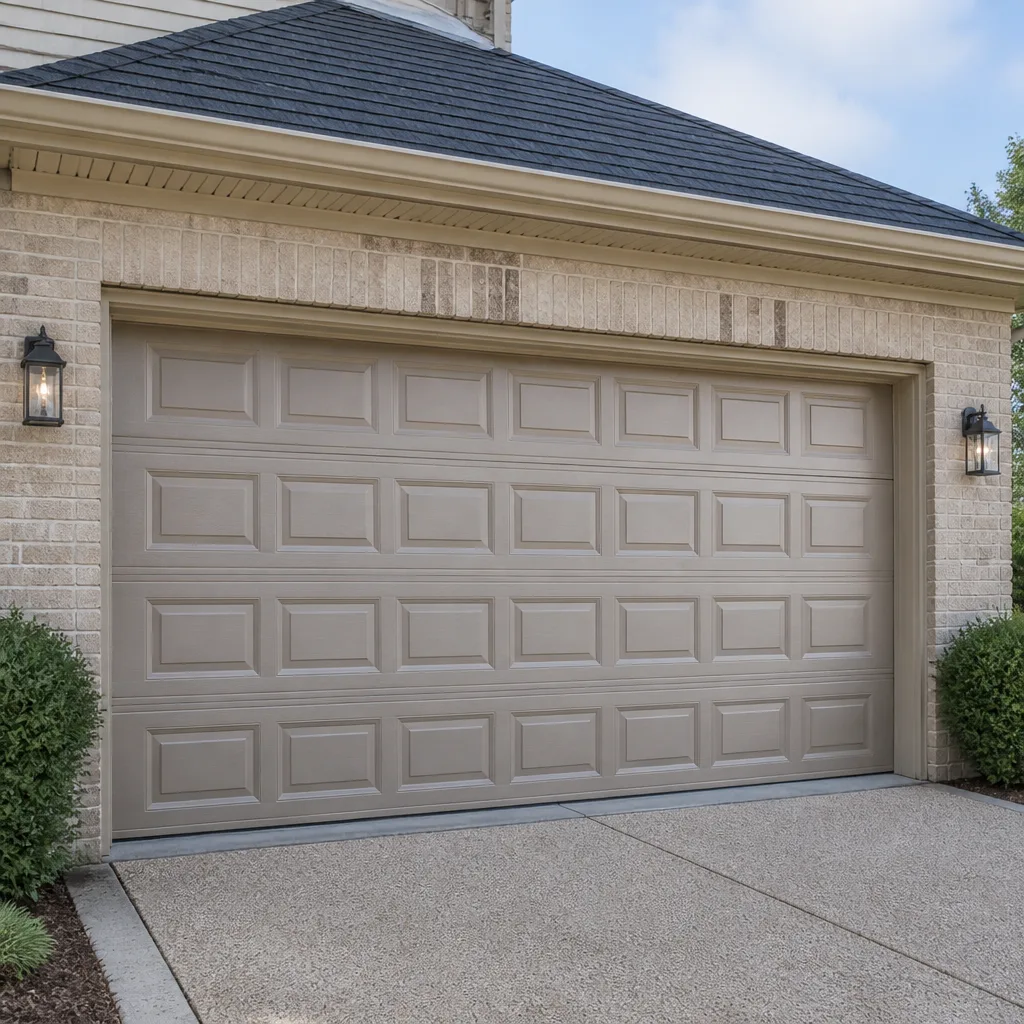 Raised-panel steel
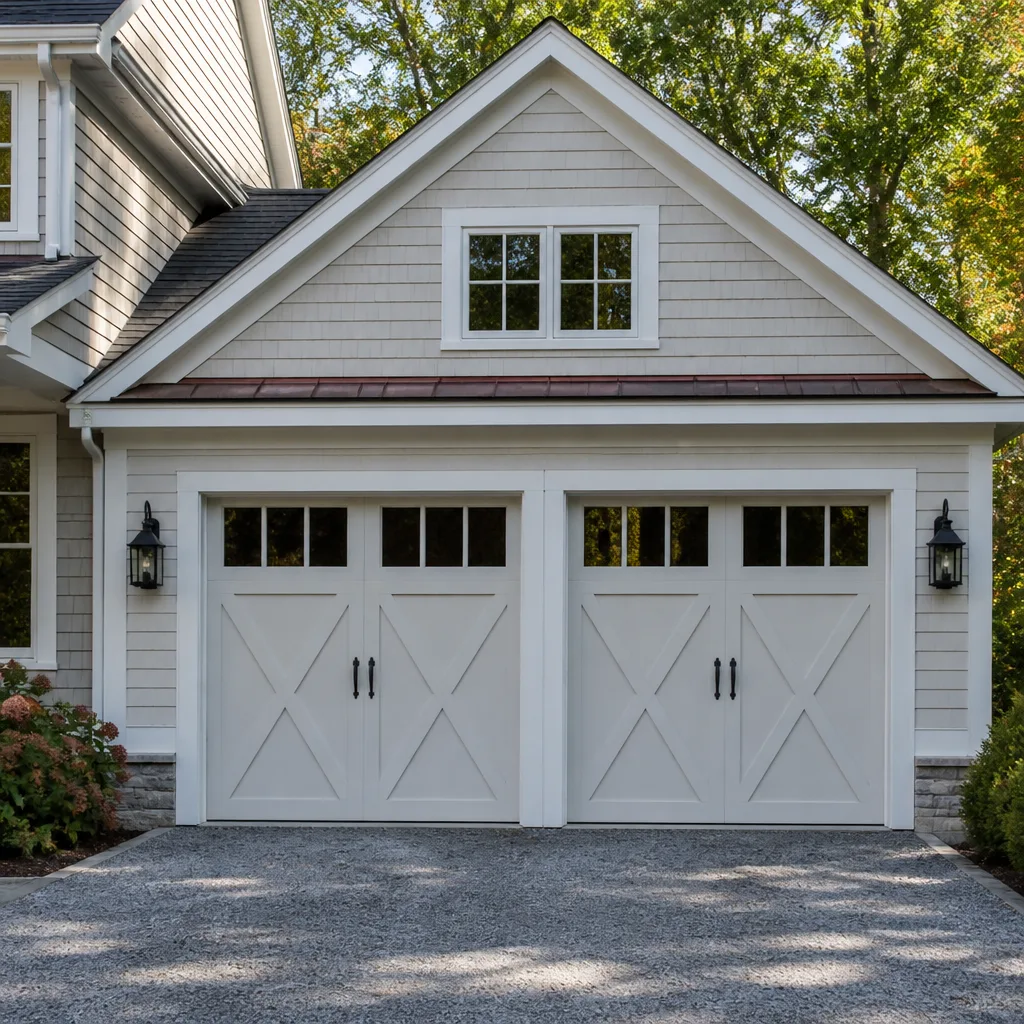 Carriage house
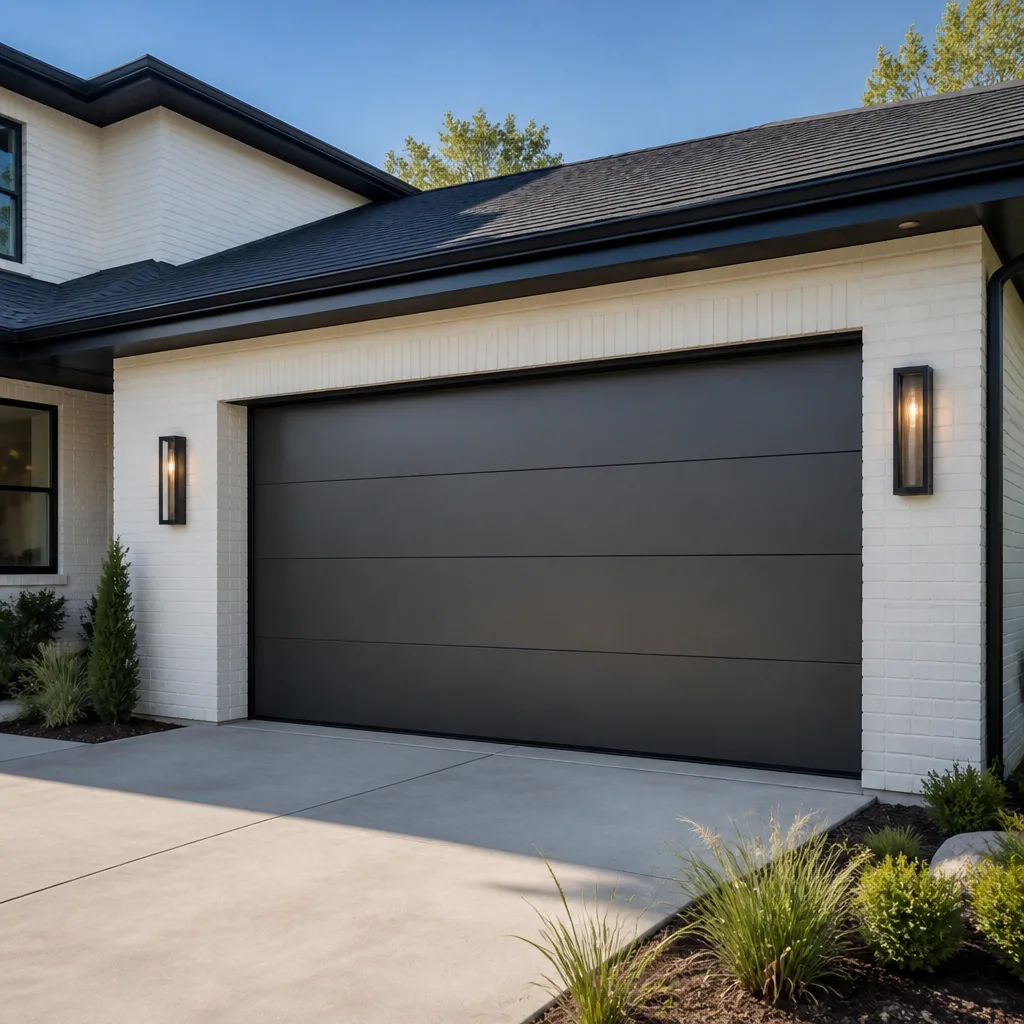 Modern flush
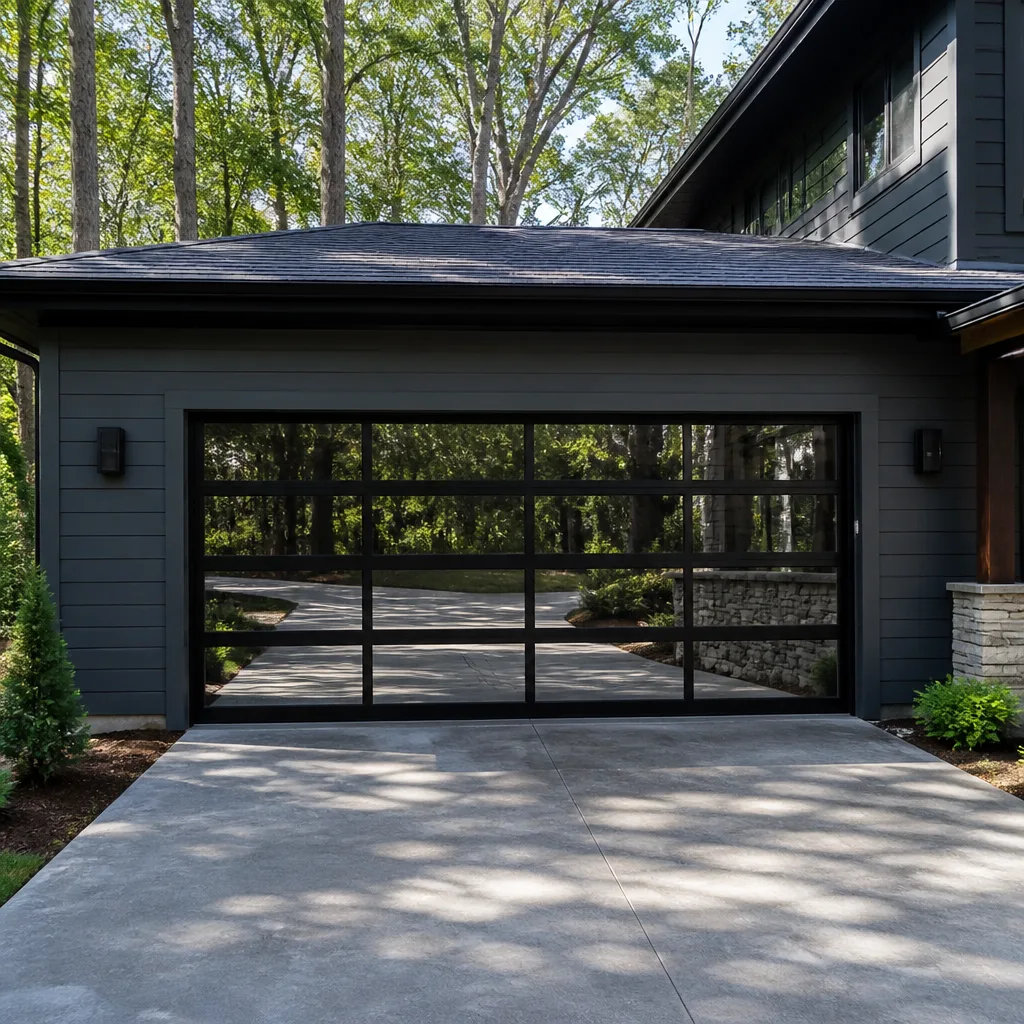 Full-view glass
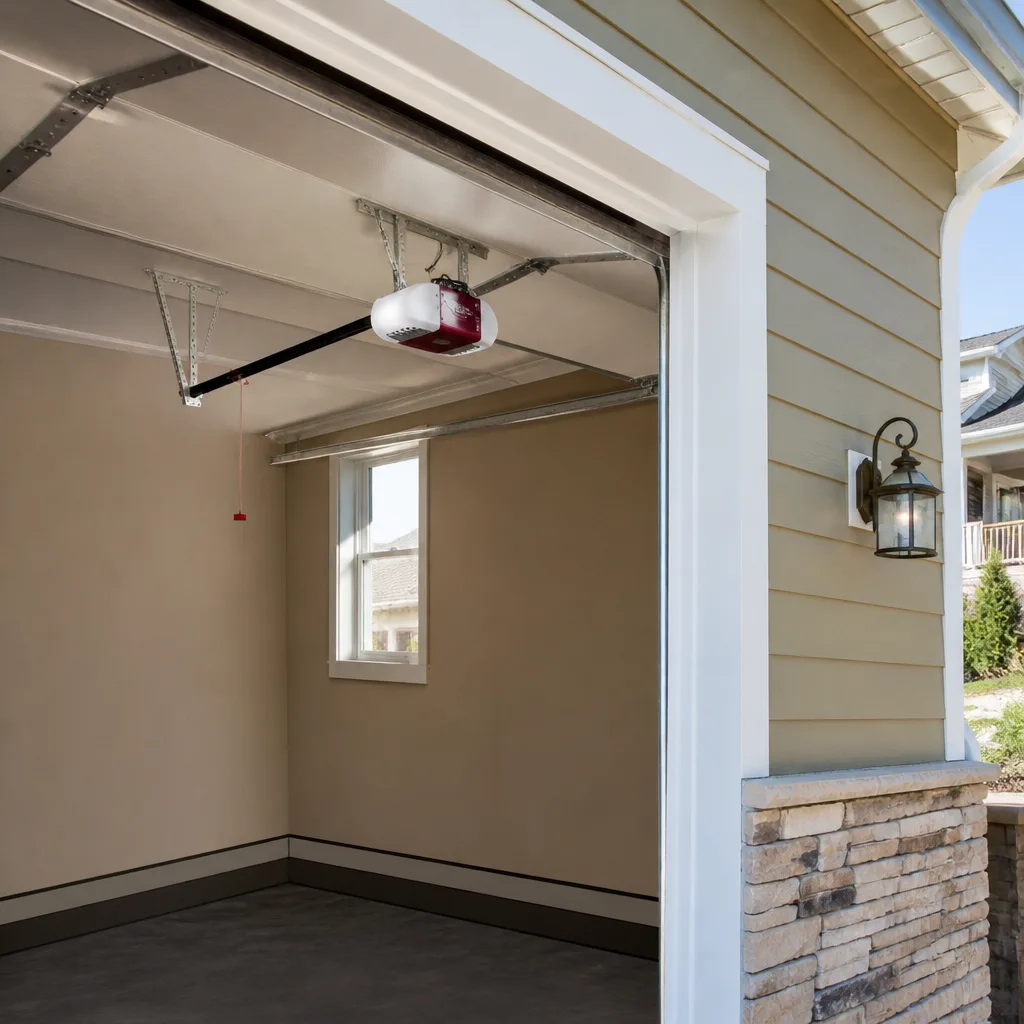 LiftMaster openers
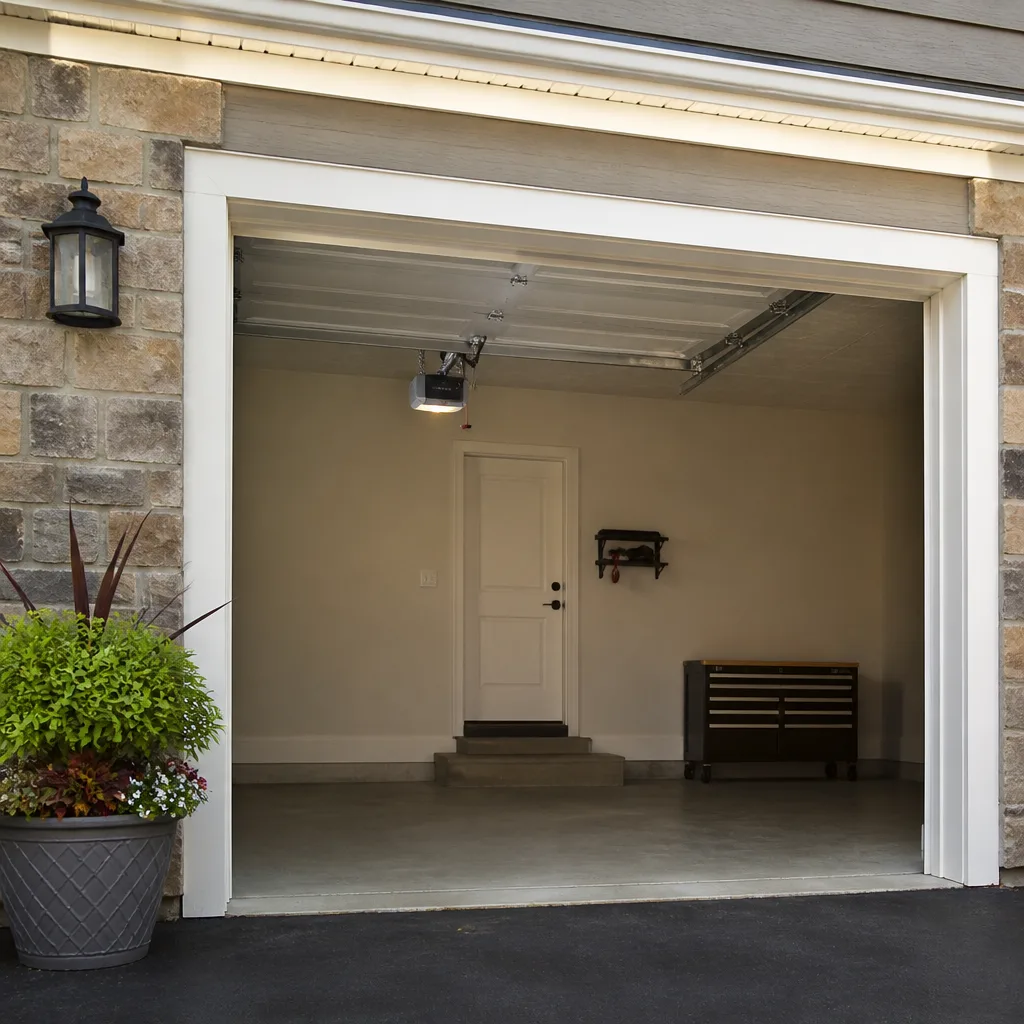 Chamberlain openers
Full 25-point door and opener safety check with every visit - springs, cables, rollers, tracks, and your LiftMaster or Chamberlain opener included
You get a price before we start. It does not change when the pro arrives.
Get your free estimateThe Complete Guide to Garage Doors in Arlington Heights
The garage door is the largest moving part of most Arlington Heights homes, and it’s the entry point people use more often than the front door. Yet most homeowners can’t name a single component until something breaks at 7 a.m. in January and the car is trapped inside. That gap between daily dependence and near-total ignorance of how the thing works is where expensive mistakes get made: the wrong spring ordered, the wrong panel color approved, the wrong opener forced onto a door it was never built to lift. This guide closes that gap. You’ll learn the parts by name, how an Arlington Heights winter treats them, how local HOA rules shape what you’re allowed to install, and when a repair is the honest answer versus when replacement is.
Quick Answer
A garage door in Arlington Heights is a mechanical system of springs, cables, drums, tracks, rollers and an opener, and it needs service on a schedule set by freeze-thaw cycles rather than by national averages. Most doors here last 15 to 25 years with proper maintenance, but bottom seals, cables and torsion springs wear faster than generic advice suggests because of repeated freeze-thaw. Repair is usually the right call when the door structure and panels are sound; replacement makes more sense when panels are rusted through, the door is badly out of balance, or you’re upgrading insulation for an attached garage.
Styles & brands we work with
- Raised-panel steel
- Carriage house
- Modern flush
- Full-view glass
- LiftMaster openers
- Chamberlain openers
Table of Contents
- The Parts of Your Door, Named Plainly
- Why Attached Garages Change Everything
- HOA Rules in Scarsdale, Ivy Hill and Beyond
- How Illinois Freeze-Thaw Wears Your Door
- Repair or Replace? The Honest Test
- Choosing and Maintaining an Opener
- What Garage Door Work Costs in Arlington Heights
- A Seasonal Maintenance Routine That Works Here
The Parts of Your Door, Named Plainly
If you can describe the problem accurately on the phone, you get a faster diagnosis, a more accurate estimate, and fewer surprise parts on the invoice. Here’s the vocabulary, in plain terms.
- Torsion springs – the horizontal spring mounted on a shaft above the door. It stores the energy that counterbalances the door’s weight. This is the part that snaps, and it’s the most dangerous component on the whole system.
- Extension springs – the older style that runs alongside the tracks on each side. Common on older Arlington Heights ranch homes.
- Cables – steel lines running from the bottom corners up to the drums. They hold the door’s weight. A frayed cable is an immediate stop-use situation.
- Drums – the spool-shaped fittings at each end of the spring shaft that the cables wind onto.
- Tracks – the vertical and horizontal rails the rollers ride in. Dents here cause binding and noise.
- Rollers – the wheels that ride in the tracks. They wear flat and get noisy.
- Trolley – the carriage on the opener rail that pulls the door up and pushes it down.
- Bottom seal – the rubber or vinyl strip along the bottom edge. First line of defense against drafts, water and pests.
- Photo-eye sensors – the two small units at the door opening that reverse the door if something crosses the beam.
When you call, “the door goes up about a foot and stops with a bang” points a technician at springs or cables. “The motor runs but nothing moves” points at the trolley, the opener gear, or a broken spring. That difference matters. Our technicians have up to 13 years of experience and are trained across Raynor, LiftMaster, Chamberlain and Genie systems, so they usually know the hardware before they arrive.
Why Attached Garages Change Everything
Most Arlington Heights homes built in the postwar decades and the colonial infill that followed have attached garages. That single fact drives three decisions that detached-garage owners never have to make.
Sizing. An attached garage is usually built tight to the house footprint, so door openings are commonly 8, 9 or 16 feet wide with 7-foot headroom. Older ranch homes sometimes have a 7-foot-wide single opening. Measure your opening before you shop for anything, and measure the headroom above the door too. Low headroom limits which opener types will fit and how the springs can be mounted.
Insulation. An attached garage shares at least one wall with living space. An uninsulated steel door turns that wall into a cold radiator all winter. An insulated door with a thermal break keeps the garage more stable, which protects the door hardware from condensation and makes the room above or beside it more comfortable.
Opener placement. With living space overhead, opener noise travels. Belt-drive openers run quieter than chain-drive in this layout. The opener also needs a properly reinforced mounting point; a sagging ceiling bracket on a 1960s garage ceiling is a common cause of “the opener shakes the whole house.”
If you’re weighing an upgrade, a free measure and a written price tell you more than any online calculator. We handle everything from the spring to the smart opener, so a single visit can cover the door, the operator and the sensors together.
HOA Rules in Scarsdale, Ivy Hill and Beyond
Arlington Heights has active homeowner associations and subdivision covenants in neighborhoods like Scarsdale and Ivy Hill, and many of them govern what your garage door can look like from the street. The rules usually cover style, color, window inserts and visible hardware. They exist for curb appeal, and they apply whether you’re replacing a door or repainting one.
Getting approval before you buy saves you from owning a door you can’t install. Here’s the sequence that works:
- Request the current architectural guidelines from your HOA or management company in writing. Don’t rely on what a neighbor remembers.
- Photograph your existing door straight-on, plus a wider shot showing the house and the neighboring doors.
- Get manufacturer spec sheets and color samples for the door you want. Door makers publish these for exactly this purpose.
- Submit the request with the photos and specs, and ask for a decision in writing.
- Keep that written approval until the install is finished and inspected.
- Order the door only after approval is in hand.
In our experience, approval goes faster when the request is complete on the first pass. Ambiguous submissions come back with questions. If you’re unsure which style will clear your covenants, ask a specialist who installs in Arlington Heights regularly and has seen what gets approved in your subdivision. Ask your city’s building department about any permit the work requires.
How Illinois Freeze-Thaw Wears Your Door
Northern Illinois gets repeated freeze-thaw cycles through winter, and that pattern is harder on garage doors than a steady cold snap would be. Water seeps into seams and under the bottom seal, freezes, expands, then thaws. Repeat that a few dozen times a season and things that were tight stop being tight.
What actually wears first:
- Bottom seals. The rubber cracks and hardens, then water gets under the door. A failed seal also lets cold air pour into an attached garage, and that cold reaches the wall shared with the house.
- Cables. Moisture at the bottom corner fitting works at the cable and its anchor. A rusted or frayed cable is not a wait-and-see item.
- Torsion spring tension. Springs don’t care about weather, but the door’s balance does. When a seal stiffens or a track shifts with freeze heave, the door drags and the spring has to work harder than it was wound for. That shortens its life.
- Panel seams and paint. Water in a seam that freezes can lift paint and start rust on a steel door. Once rust starts at the bottom edge, it travels.
- Track alignment. Ground heave near the slab can push a vertical track slightly out of plumb. A door that used to run quietly starts rubbing.
This is why a fall inspection matters here in Arlington Heights more than generic maintenance calendars suggest. Checking the seal, the cables and the door balance before the first hard freeze costs far less than dealing with a snapped cable in January. If a spring does let go, that’s a call for professional garage door spring repair, not a weekend project. Torsion springs are under extreme tension, and the tools and winding bars needed are not homeowner equipment. Getting it wrong causes serious injury.
Repair or Replace? The Honest Test
Homeowners ask this constantly, and the honest answer comes down to structure, not age. A 20-year-old door with sound panels, straight tracks and a working spring is a repair candidate. An 11-year-old door with rust bubbling along the bottom panel, a cracked section and a bent track is not.
Work through these questions in order:
- Are the panels structurally sound? Rust-through, cracks, or a section that’s been backed into and creased are replacement signals. A single dented panel on an available model can usually be swapped.
- Is the door balanced? Disconnect the opener and lift the door halfway by hand. If it won’t stay put, the spring system needs attention. If it’s still out of balance after proper adjustment, the door itself may be warped.
- Are the tracks straight and plumb? Minor bends can be corrected. Tracks that have been hit hard enough to distort the door’s path usually mean the whole assembly needs evaluation.
- Does the opener match the door’s weight? A tired opener on a heavy insulated door is a mismatch that burns out motors. Sometimes the door is fine and the opener is the honest replacement.
- How many repairs are stacking up? One spring replacement is routine. A spring, two cables, a bent track and three rollers in one visit is a decision point, and a good technician will say so plainly rather than nickel-and-diming a failing door.
For a full replacement, expect a measure first, then a written price, then an order. New doors are built to your opening, so that work is scheduled rather than immediate. For anything on the repair side, from the opener to the door itself, see our garage door repair service.
Choosing and Maintaining an Opener
The opener is the part homeowners understand least and replace most often, usually because a twenty-year-old unit has finally quit. The right choice depends on your door’s weight and your garage’s layout, not on the loudest feature list.
- Drive type. Belt drive is quiet and suits attached garages with bedrooms above. Chain drive is durable and costs less. Screw drive is less common and works best on light doors with clean tracks.
- Horsepower. Match it to door weight and size. A single 7-foot door and a double 16-foot insulated door need different units. Overpowering a light door isn’t an upgrade; it strains the hardware.
- Safety features. Photo-eye sensors and a pressure-reversal setting are required on any opener sold in the US. Test both monthly.
- Smart features. App control and battery backup are useful, especially if you want to check the door from the office. Brands like LiftMaster and Chamberlain have made these standard on many models.
- Parts availability. A known brand means parts are available when something fails in year eight. That’s why we work on the major names specifically rather than guessing at oddball systems.
Maintenance is simple. Test the reversal monthly by placing a piece of wood flat under the door and closing it; it should reverse on contact. Wipe the photo eyes and check their alignment. Listen for changes. A new grinding or clicking sound is the opener telling you something is loosening, and addressing it early is cheaper than replacing the unit. If the operator is the problem, our garage door opener repair team diagnoses it rather than resetting it and hoping.
What Garage Door Work Costs in Arlington Heights
Prices below are typical ranges for the Arlington Heights market. Every job gets a written estimate, and that estimate sets the final price before any work begins. Nobody should hand you a number after the work is done.
| Work | Typical Estimated Range |
|---|---|
| Torsion spring replacement (one spring) | $180 to $340 |
| Matched spring pair (both springs replaced together) | $360 to $680 |
| Cable replacement (per side) | $120 to $220 |
| Bottom seal replacement | $90 to $180 |
| Roller replacement (whole door) | $120 to $250 |
| Panel replacement (single section) | $250 to $600 |
| Opener replacement, installed | $320 to $650 |
| New single-car door, installed | $900 to $2,200 |
| New double-car door, installed | $1,400 to $3,500 |
A pair of springs is almost always replaced together, since both have cycled the same number of times and the second is likely close behind the first. That’s why a pair costs roughly twice a single spring. When two cars are parked in the garage, doing the pair in one visit beats doing the job twice.
Timing matters for cost. A door that’s maintained is a door that fails less. A door that’s ignored tends to fail at the worst moment. Call garage door spring repair when a spring snaps rather than waiting. For a broader look at the company, see Arlington Heights Garage Door Repair Co.
A Seasonal Maintenance Routine That Works Here
A garage door rewards thirty minutes twice a year. Do this in October before the freezes and again in April after the thaw.
- Look at the springs. Check for a visible gap in the coil or a stretched section. Don’t touch a torsion spring to test it.
- Inspect the cables. Run a gloved hand along each cable, looking for fraying, kinks or rust at the bottom corner. If a cable is frayed, stop and call a professional. Cables under load can fail without warning.
- Check the bottom seal. Lift the door slightly and look for cracks, tears or a seal that’s pulled loose. Replace a failing seal before winter, not after.
- Test the balance. Pull the emergency release, lift the door halfway and let go. It should stay in place. If it drops or rises, the springs need professional adjustment.
- Lubricate the moving parts. White lithium grease on the rollers and hinges, and a garage-door lubricant spray along the spring. Don’t use WD-40 on springs, since it leaves them dry.
- Wipe and align the photo eyes. Use a soft cloth and verify both lights are solid.
- Listen on a quiet morning. A change in sound is the earliest warning you’ll get.
Arlington Heights winters make the October pass the important one. A seal that’s already cracked in September will be leaking cold air by December, and a cable showing surface rust will be worse after the thaw. The same routine applies whether your door runs on a Raynor, a LiftMaster or a Genie system, though the exact lube points differ slightly by hardware.
Common Mistakes to Avoid
- Replacing one spring when both are the same age. The second one is likely a few hundred cycles from failing, so you’ll be paying for a second visit soon. Replace springs as a matched pair unless the second spring is clearly newer.
- Forcing a stuck door with the opener. If a door is stuck, the opener is not a pry bar. Running it repeatedly against a jammed door strips gears and can snap a cable under tension. Stop and call.
- Buying a door before HOA approval. In subdivisions like Scarsdale and Ivy Hill, an unapproved door can be ordered, delivered and then rejected by the covenant board. Get written approval first.
- Ignoring a cracked bottom seal through the fall. In an Arlington Heights freeze-thaw winter, water gets under a failed seal, freezes and starts working on the door’s bottom section and the cables.
- Choosing an opener by horsepower alone. Overpowering a light door on worn tracks accelerates wear on the rollers and hinges. Match the opener to the door.
- Trying spring work yourself. Torsion springs store enough energy to break bones. Without winding bars and training, the risk is serious injury.
- Skipping the balance test. A door that’s out of balance strains the opener, wears parts faster, and is a safety hazard for anyone underneath it.
See the difference
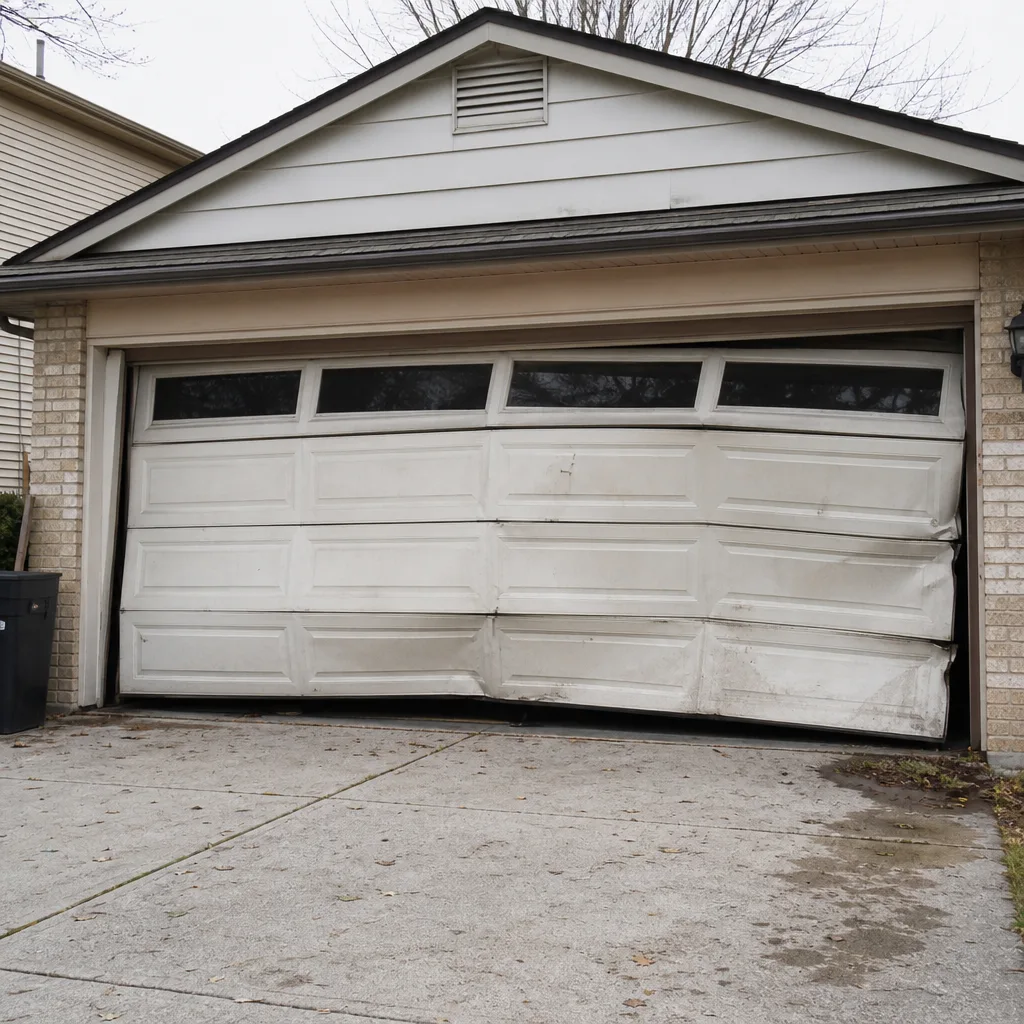 Before
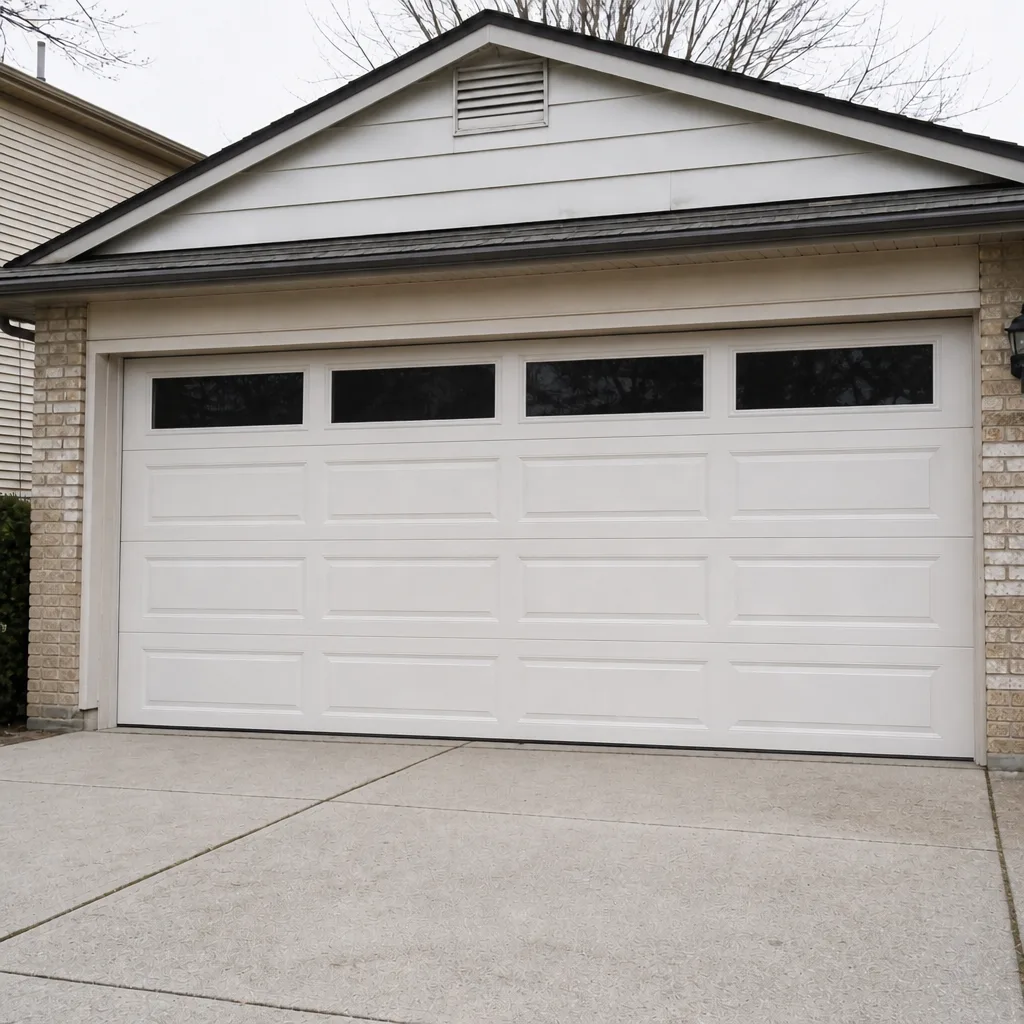 After
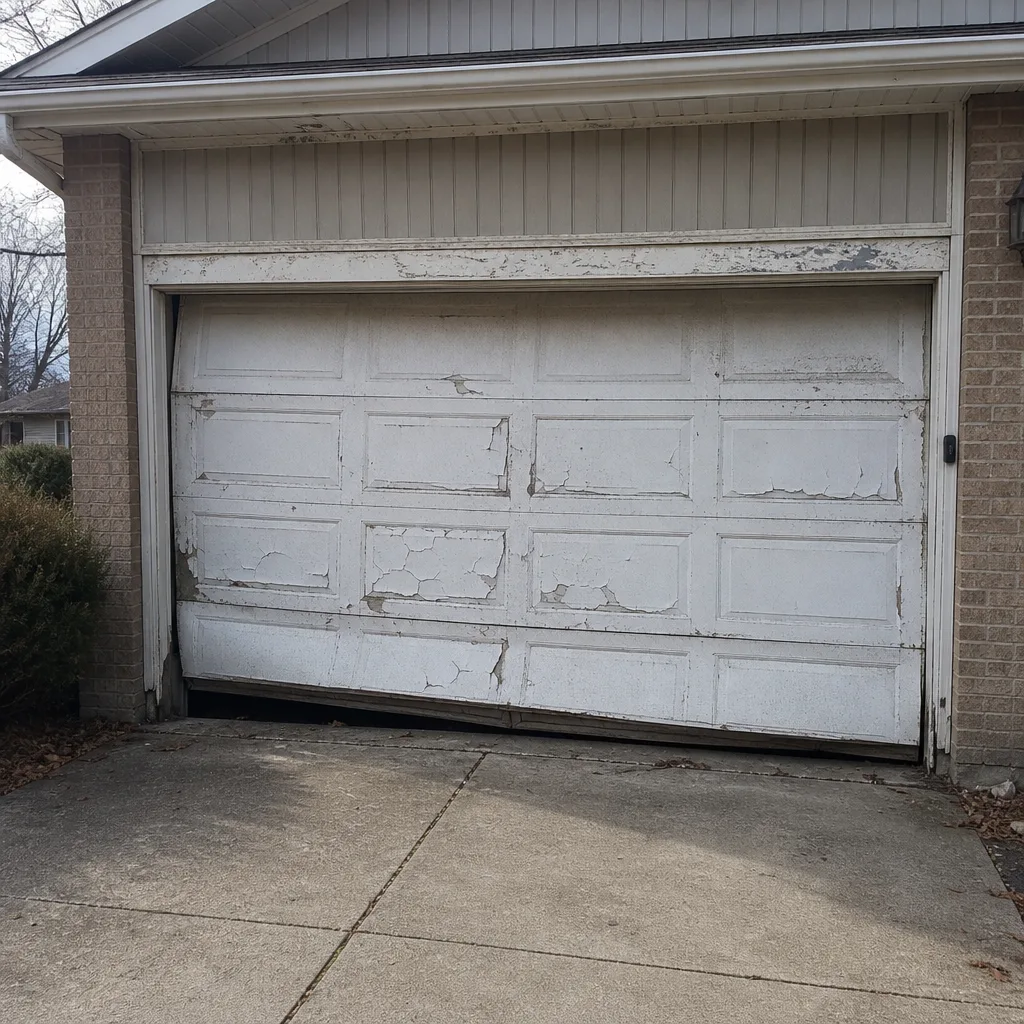 Before
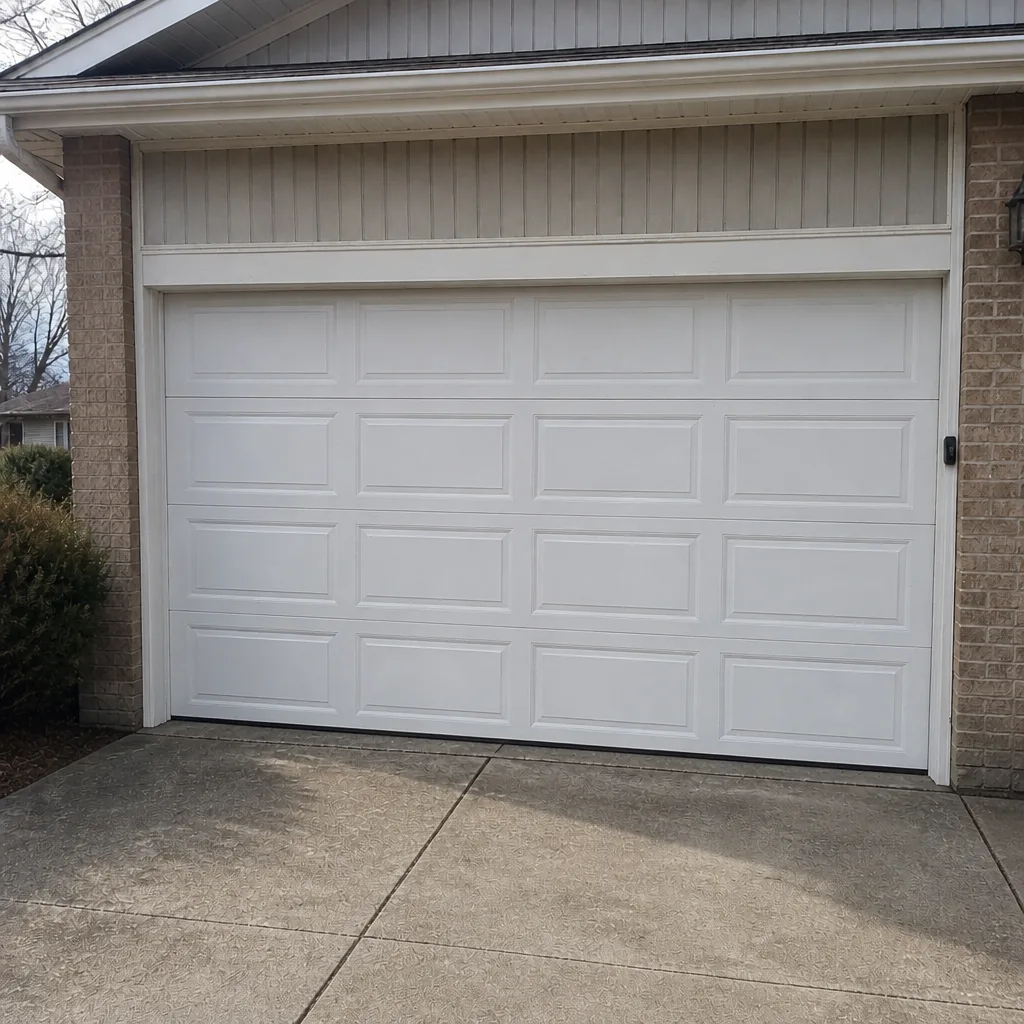 After
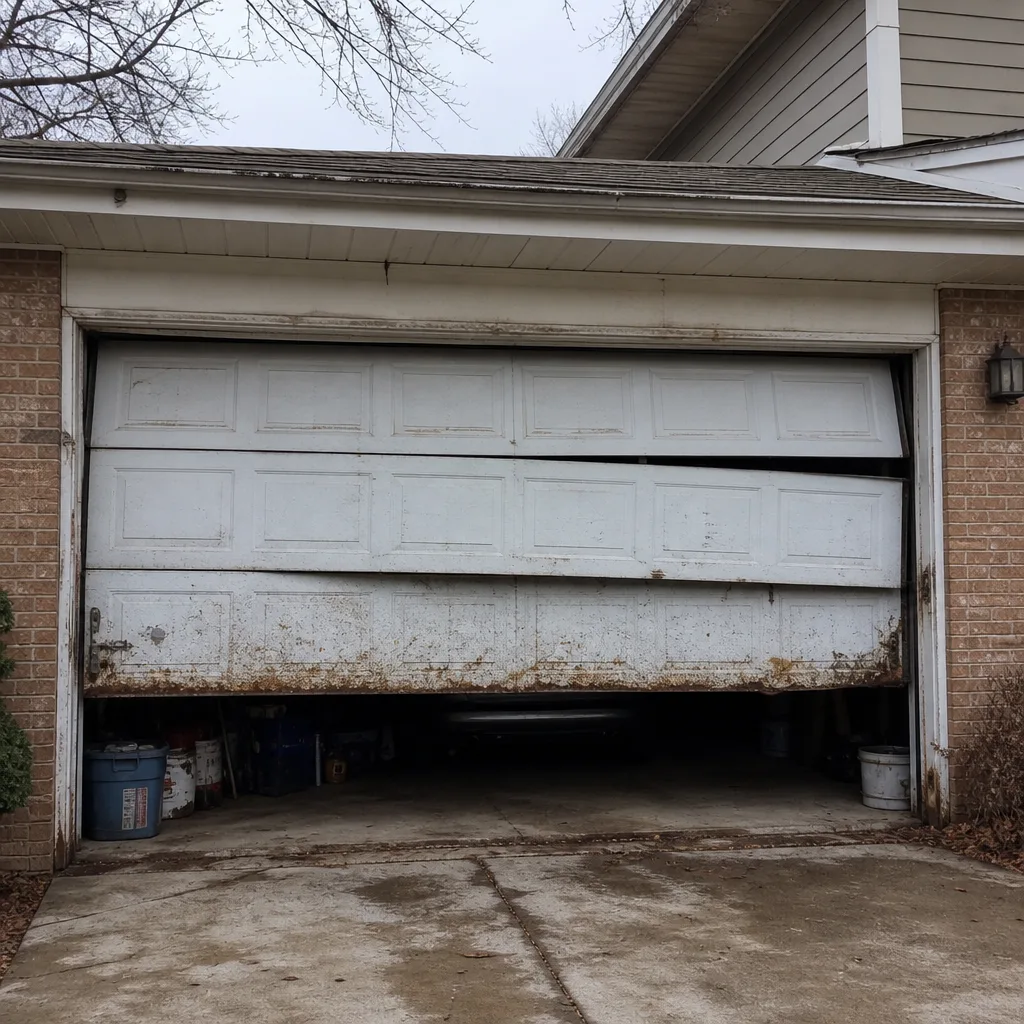 Before
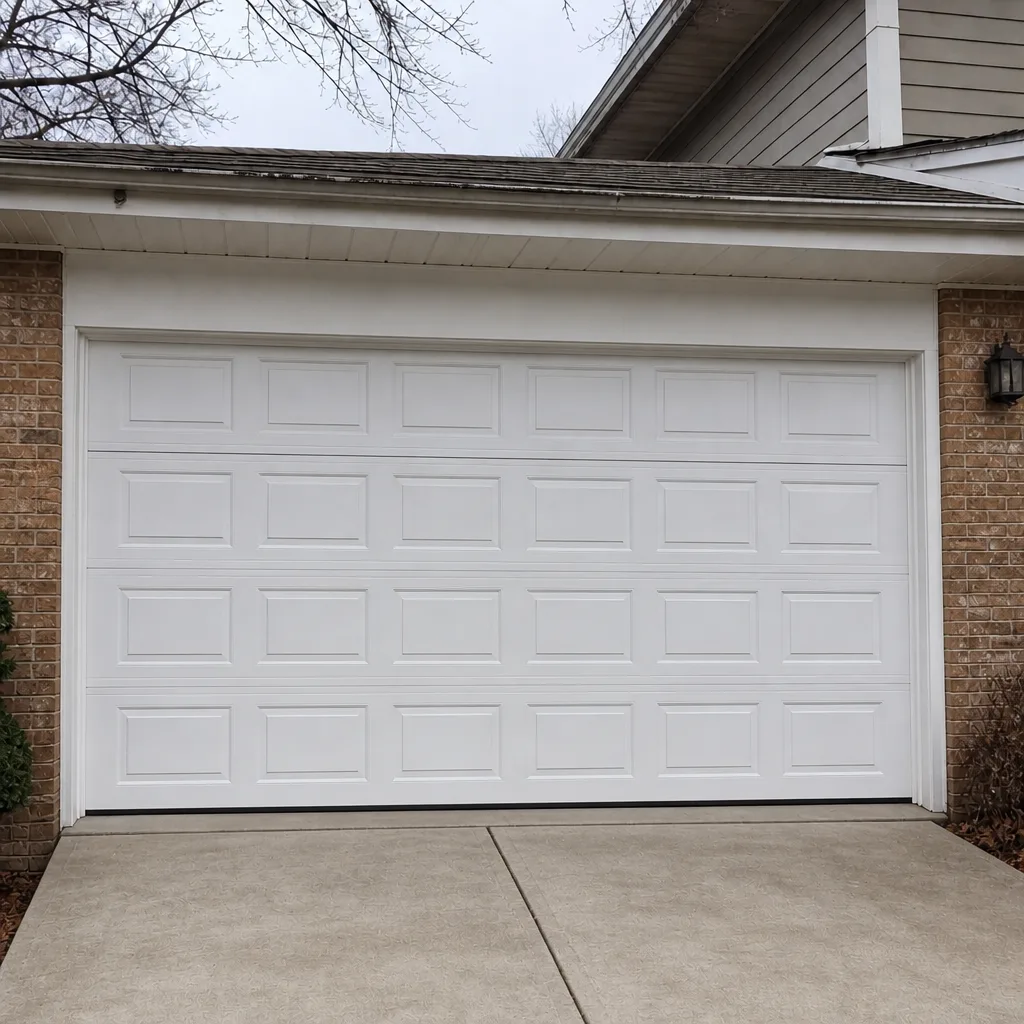 After
When to Call a Professional
Call a professional when you hear a loud bang from the garage and the door won’t open, when the door hangs unevenly at one corner, or when a cable is visibly frayed or kinked. Call when the opener runs but the door doesn’t move, when the door reverses for no reason, or when it slams shut instead of lowering smoothly. Call when you need a new door measured, ordered and installed, or when HOA approval is involved and you want a straight answer about what’s likely to clear. And call when a spring is broken. Torsion spring work is not a homeowner repair. Our Arlington Heights Garage Door Repair Co offers free estimates in Arlington Heights. Call (877) 792-5722. We answer 24/7. Fast dispatch from 7am to 7pm, Sunday through Friday.
Frequently Asked Questions
A torsion spring replacement typically runs $180 to $340 for one spring in the Arlington Heights market, and a matched pair is roughly twice that. The price you agree to in the written estimate before work starts is the price you pay. Call (877) 792-5722 for an exact quote; estimates are free.
Yes, same-day service is available for repair calls, including spring failures and doors stuck open or shut. We answer 24/7, and a call outside dispatch hours is booked into the next opening, Sunday through Friday, 7am to 7pm. Call (877) 792-5722.
No. The written estimate sets the final price before any work begins. If the technician finds an additional problem the estimate didn’t cover, you get a new written price and approve it before that work starts. Call (877) 792-5722 for a free estimate.
Yes, the local pro is licensed and insured as their state requires. Technicians are trained on the major brands, and our team has up to 13 years of experience. We work on the brand you actually own rather than guessing at parts. Call (877) 792-5722 to schedule.
A properly maintained door here typically lasts 15 to 25 years, with springs and cables needing replacement sooner. Illinois freeze-thaw cycles wear seals and cables faster than milder climates, so an October inspection before the first hard freeze is worth doing every year. The door itself usually outlasts its springs and its opener.
Often yes. Many Arlington Heights subdivisions, including Scarsdale and Ivy Hill, have covenant rules on door style, color and windows. Get the current guidelines and written approval before you order. Then ask your city’s building department about any permit the work requires.
The Bottom Line
Treat your garage door as a mechanical system, not a product, and most decisions get simpler. Learn the parts by name so you can describe what’s wrong. Check the bottom seal and cables before the first freeze and again after the thaw, and test the balance every season. Get HOA approval in writing before you order a new door, and match the opener to the door you actually have. Repair when the panels and tracks are sound. Replace when the structure has gone. And leave spring work to trained technicians, because that’s where the real risk lives. Understanding your door is what separates a sensible decision from an expensive one.
Call (877) 792-5722 for a free estimate. We answer 24/7. Fast dispatch from 7am to 7pm, Sunday through Friday.
Written by the team at Arlington Heights Garage Door Repair Co.